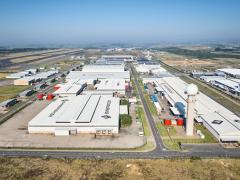
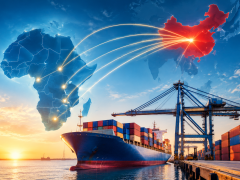
Either economists have to recalibrate their crystal balls, or the Namibian government has been pursuing the wrong growth strategy for more than a decade. Logistics, driven by the vision to become the preferred gateway for the land-linked neighbouring South African Development Community (SADC) countries (which include Gauteng – a mini state on its own), is seen by government as the country’s unique selling point. With a population of just on 2.5 million (around a sixth of Gauteng’s 14.7 million), Namibia does not have a large enough local market to support conventional consumptiondriven economic growth. That is why the Namibian government is spending billions on upgrading port infrastructure, as well as the landside road and rail links to the hinterland. Value-added logistics in Walvis Bay, Windhoek, Grootfontein and at the main border crossings into Angola, Zambia and Botswana is seen as the best way to create non-agricultural and tourism private sector jobs.
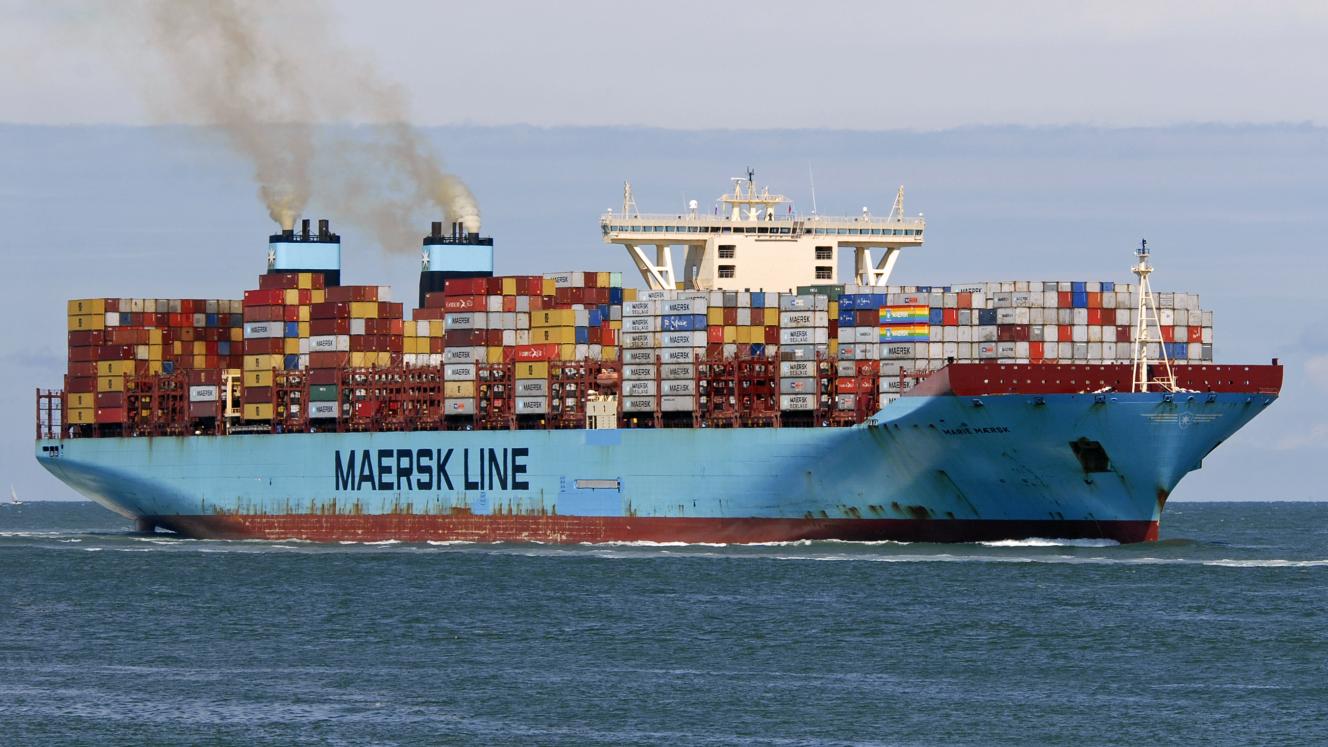
Most economic forecasters, however, seem to have a logistics blind spot. None of the forecasts accessed by FTW deal in any depth with the impact of the opening of the new Walvis Bay container terminal later this year. This writer has seen firsthand the benefits of investment in port infrastructure. Both the ports of Beira and Maputo are unrecognisable from 10 years ago following dredging and ongoing upgrading of port infrastructure – as well as landside links. Ngqura’s underwhelming performance can largely be attributed to the absence of a cost-effective rail link to the hinterland, among other factors which have little to do with the physical attributes of the port and its geographic position. Namibia’s symbiotic relationship with its land-linked neighbours is demonstrated by two consecutive years of economic contraction – a reflection of what lower commodity prices have done to the economies of Zambia and the Democratic Republic of Congo. Official Namibian National Accounts figures show that the economy contracted by 0.1% in
2018 following a contraction of 0.9% in 2017. Growth slowed in 2018 due to a combination of drought and a slowdown in the manufacturing and construction sectors. The knock-on effect has been felt by the logistics and transport industries, in addition to the retail and hospitality sectors. Government spending has been cut back in order to keep the deficit under control according to the African Development Bank (AfDB). Gazing into its “tailwinds and headwinds” crystal ball, the AfDB describes the mediumterm economic outlook as “mixed”. Aggregate demand is expected to recover steadily as private activity picks up and new infrastructure projects are implemented as part of the stimulus package. Growth will also be boosted by increased capacity utilisation in a new uranium mine as well as improved business confidence as reforms are accelerated. But growth could remain weak if growth in key trading partners, notably South Africa and Angola, continues to be slow or if international prices of Namibia’s commodity exports fall, it says. There is no mention of Zambia and the Democratic Republic of Congo, which are the two main target markets for Namibia’s logistics-driven economic strategy. The Bank of Namibia is more upbeat, and predicts that the Namibian economy will “recover gradually to grow by 0.3% and 1.9% in 2019 and 2020, respectively. The bank expects the 2019 recovery to be supported mainly by improvements in the construction and hotels and restaurants sectors. Risks include drought and erratic rainfall, low uranium prices and China/US trade tensions – again no mention of neighbouring economies or the logistics sector.
Namibian economic crystal ball gazers need to factor in logistics
Comments | 0
© Now Media. This content is protected by copyright and may not be adapted or republished. If you would like to discuss cooperation opportunities, please contact: editor@freightnews.co.za.