Serious questions were
raised around the negative
impact of globalisation at
the recent G20 forum held
in Shanghai last week where
the overarching theme of
‘inclusive growth’ dominated
discussions.
“The globalisation of
culture means that brands get
to the rest of the world very
quickly – and it’s also meant
that financial markets have
been globalised.
“But on the other side
of the coin, looking at
issues like trade, it appears
that there are more losers
than winners,” finance
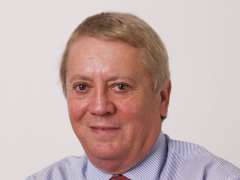
minister Pravin Gordhan
told delegates at a JCCI/
EY business breakfast in
Johannesburg last week.
“And while the winners keep
looking after themselves, the
losers are pretty much left on
their own.”
According to Gordhan,
there is a very significant
paradigm shift in the world
that has taken place in the
last couple of months towards
inclusive growth – and it’s
gaining momentum.
“Today it’s common
currency. What it means is
that GDP numbers per se
are no longer good enough
for the population. It may be
alright for economic analysts,
for those looking for macroeconomic
direction and
stability, but the key question
is if you have a population –
as in our case of 55 million
people – who
benefits from
this GDP
growth? Are
all of them
connected
in the right
kind of way
to economic
developments
in their
societies
and in their
countries?
“The kind
of reflections taking place
across the globe – particularly
in Europe post Brexit –
are why did Brexit go the
way it did. What were the
levels of disenchantment in
those societies – both those
immediately affected like
the UK or the ones indirectly
affected it Europe?
“Much of the analysis
has been about alienation
between elites and the
majority of citizens and
that alienation is finding
expression through voting or
other voices.
“We must understand
what institutions we need to
create or change in order to
optimise inclusivity – and a
different mindset needs to
be adopted in
South Africa.
“Our
society, which
is based on our
constitution
and the values
that Nelson
Mandela left
us, needs to
search for the
inclusivity that
everyone is
talking about
to ensure
that we don’t leave behind
the majority, economically
speaking.”
In Gordhan’s view, a
big part of that inclusive
growth is the promotion
of trade and investment
openness.
“The world is moving
in a protectionist
direction at the
moment in reaction
to the perception
of who benefits
from globalisation and who
doesn’t. Protectionism in
some instances is useful
and in others can be quite
destructive because if you
don’t want to buy my goods
why should I buy yours.”
The recent Agoa
negotiations – where South
Africa was forced to back
down on the import of
poultry from the US – is a
case in point. And it’s an
issue at the heart of a recent
World Trade Organisation
(WTO) report.
The WTO has
repeatedly called
on its members
to avoid putting
up barriers
and “to get
trade
moving
again” in
order to
address
slow global
economic growth.
The director-general’s
mid-year report on traderelated
developments shows
that 22 new trade-restrictive
measures were initiated by
WTO members per month
during the mid-October
2015 to mid-May 2016
period, a significant increase
compared to the previous
review period, which
recorded an average of 15
measures per month, and is
the highest monthly average
since 2011.
Getting the balance
right between
openness and
managing the
protection
of our own
businesses
is one of the
critical tasks
that lie ahead.
INSERT & CAPTION
There is a very
significant paradigm
shift in the world
towards inclusive
growth.
– Pravin Gordhan
More losers than winners in new globalised culture?
Comments | 0
© Now Media. This content is protected by copyright and may not be adapted or republished. If you would like to discuss cooperation opportunities, please contact: editor@freightnews.co.za.