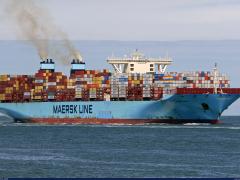
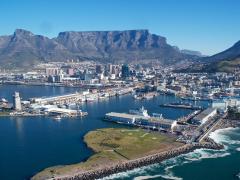
Government monopolies, red tape and technology and infrastructure deficits are stif ling growth and development at southern Africa’s ports, according to industry sources. “Having to deal with any government monopoly – no matter where in the world – is always a daunting task as high levels of bureaucracy coupled with the lack of direct accountability make productivity improvement an almost impossible task,” said Peter Besnard, CEO of the South African Association of Ship Operators and Agents (Saasoa). He told FTW that the general consensus amongst Transnet customers was that productivity would lag indefinitely and that SA ports would never achieve world-class levels as there was no competition and therefore no incentive to raise service levels. A shipping coordinator for African ports in Cape Town said on condition of anonymity: “In most African ports, the logistics operations are uniquely geared to working around constraints that do not exist in ports in developed countries.” She said other ports around the world — in Asia, Europe, America — had automated systems, developed infrastructure, government support and trade agreements that were upheld.” She added that while there had been major improvements at some regional ports in recent years, there was still a huge impact on the total cost of operating a network of vessels at almost any port on the continent. A logistics operator in Durban told FTW that he was often frustrated at the “shocking lack of literacy” by port officials. “Transnet Ports Authority (TNPA) invoices are full of errors and HAZ applications are a slow and very painful process,” he commented. He said there was also so much red tape at the region’s ports due to innumerable regulations and restrictions that added to the cost of doing business. Besnard’s solution is simple: in any organisation there has to be sound leadership in order to make things happen. “We need people who lead from the front and are not afraid to roll up their sleeves, no matter what their position is, and involve themselves with their staff when the going gets tough.” Instead, he said, meeting after meeting prevents this as managers are deprived of adopting the kind of hands-on approach necessary. “When staff vacate the premises and abscond without permission there is a serious discipline problem that is sure to affect any productivity-driven organisation,” he said. Furthermore, berthing delays, congestion at the gates and a serious lack of stacking speeds at SA’s ports need to be addressed. “Vessels idle at anchorage do not generate money,” said Besnard. INSERT & CAPTION Having to deal with any government monopoly — no matter where in the world — is always a daunting task. – Peter Besnard CAPTION The Port of Durban... does no competition mean no incentive to raise service levels?
Monopoly will ensure ports continue to under-achieve
Comments | 0
© Now Media. This content is protected by copyright and may not be adapted or republished. If you would like to discuss cooperation opportunities, please contact: editor@freightnews.co.za.