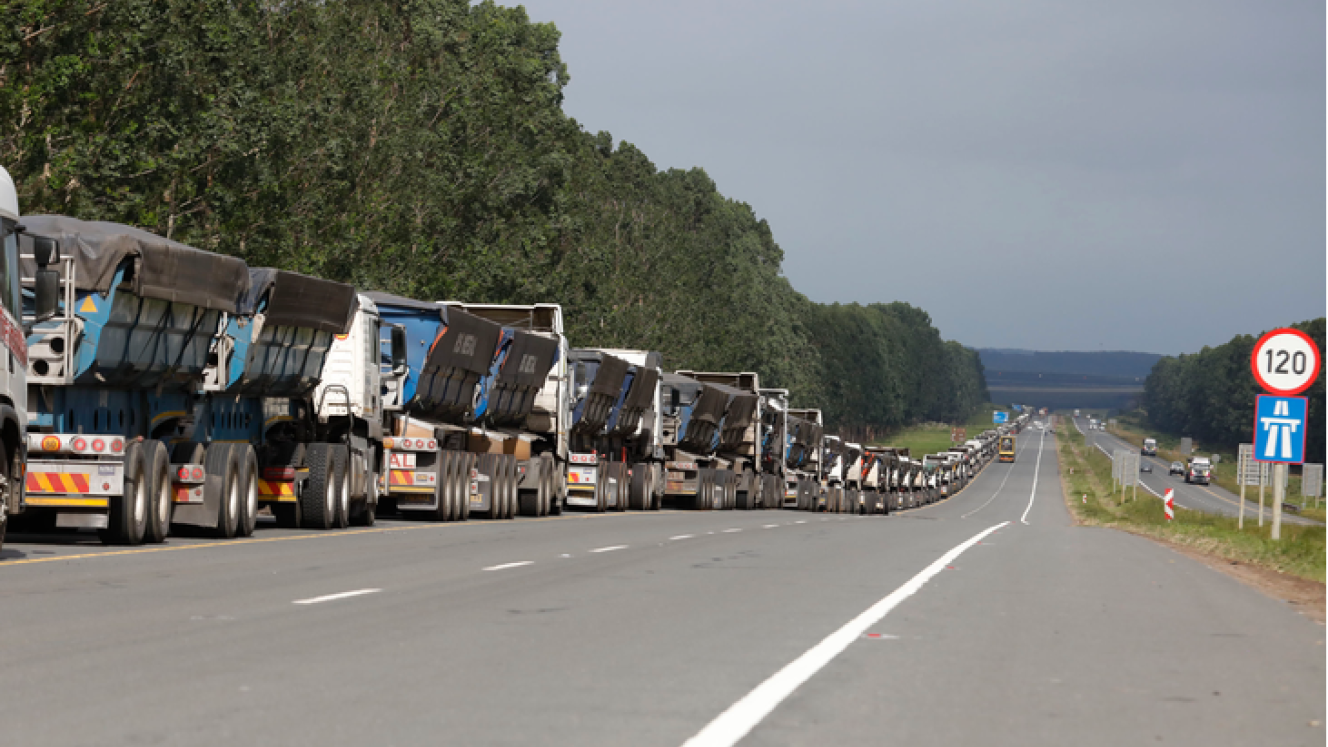
Logistics operators are frustrated at a seeming lack of progress from Transnet Freight Rail (TFR) since it implemented the widely touted market demand strategy in 2012 as a move towards operational efficiency. “We can see economic and political recognition of the modal shift and have noted Transnet’s major investments and long-term plan framework but we eagerly await results and feedback on where we are with regard to a significant modal shift,” said Andre Botha, chairman of the Southern Africa Shippers Transport and Logistics Council (Sastalc), speaking during a panel discussion at this month’s Special Interest Group (SIG) Transport Forum in Johannesburg. Kate Stubbs, marketing executive for Barloworld Logistics, added that the company was under pressure from customers to provide an efficient rail solution while Paul Nordengen, research group leader of asset management systems for the Council for Scientific and Industrial Research (CSIR), added that the challenge was not simply for a modal shift but for TFR to retain the current customer base that was using rail as an option. “The reality is that consignors want to move their freight back to road as they are frustrated by the lack of operational efficiencies and ongoing challenges,” he said. Elvin Harris, executive manager strategic knowledge at TFR, believes the recent upswing in rail’s share has occurred more rapidly than anticipated. “The modal shift objectives of increasing bulk exports of coal and iron ore; recapturing both export and domestic bulk markets for other ores; and making first attempts to increase the highvalue and corridor market shares are beginning to bear fruit. The modal shift strategy of increased rail investment and improved service levels should receive further support,” he said. According to Harris, TFR has already moved 225 million tonnes of cargo this year, compared to the just over 220 million tonnes recorded for 2014. He also highlighted a 25-55% improvement on the cycle times of locomotives and wagons on certain key coal and mineral corridors since the start of the MDS. He acknowledged that the progress was slow – “it’s like eating a whale, the only way to do it is with small bites and to chew slowly” – as it was a “big ship to turn around” but he added that a lot of progress had been made. “Yes, we are moving slowly, but we are moving in the right direction and are 100% happy with how things are going.” INSERT & CAPTION We still have a long way to go but we are moving in the right direction. – Elvin Harris
Modal shift – ‘slow but steady’
Comments | 0
© Now Media. This content is protected by copyright and may not be adapted or republished. If you would like to discuss cooperation opportunities, please contact: editor@freightnews.co.za.