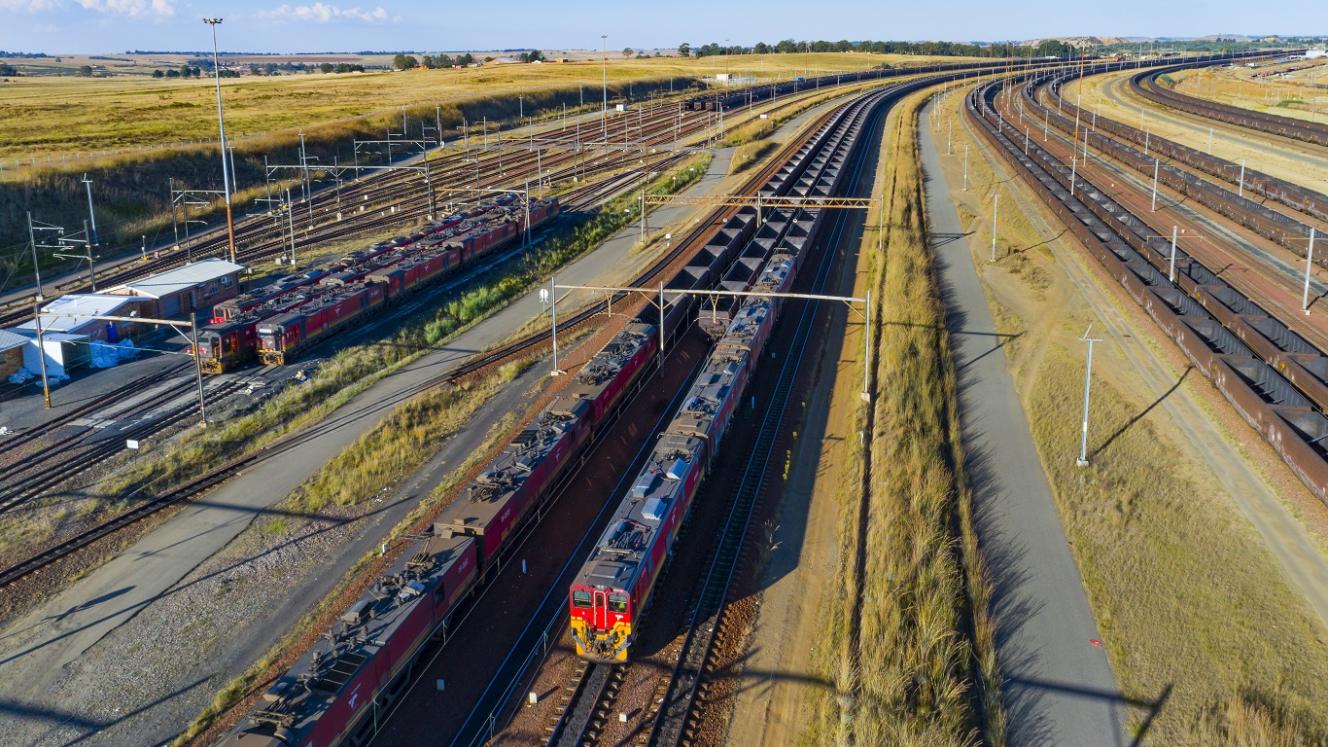
Mobile phones have called up new approaches to logistics that are creating opportunities for small and large businesses around the world, according to the World Bank’s ‘Information and Communications for Development 2012: Maximizing Mobile’ report. It found that the number of mobile subscriptions had risen from a billion in 2000 to over six billion, of which nearly five billion were in developing countries. With multiple subscriptions, the total could “soon exceed that of the human population,” says the report. It uses agriculture as an example of how mobile communication has impacted logistics. “Studies show that so far traders are using their websites to relay information on transport and logistics. Some of these services, however, could also be provided on a mobile phone,” it says. “Transporting produce requires co-ordination between producers, truckers, and, at times, warehouse owners and aggregate traders. Co-ordinating transportation is also key to larger traders who aggregate produce for sale in urban areas or for export.” A Mobi site is being used by the Zambia National Farmers’ Union, which has introduced an electronic transport system that allows registered transporters to publicise the arrival and delivery times of loads or cargo. It is used by producers to provide the size of their load and where it is located for pickup; by transporters to inform producers that they have space on a vehicle; and for direct contact between producer and transporter through an on-line directory of hauliers. In Morocco, a similar service uses voice and SMS rather than the Internet for farmers and truckers to co-ordinate their operations. Some farmers have become traders, bringing products back from the market to sell in their own rural communities. Taking logistics principles further is Pride Africa’s DrumNet project, an integrated platform that provides producers, traders and financial service providers with an end-toend solution for procuring inputs, linking to buyers, and finalising credit and payments. Starting with fastgrowing horticulture and oilseed industries in Kenya, DrumNet ran a series of pilots that delivered services to agrobuyers, banks, farm input retailers and farmers. The pilots were implemented in five different Kenyan provinces and involved over 4000 small-scale farmers. At harvest, DrumNet franchise representatives co-ordinate produce aggregation, grading, and transportation through agreements with local field agents and transporters. DrumNet tracks and facilitates the entire process through the use of complimentary manual and SMS applications. INSERT: ‘Mobi site provides direct contact between producer and transporter through an on-line directory of hauliers.’ CAPTION: Transport and logistics information could be provided on a mobile phone.
Mobile phones ramp up efficiency in perishable supply chain
Comments | 0
© Now Media. This content is protected by copyright and may not be adapted or republished. If you would like to discuss cooperation opportunities, please contact: editor@freightnews.co.za.