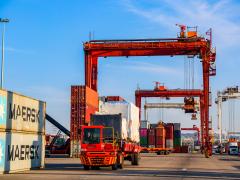
Since Customs is an enforcement agency tasked with ensuring that goods are duly entered into South Africa in compliance with the laws of the Republic, Customs officers are of necessity given wide powers of investigation and examination. Given the volumes of imports, delays in the release of goods are often unavoidable if Customs are to properly satisfy themselves that goods do not fall foul of our laws. One of the most common complaints from importers is that as a result they incur astronomical costs caused by Customs stops, inspections or detentions. The costs, for the most part, arise from storage costs and demurrage on containers that are consequently not turned in. Importers also face late delivery penalties under a contract or even cancellation of the contract. To add insult to injury, section 107 of the Customs & Excise Act provides that the importer bears all costs and risk associated with such Customs inspections and stops. Many an importer will have discovered that it is virtually impossible to compel Customs to release the goods. Put simply, our law favours Customs who are allowed a reasonable period of time to ensure compliance and to conduct any investigation. The question of what constitutes “a reasonable time” is hugely problematic and our courts are conservative and reluctant to cut Customs short on an investigation. The reality is that importers have to absorb the costs. That said, surprisingly few importers are aware of possible remedies, two of which are listed below. Make sure you provide Customs with all information required as soon as possible. Then, rather than fighting with Customs, an importer or his agent would do well to first approach the relevant team leader if an inspection or stop is taking an unreasonable period to finalise. Section 107(2) provides the Commissioner with the power to release goods against the provision of security until such time as he satisfies himself that such goods have been duly entered. The importer can, therefore, request Sars to allow goods to be moved under embargo to suitable premises where such goods can be stopped, examined or detained, against provision of the security required. This is known as an embargo release. Section 18(13)(b)(i) of the Act allows the Commissioner the discretion to allow a container to be unpacked, for amongst other things, the inspection of the goods. This would allow the importer to turn the container in avoiding at least those charges. SARS will no doubt not be prepared to agree to release goods under embargo or allow the container to be unpacked on every occasion. Our courts, however, will be far quicker to review a refusal by SARS to deal with cargo reasonably than to curtail an investigation. SARS must therefore act reasonably when considering a request aimed at avoiding unnecessary expenses, failing which the importer will have the right to review the decision. Make sure you aware of your rights under the Act and take advice before you run up huge expenses.
Mitigating costly Customs stops
Comments | 0
© Now Media. This content is protected by copyright and may not be adapted or republished. If you would like to discuss cooperation opportunities, please contact: editor@freightnews.co.za.