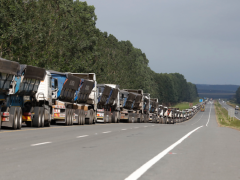
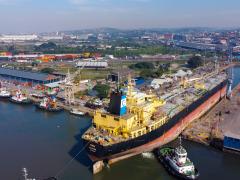
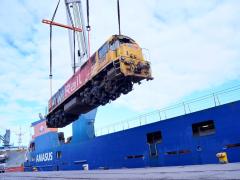
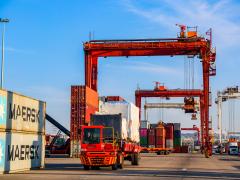
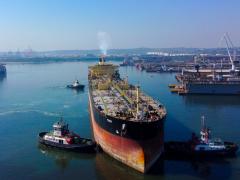
While the drop in commodity prices and the global recession impacted heavily on the mining industry last year with a number of projects shelved, things are clearly looking up, says Micor national projects manager Elise Stojanovic. “Exports and imports were down 30-40% and millions of dollars worth of projects were deferred, but it’s starting to brew again. We’re seeing a lot more enquiries and commodity prices are beginning to firm.” Micor offers a global door to door service, handling imports and exports. “We like to get involved when projects are still in the pre-feasibility stage as that’s the pivotal place to start,” says Stojanovic, whose background includes experience both in the mining and logistics industries. Her mandate is to build the company’s African footprint. “Of the 53 countries in the region we have 34 covered. From a worldwide and African network point of view we have grown considerably, with Agility being our worldwide partner. “In the past six months we have extended our network significantly, putting Micor back on the map as a project specialist.” The company’s main focus, apart from Africa, is the CIS. “We’re doing a project for Batemans in Russia as well as extensive work into the DRC, Guinea and Botswana. And despite the recession, the projects department has grown, says Stojanovic. “Micor and the Supergroup understand how the project industry works. “It’s not an influx of constant business – a project can take up to 24 months to come on line. We are fortunate that our staff are multiskilled so when the mining industry was down, other projects like the Gautrain kept us going.” And while infrastructure in the region continues to be a challenge, Stojanovic is upbeat about the future. “Infrastructure into Africa is getting better every day – rail is better, roads are improving, in the DRC the ferries at Kazangula are being replaced with bridges and we can see the difference. Whereas it used to take eight to twelve days to reach the DRC, we can now do it in five, depending on the load. “African countries are realising that the only way to move forward is to put money from resources into their infrastructure.” A policy that is already paying dividends for the region and the logistics providers who have made this their specialist focus.
Mining projects beginning to brew again
Comments | 0
© Now Media. This content is protected by copyright and may not be adapted or republished. If you would like to discuss cooperation opportunities, please contact: editor@freightnews.co.za.