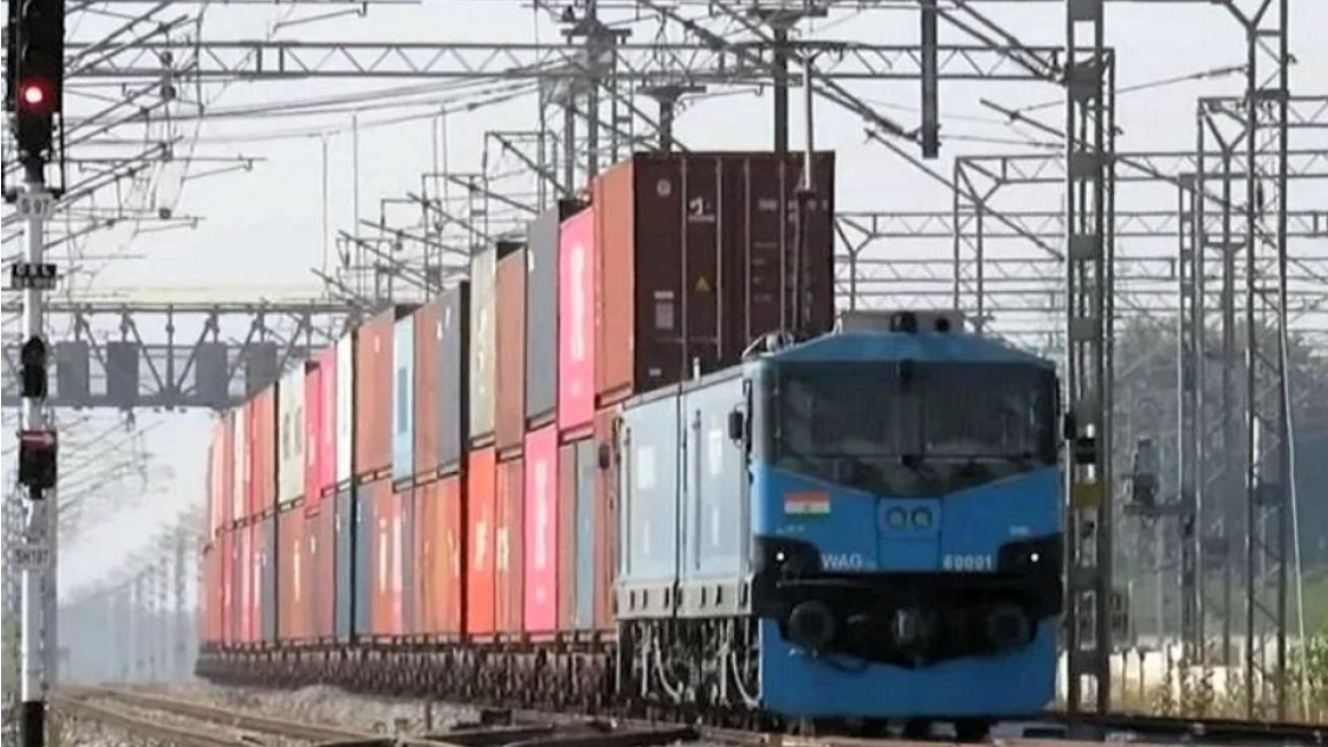
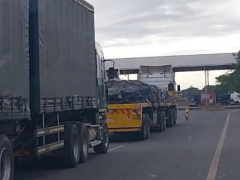
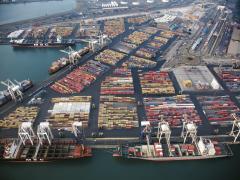
Mining companies are expected to oppose Transnet National Ports Authority’s (TNPA) proposal to hike cargo tariffs on dry bulk by 68%. The proposals also include imposing a minimum export cargo tariff of R6 per tonne on dry bulk and breakbulk shipments. On the other hand, TPNA proposes to reduce cargo tariffs on manufactured goods by 47%. TNPA has submitted this as part of its tariff strategy proposal to the SA Ports Regulator. Said Riad Khan, CEO of the Regulator: “They are talking about the tariff strategy elements that will set the tariff incidence for the period after April 1, 2013 – a separate process to the 2013/2014 tariff decision. “The Regulator’s decision deals with that, so by implication the requested dry bulk increases do not apply until the Regulator makes a decision. The exact implementation date may be April 1, 2014, or even earlier. The final determinant for the strike date of the changes, if any are approved by the Regulator, will be after the decision is made on the strategy and its implementation.” This, Khan added, will be “one or two months” after the Regulator’s deadline of May 31 for submission of all comments. “We expect [the mining sector] to complain,” Brian Molefe, CEO of Transnet, said at the start of March, when he presented the proposals to a parliamentary portfolio committee. Indeed, Kumba Iron, a division of Anglo American, told FTW on April 5 that it would oppose the proposals, as the export cargo tariff hike would double the cost of iron ore moved from its Sishen mine to the Saldanha port. “As a major user of the Saldanha port, we will be submitting our comments to the regulator,” a spokesman said. The company would oppose the proposed tariffs on the basis of the company’s longterm transport and export contracts. “We have a long-term agreement in place governing the transport and export of iron ore,” the spokesman said. “This agreement includes price and a mechanism governing the annual escalation of prices. Any adjustments to prices are discussed in the context of this agreement.” Molefe said during his parliamentary presentation that the mining sector had been "hugely subsidised" by manufacturing and agricultural sectors. “We send away our own God-given iron ore and then we have unemployment, but we can’t process anything with our own hands,” Molefe said. “We have seven trains that are each four kilometres long running between Sishen and Saldanha carrying iron ore, and then we import steel.” However, Kumba stated that it fully supported a beneficiation policy by government. “We support the government’s objectives for local steel production and will supply the necessary ore to facilitate this.” Other miners also said they were not happy with the proposals. “These proposed port tariff increases will create mayhem,” David Wellbeloved, director of projects at Asia Minerals, said. His company has just commissioned its manganese mine in the Northern Cape and plans to export up to 3 million tpy of ore by 2015 to its smelter in Malaysia. “We have to understand that in this country we have to export raw materials,” he noted. “We can’t beneficiate all our raw materials with power at the cost that we’re getting it and the availability thereof; it is economically unviable to beneficiate here completely.” His company decided to set up the ferro-manganese smelter in Malaysia because power there is a lot cheaper than in South Africa, and the country has sufficient availability of power.
Mining companies weigh in on TNPA hikes
Comments | 0