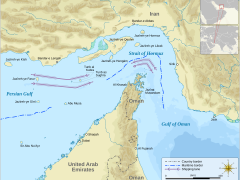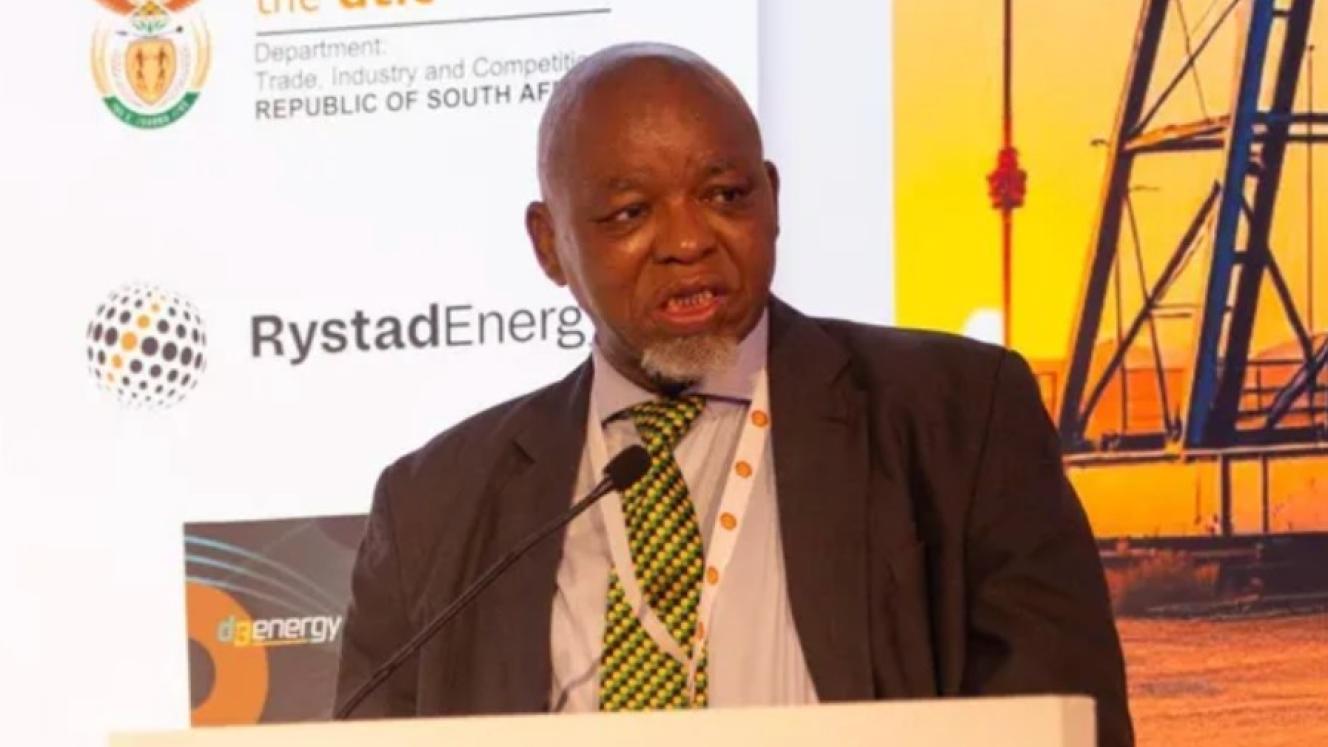
If there’s still any doubt about the impact of the Middle East conflict at home, South Africa’s fuel supply and prices would be affected by the war, Gwede Mantashe, Mineral and Petroleum Resources Minister, said yesterday.
Mantashe, who was speaking at the Southern Africa Oil & Gas Conference in Cape Town, said heightened geopolitical tension in the region was stirring uncertainty and volatility in oil markets.
The price of Brent Crude has been trading between US$100 and $106 in recent days.
“Fuel supply chains have experienced disruptions, while the under-recovery on fuel prices has continued to fluctuate. While questions remain about potential fuel supply disruptions, the reality is that substantial fuel price increases are increasingly unavoidable,” said Mantashe.
He said his department was constantly speaking to industry stakeholders “to explore all possible supply sources”.
“These engagements are aimed at ensuring uninterrupted fuel availability in the domestic market, without immediately utilising the country’s strategic reserves.”
Mantashe added that domestic production was the sustainable long-term solution but environmental activists were constantly opposing and blocking oil and gas development initiatives.
However, despite the energy crisis, Efficient Group economist Dawie Roodt said at this stage he did not think the country faced imminent fuel rations.
“I don't think there will be rations. I think we've got sufficient fuel in reserve. We also get much of our fuel from Angola and we still have some refinery capacity.”
However, Roodt said he expected significant fuel price increases of R5 a litre for petrol and R8 a litre for diesel when the department of Mineral Resources and Energy announced the price adjustments that take effect in April.