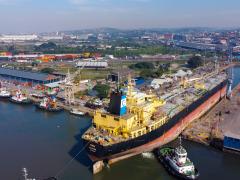
Data supporting improved port and rail performance and private-sector involvement in the rail freight network in particular attests to South Africa’s structural reform, Casey Sprake of AG Capital says.
Alongside last year’s exit from the Financial Action Task Force’s grey list and a sovereign credit rating upgrade, markets have taken note of the country’s economic resilience, adds the market strategist at the financial services firm.
She says several factors count in the country’s favour now that 2026 is under way.
“Markets have taken note. The rand is stronger. Bond yields are down sharply. Credit default spreads are at their tightest in over a decade. The JSE delivered a standout performance, and South Africa is regaining relevance in global emerging market (EM) indices (with scope for further inflows as index compositions evolve).”
Considering immediate past periods of bleak growth projections, global and domestic forces are pulling in the same direction for a change, Sprake says.
“South Africa’s 10-year bond returned around +25%, one of the strongest performances globally. This isn’t just about global tailwinds; it's reflecting tangible domestic progress, namely a lower inflation target, commitment to fiscal consolidation, and reduced nominal bond issuance.”
Internationally, the context leading up to this position includes rising trade tensions, geopolitics hard-coding uncertainty into markets and nationalist self-interest, says Sprake.
Amidst all the global volatility, inflation has stayed contained and capital is rotating rather than retreating.
“That rotation matters for SA,” she says.
“In a world of deglobalisation and resource security, the commodities SA produces remain strategically important. Structurally softer energy prices are easing inflation pressures, supporting the trade balance and boosting household purchasing power. At the same time, global investors are re-diversifying away from US assets and SA is back on the EM radar – with no small thanks to the White House.”
Sprake adds that while interest rates are never the most tantalising of economic stories, they remain as crucial as ever to the current economic outlook.
“While the US Federal Reserve edges toward further cuts (threats of criminal charges aside), SA has eased rates more cautiously, widening the interest rate differential. That gap has supported the rand, pulled foreign capital into local bonds, and reinforced confidence in domestic assets - a sign of policy credibility, not constraint.”
And yet, just because global volatility is buoying the commodity market, with sure benefits for South Africa, it doesn’t mean the risks are gone, Sprake says.
“Political uncertainty (including Cyril succession risk), upcoming municipal election anxiety, policy missteps and continued dependence on global cycles remain real. The reform story is credible, but fragile.
“With the start of 2026, it feels like we are in a world of higher geopolitical tension and weaker institutions, yet paradoxically one that currently favours South Africa. The opportunity now is execution: protect the gains, deepen reform, and turn cyclical momentum into durable growth.”