Breakbulk cargo down 1.2% in first quarter
The Kwazulu-Natal economy
is battling due to the global
economic down-turn and
drought but greater focus
on developing its tourism and retail
sectors and retaining scarce skills
could help boost economic growth
prospects.
This was the view of economists
who said sectors such as
manufacturing and transport in the
province had been hammered by the
commodity price crash which they
believe has fallen downwards for the
long term.
Economists.co.za economist Mike
Schussler said the latest Statistics SA
figures for the province showed GDP
growth of 2.1% in 2014, which was
above the national growth rate of
1.5% for the year.
According to Statistics SA,
the national economy grew by
1.3% in 2015 – and while data on
KZN has not yet been released
– Schussler said the province
was probably doing “better
than average” compared to the
national economy, with average
being “weak”.
“The transport sector was doing
very well but in the last six months it
has just collapsed,” Schussler said.
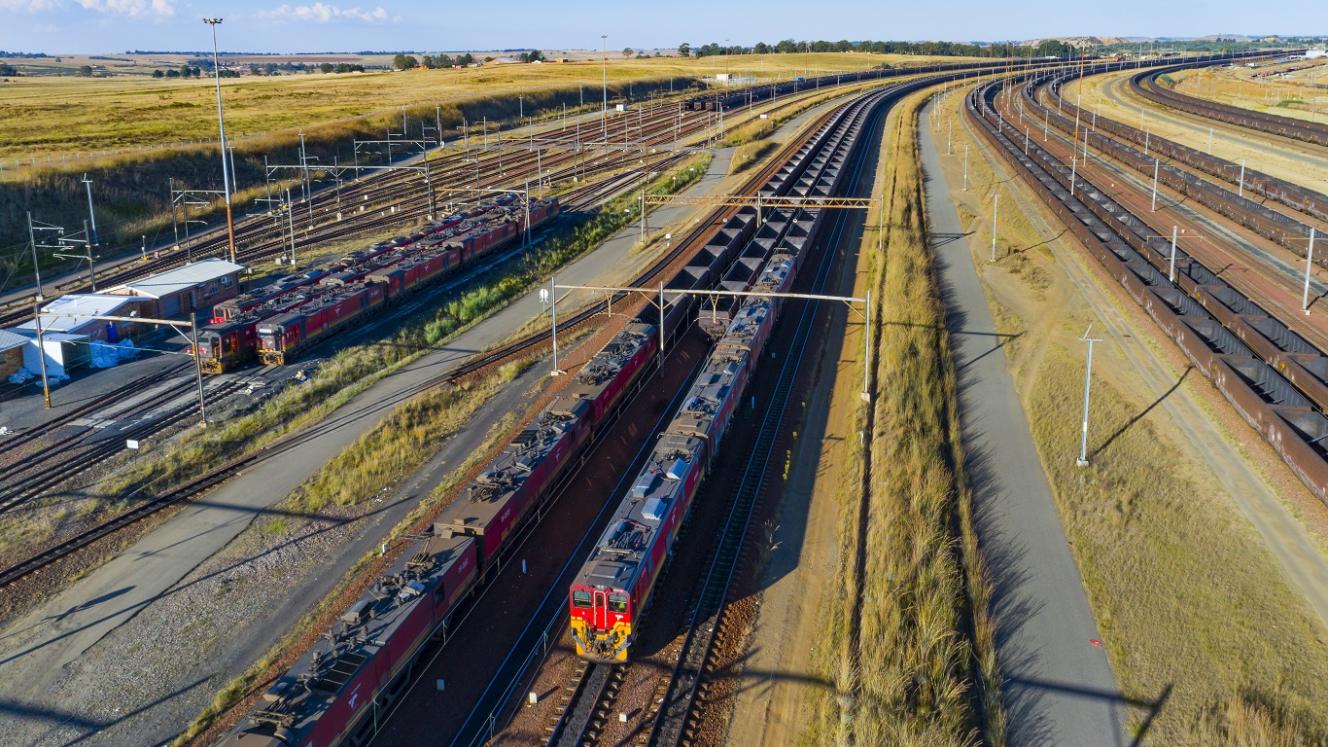
He said rail to Richards Bay and
trucking services along the N3 had
been hardest hit due to the decline in
export volumes of coal, iron ore and
mining machinery as well as a drop
in consumer demand for durable
goods like furniture.
“It is not a pretty picture at the
moment. Overall I don’t think we are
going to see good growth this year in
KZN.”
Schussler said volumes of
breakbulk cargo had declined on
average 11.2% in the months January
to March 2016 and by 9.9% in the
previous three months.
However, he expected the
transport sector to pick up as services
were needed to move the
9 million tonnes of soft
commodities, including maize,
wheat, sunflower oil and sunflower
cake, that would be imported for use
locally and in other drought-stricken
African countries.
The provincial economy, like
East African countries Kenya
and Tanzania, was not entirely
dependent on commodities and
could see some growth from trade
and tourism, he added.
“Tourism had a problem with
the visa issues but now it is making
a comeback – and an advantage
too is the weaker rand because
many South Africans can’t travel
internationally.”
It was a concern that unlisted
businesses were now opting to invest
elsewhere in Africa and the province
had seen businesses closing in small
towns like Newcastle, he added.
If the proposed N2 Wild Coast
Toll Road goes ahead as planned
it could however provide further
business opportunities.
“You will get garages and guest
houses coming up and beaches can
be developed without destroying
them,” he said.
FNB Household and Property
Strategist John Loos said KZN
was “extremely poor” and had
a per capita income of R39068
compared to Gauteng’s R72 418 in
2014. He said the province was also
competing for scarce skills with
Gauteng and the Western Cape as
the bank’s research showed skilled
professionals were selling their
homes and migrating provincially
for better economic opportunities.
“The key longer-term challenge
for KZN is to increase its regional
competitiveness and grow its
economy and household income
faster,” Loos said.
CAPTION
The decline in export volumes of coal, iron ore and mining machinery has hit transporters hard.
Photo: Ed Richardson