It was shipping of a different kind for MACS Shipping managing director Felix Scheder-Bieschin, who earlier this year took line honours aboard the yacht Vineta after a demanding Atlantic crossing in the historic Cape2Rio yacht race.
First held in 1971, it is one of the world’s classic ocean yacht races. The roughly 3 300-nautical-mile crossing between Cape Town and Rio de Janeiro tests both seamanship and weather navigation as crews contend with the challenging conditions of the South Atlantic.
“The Cape2Rio race is both a tactical and physical challenge,” said Scheder-Bieschin.
“It requires good seamanship, strong teamwork and careful navigation across the South Atlantic.”
This was Scheder-Bieschin’s second attempt at the title, having first entered the race in 2009 with one of his father’s yachts, but he was forced to withdraw after putting into Walvis Bay as an emergency port following damage to the vessel.
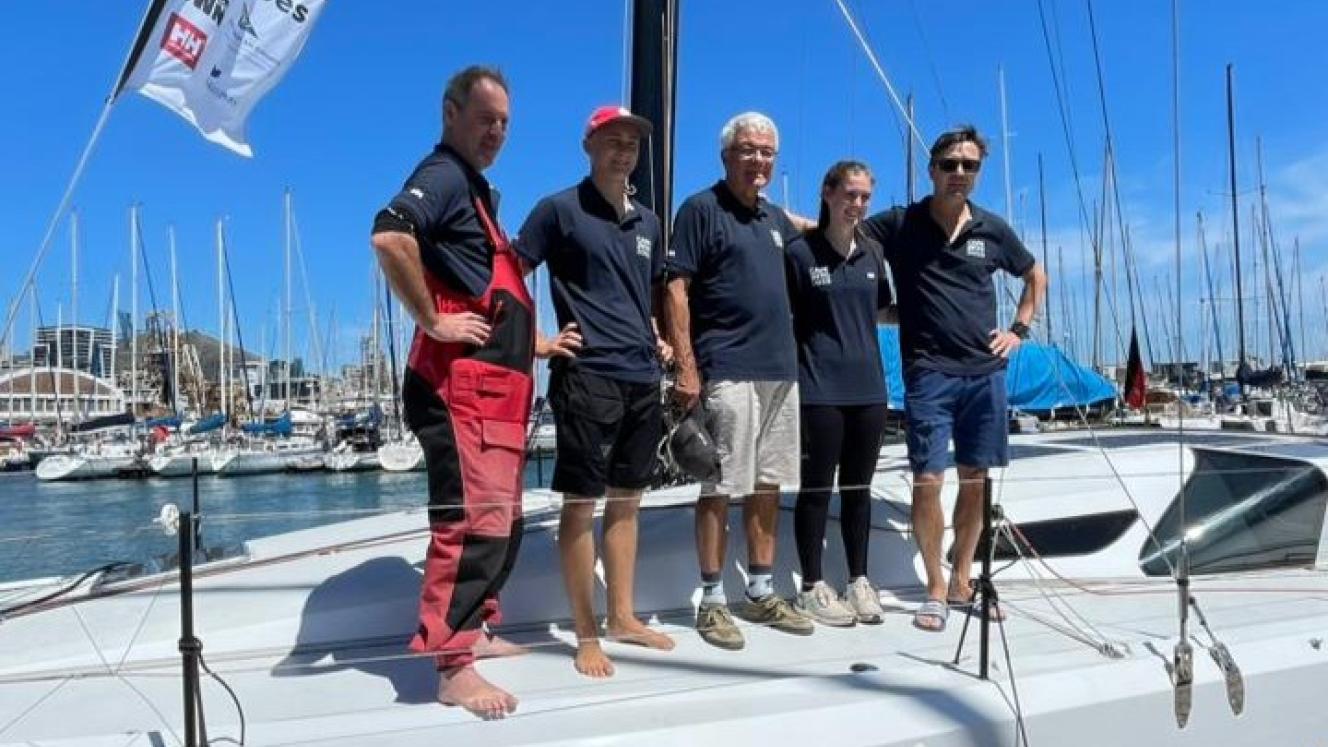
On board Vineta, owned jointly with his brothers Dietrich and Wolf, Scheder-Bieschin and his crew completed the race in 16 days, seven hours, 44 minutes and 15 seconds, ensuring there were no disappointments this time around.
Sailing alongside his brother Wolf and his 19-year-old son Theodor made the crossing even more significant. The other two crew members were Olivia Purchase (18) and seasoned sailor Nick Leggatt.
“Having two young people as part of the crew was very much part of our plan,” said Scheder-Bieschin, who has been sailing all his life.
“Passing on knowledge and making sure the next generation develops a love for sailing was important. But the sharing of knowledge is not only from old to young – it also works the other way around. They brought a lot of energy to the race.”
Raising the profile of sailing as a sport is important to Scheder-Bieschin, who said the historic race had seen a significant decline in participation compared with its early years, when more than 50 yachts would enter.
“Unfortunately, this time there were only twelve participants. Nevertheless, the start was very impressive: 35–40-knot ‘Cape Doctor’ winds, a parade through the historic harbour at the Victoria & Alfred Waterfront and the South African frigate SAS Amatola serving as the starting vessel. Many club members also accompanied the fleet on their boats as we set off for Rio,” he said.
Scheder-Bieschin said Leggatt, who has sailed the route 11 times in one direction or the other, proved to be their “secret weapon” when it came to navigation. During the crossing he also spent time showing the younger crew members the basics of traditional navigation and the importance of not relying entirely on modern technology.
“While technology plays an increasing role in modern sailing, crews still need a strong understanding of traditional seamanship and the natural environment,” said Leggatt.
“Modern boats have a lot of technology on board, but you still have to work hard and understand what the ocean and the weather are telling you.”
Scheder-Bieschin added that one of the most demanding aspects of the crossing was managing fatigue during the long watches at sea.
“Not getting enough sleep can be very challenging and it is sometimes difficult to switch off and rest when you need to,” said Theo.
For Purchase, the youngest and only woman on board, the race was a memorable experience.
“It was an incredible experience and something I would definitely like to do again,” she said.