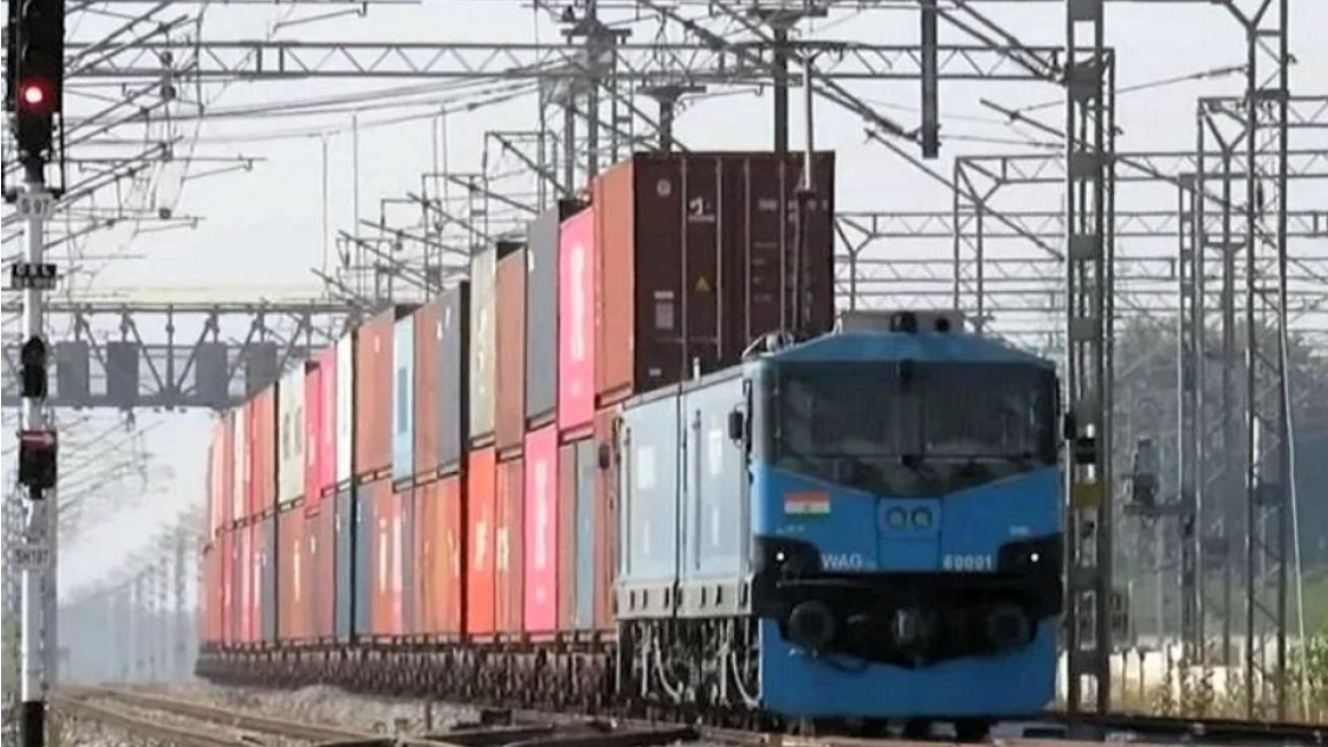
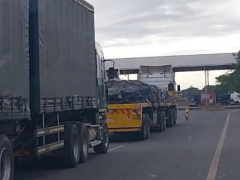
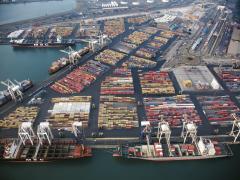
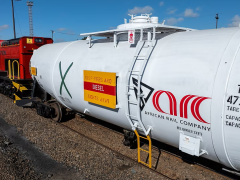
There are three main logistics challenges which can cause major delays in getting essential goods to mines, according to Hugh Reimers of Eikos Risk Applications. PORT PROBLEMS Ports are crucial to the mining sector, and disruption creates more logistical problems for them. Take Richards Bay Coal Terminal which is the largest single coal export terminal in the world. RBCT has five berths and four ship loaders, and is linked by Transnet’s 650km rail line to the coalfields in Mpumalanga for export coal. On January 31 this year, RBCT suspended all operations relating to export coal services due to a power failure. This resulted in massive stockpiles and general inconvenience for the coal mining industry. RAIL DELAYS Derailments continue to be an issue, and when these occur, delays ensue. For example, getting a load of coal from Mpumalanga to Richards Bay Coal Terminal (RBCT) can be fraught with complications. An inept driver may cause a derailment of coal in the middle of nowhere. It is very expensive to recover the load, so it is often left where it fell. DAMAGED ROADS & HIGH ACCIDENT RATE South Africa’s freight transport sector relies heavily on road transport, and this includes the transport of bulk mining commodities such as coal and manganese. This creates a further risk for mines as South Africa’s roads continue to deteriorate due to the demands placed on them. Added to this is the high accident rate, which according to a 2012 report compiled by the CSIR is created largely by a lack of law enforcement and high levels of non-compliance by many road-freight users.