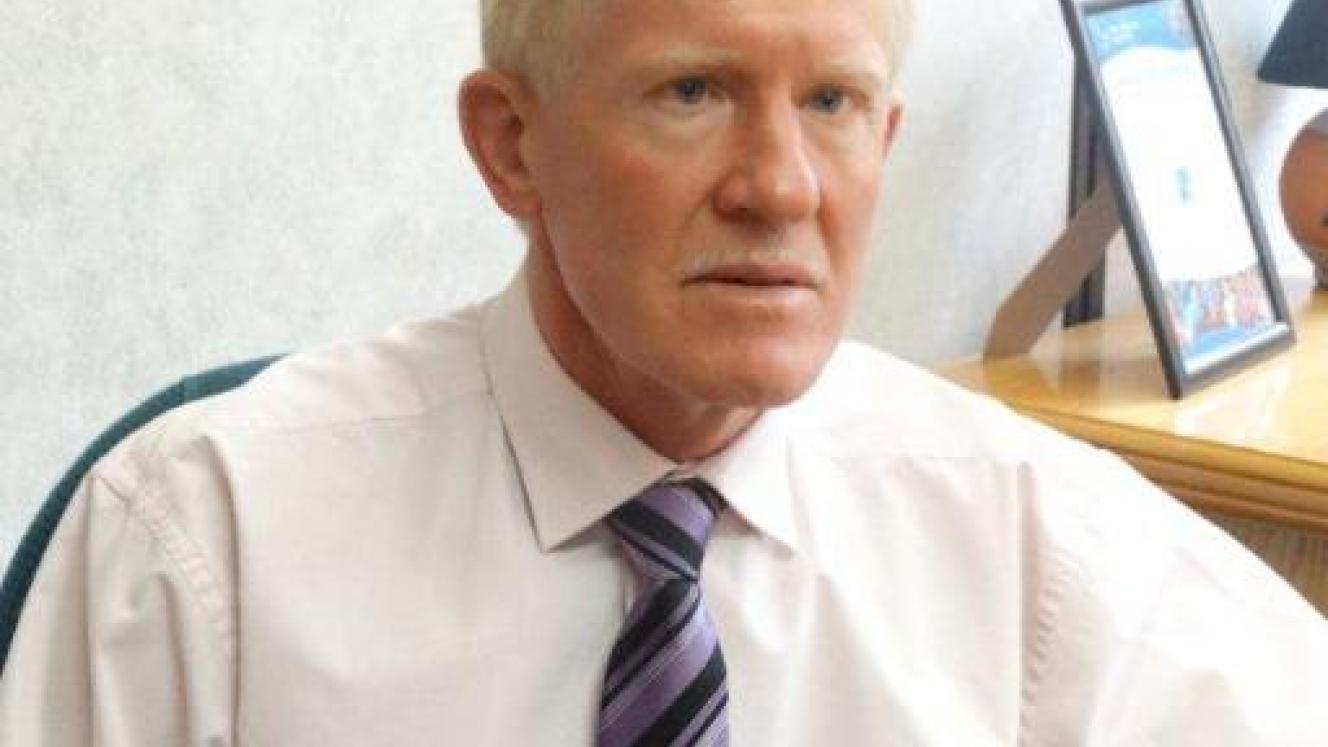
As the economy slowly loses traction, the risk of payment defaults is spiking at the rate last recorded in 2009, according to Luke Doig, senior economist at Credit Guarantee Insurance Corporation (CGIC).
During the global financial crisis, official default payments (value) rose by 22.3% in 2008 and 14.3% in 2009 and fell only marginally in 2010 to just above R1.2 billion.
But an improvement in 2014 was followed by an 8.1% rise to R990 million last year as the slowing economy and rising interest rates took hold. “With economic growth set to come in below half of what was recorded last year,” Doig said, “the impact on payment defaults could be catastrophic.”
CGIC’s internal adverse indicator last recorded an almost 100% spike in February/March 2009 compared to the preceding two months.
But, Doig told FTWO, a similar spike is evident in the company’s latest figures to mid-March 2016. “Rate increases of a cumulative 175 basis points since January 2014, rising production input costs and a softening growth trend over the last four years,” he said, “are all conspiring to create a worsening trading environment.”
He also noted that payment extensions and payment plans were on the rise as embattled businesses sought to do whatever possible to keep their doors open and their operations functioning. “Business conditions may remain moribund into 2017, more rate hikes appear inevitable, debt servicing costs are on the up and inflationary pressures are yet to be fully priced in. Further, labour discord and associated strike action - together with Eskom’s imminent 9.4% tariff hike - both imply yet additional headwinds for business.”
Against this backdrop, Doig is convinced that rapidly rising payment defaults appear inevitable - with liquidations and job losses set to rocket.