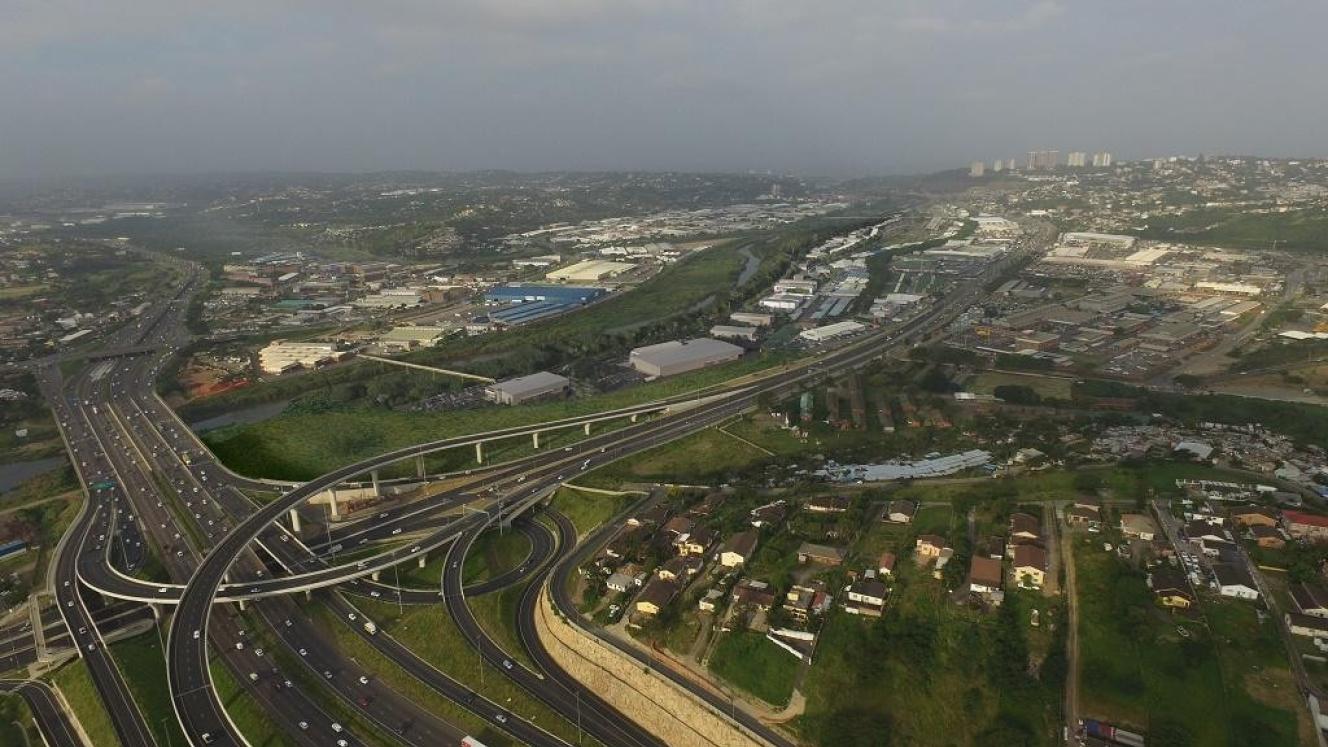
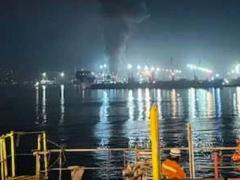
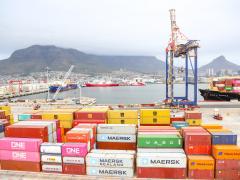
Portnet must pay congestion surcharge if there's no improvement Alan Peat SA PORTS which can't toe the line on ship turnaround times face getting slapped with a congestion surcharge by the international shipping industry. Things have got so bad - particularly at the country's major container port of Durban - that the Container Liner Operators Forum (CLOF) has issued an ultimatum to Portnet. The shipowners admit to recognising the challenge facing Portnet, but point to the big losses they have incurred as a result of port congestion. "If no substantial improvement can be achieved in the coming weeks, then we will be forced to consider the imposition of a port congestion surcharge," said the line's edict. CLOF and Portnet, meantime, are already in a huddle discussing the major losses in the last three months - and trying to reach agreement on compensation for the lines under already agreed formulas. But both are also in agreement that the serious problem of port congestion in Durban - just having entered the peak season of the year - has to be addressed. Said a joint release from CLOF and the Port Operations Division (POD): "Both parties recognise the considerably complex circumstances under which Portnet has been working in Durban in previous months and recognise that it is in the best interest of both parties to ensure a positive solution is found. "A combination of old, dilapidated equipment, poor weather and a number of strikes has created a significant strain on the over-utilised container terminal. "The impact on importers and exporters has been profound." Indeed, at the date of the release, there were 12 vessels awaiting to enter the terminal - which would have to wait between 29 and 95 hours to start loading. "It is of a grave concern to both parties," it said, "that this situation does not continue - and will be resolved as promptly as possible." To this end, CLOF and POD held a high-level meeting on September 19 and agreed to a plan of action. The proposed plan consists of four areas: l Using a trailer-borne operation in certain smaller terminals - freeing up over-used straddle carriers; l Speeding up the tender process for the already-approved capital expenditure for 20 additional straddle carriers. "These are seen as vital," said the release, "as they are the key to the short- to medium-term success of the Durban terminal. It is of considerable concern that this process has been delayed up until this point"; l Introduction of 12-hour working periods; l The liner operators, where practical, diverting their vessels to Port Elizabeth container terminal, "given the correct operating circumstances". POD is trying to get the acquisition of the new straddle carriers on the fast-track to delivery. But the first were scheduled for delivery in the first quarter of next year, and there is considerable doubt that they could possibly be in time to meet the Christmas rush. The authorities are also exploring the possibility of converting two berths in Durban to haulier trailer operations - freeing-up straddle carriers to move containers between their stacking bays and the vessels. And, following the meeting, POD c.e. Tau Morwe warned that - if productivity levels in SA ports did not improve - local ports could lose business to Walvis Bay and Maputo. He said that, in Durban, the cranes work between 11-14 container moves per hour compared with the international standard of 45.
Lines issue ultimatum over port delays
Comments | 0
© Now Media. This content is protected by copyright and may not be adapted or republished. If you would like to discuss cooperation opportunities, please contact: editor@freightnews.co.za.