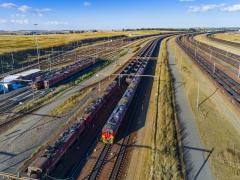
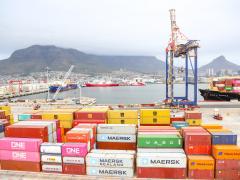
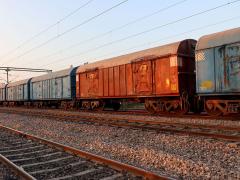
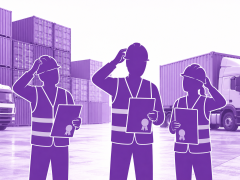
SHIPPERS TRADING with Europe face equally daunting challenges on the inland haulage leg as they do on the long-haul seafreight route. The implementation of new regulations for the trucking industry in Europe has increased the cost of transport for the whole of Europe. Legislation introduced last year makes it mandatory for truckers in Europe to take a one hour rest after every four hours on the road. “It’s very heavily controlled, with on-board 'black boxes' to ensure driver compliance,” says Ron Frick, commercial manager of Deutsche Afrika Linien. The knock-on effect has been an increase in the cost of inland transport with truckers demanding compensation because they can’t complete as many round trips as previously. Shippers who opt for barge transport are also not exempt from additional costs – and here it’s changeable weather conditions that have a role to play. “If there’s a drought and you have too little water barges can only negotiate certain areas, and if the water is too high they can’t get under bridges. The result is a low water surcharge or limited barge capacity. "Barge operators are now also charging a congestion surcharge to compensate for time spent at the port waiting to be loaded/ discharged,” says Frick The rail transport alternative is also congested, both in the ports and as a result of overloaded rail links where capacities are limited Add to this the rising cost of fuel and the surcharges that this attracts on all transport modes and it’s clear that shippers now have to factor more costs into their import/export deals than ever before. They can also expect delays as a result of transport infrastructure working at full capacity.
Legislation adds costs on European inland leg
Comments | 0
© Now Media. This content is protected by copyright and may not be adapted or republished. If you would like to discuss cooperation opportunities, please contact: editor@freightnews.co.za.