Iran has officially confirmed to the International Maritime Organization (IMO) that non-hostile commercial vessels wishing to sail through the Strait of Hormuz are welcome to do so, provided they comply with regulations laid down by the government in Tehran.
According to Lars Jensen, CEO of sea intelligence platform Vespucci Maritime, “the rules are quite simple: the ships must not help any attacks against Iran, they must follow Iran’s safety and security rules, and they must coordinate directly with Iranian authorities before passing”.
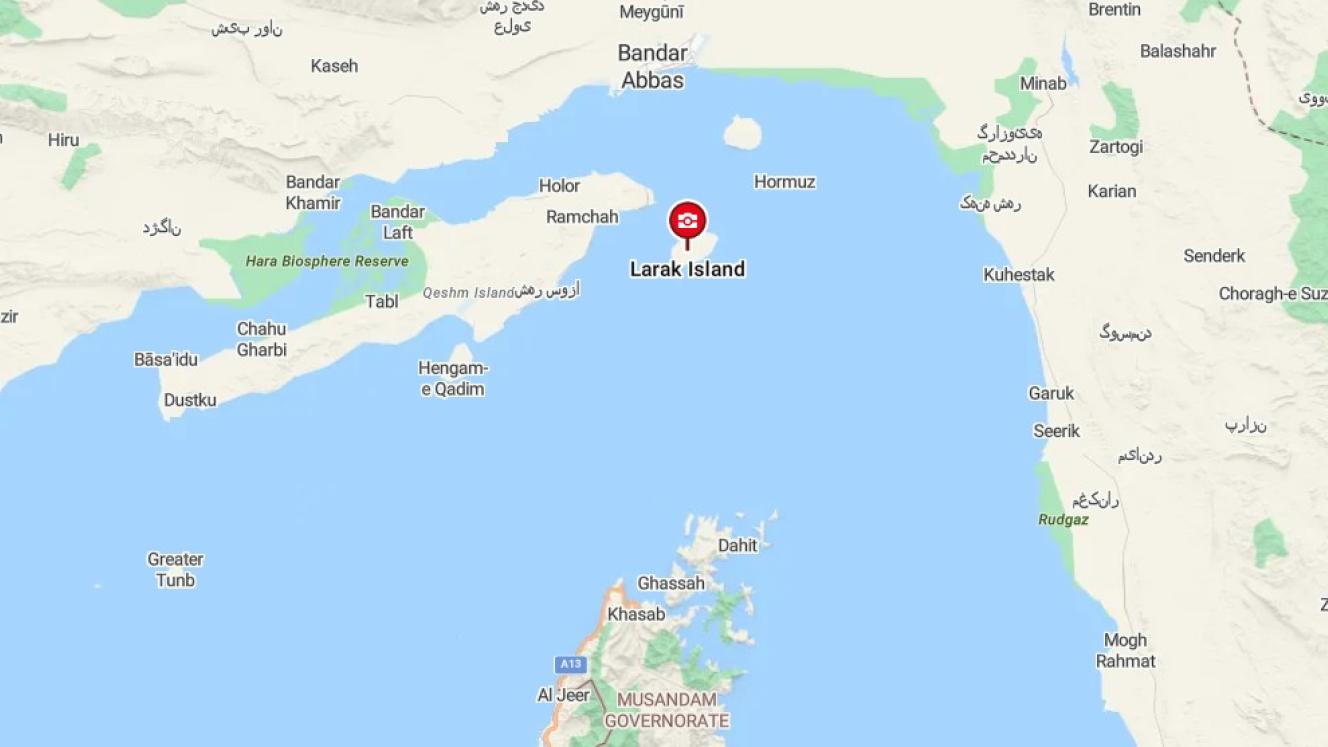
Lloyds List has already reported that a new de facto safe‑corridor route has indeed emerged for some ships passing close to the Iranian coast just west of Larak Island, skirting the shores of Qeshm, a larger island south of the Port of Bandar Abbas.
Maritime Executive has reported that Iran has set up an informal “approved” shipping corridor that routes selected vessels through its territorial waters.
Iran’s strategy emerged a while ago but was first unofficially confirmed by shipping analytics tracker Windward, which reported at least five ships using the Iranian waters route over March 15 and 16.
“The new route, which allows allies and supporters to transit, illustrates how Iran’s selective blockade has evolved,” Windward senior intelligence analyst Michelle Wiese Bockmann pointed out.
Initially, the strategy favoured primary trade allies, China and India, but Tehran has since extended this invitation to include other Global South partners such as South Africa.
Tass news service reports that many countries considering or already using the Larak safe corridor are flagged or financed by non‑Western, often Brics‑aligned, interests – India, China, Pakistan, Iraq and Malaysia.
It is understood that these countries are actively negotiating bilateral transit arrangements with Tehran.
The New York Times has stated that so far, at least nine vessels have transited the Strait via this corridor, while most ocean traffic continues to languish inside the Persian Gulf, fearing attack by Iran.
Bockman says that the threat of undersea drones and subterranean mines in the Strait poses a high level of risk to vessels willing to take a chance by transiting through Hormuz.
Like it or leave it, it’s a clever strategy by Iran, says Jensen, clearly illustrating the mercenary grip it has over a choke-hold responsible for at least 20% of global crude oil.
Marine Insight has warned that Tehran presents the Larak lane as a mechanism to unlock tankers and bulkers stuck in the wider Gulf, but Western security analysts and industry sources warn that Iranian “approval” does not equal guaranteed safety.
Seaborne units of the Islamic Revolutionary Guard Corps could still delay, inspect or seize even “cleared” vessels.
Lloyd’s stresses that the corridor is so far a low‑volume, politically segmented lane, not a return to normal traffic.