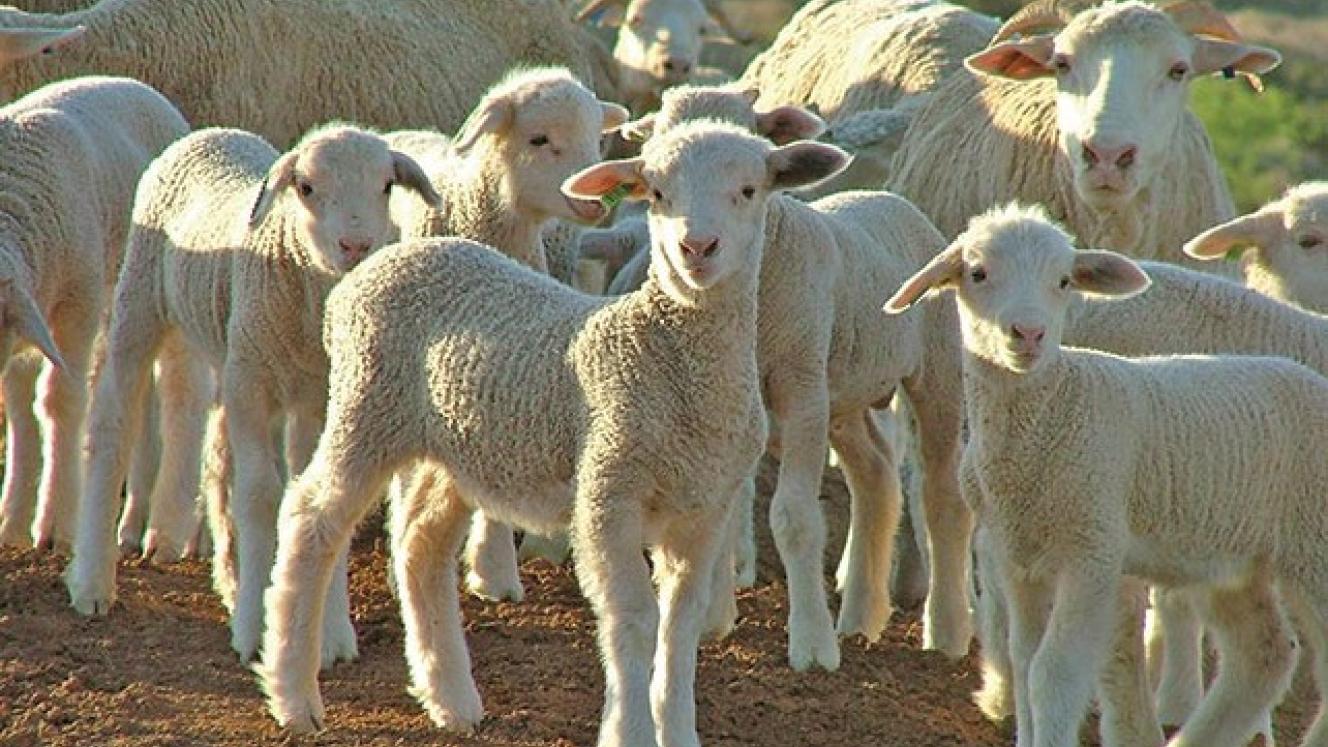
A growing market for South African lamb exports to Jordan is in jeopardy because of the impact the Middle East conflict is having on airfreight from Johannesburg to Dubai.
According to Pieter Joubert, managing director of Driefontein Abattoir in Bethulie, Karoo lamb must reach clients in Amman within 96 hours of the time of slaughter.
Ordinarily, the abattoir in the south-eastern Free State manages to complete the whole supply chain in 72 hours.
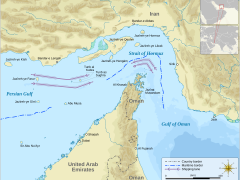
But last week, as war spread across the Middle East and Iran retaliated with missiles and drones against US allies such as the United Arab Emirates, none of the abattoir’s exports flew out to Dubai.
“It caused a serious backlog and although we’ve managed to fly out at least 30 tonnes since some flights have started coming back from the UAE, we’re in a spot of bother with our shipments to Amman,” Joubert said.
As far he’s aware, there aren’t any widebody flights leaving for Dubai at the moment and connecting flights to the Jordanian capital are also impacted by the war.
Joubert said available space had become a luck-of-the-draw scenario, as Driefontein competed for diminished allocation with competing abattoirs spread throughout South Africa – Elliot Brothers in East London, Overberg Meat in Bredasdorp, KLK in Upington and Cavalier in Pretoria.
“We’re all trying to get meat out and it’s a real problem,” he said.
“Sometimes flights are on, then they’re off or entirely cancelled when a drone hits Dubai. Sometimes cargo is loaded and offloaded more than once because of fuel loads increasing.”
He said although it was not clear why exports were often sacrificed for fuel on aircraft capable of taking 60-tonne payloads, it had been surmised that it was because of additional fuel that might be required in the event of a flight path alteration if Dubai was attacked.
To cope with the growing demand for time-sensitive product, charter flights were being planned to fly directly to Amman, but at significantly increased cost, Joubert said.
“We haven’t heard yet of any charters that have left OR Tambo (International Airport). I know there’s a plan to allocate about 100 tonnes, which will resolve the current backlog, but it could cost as much as US$5 per kilo, compared with the $2 to $2.50 a kilo it costs under ordinary circumstances.”
He said the current situation was placing serious strain on Driefontein’s finely tuned reefer process required for exports to Jordan – from cold chain treatment overnight to getting loaded at 5am the next morning by Hestony Transport, getting exports to OR Tambo by the evening, and out to Dubai on the first available flight.
“We started about three to four years ago. Although we do mostly lamb, we also do beef. The UAE takes some of our product but for the time being Jordan is our main market. We used to ship to Qatar and Kuwait as well, but those markets have been lost because of foot and mouth disease (FMD).”
Joubert said Jordan had been initially hesitant to take South African lamb, “but they have come to realise that we produce high-quality meat and we’ve been making steady inroads”.
He said it was not necessarily a case of Jordan taking in more meat than it used to, but South African lamb and beef eating into the market share of competing exporters in Australia, Romania and Brazil.
According to data by the Red Meat Industry Services (RMIS), South African sheep meat exports surged 84.6% to 11 400 tonnes in 2024, with the Middle East absorbing 93% of lamb volumes.
Joubert said year-on-year, exports continued to grow.
The RMIS reports that Jordan ranked among primary markets alongside the UAE, with fresh lamb carcasses fetching premium prices of $8.78-10.82/kg.
“If demand increases in Jordan it’s possible that we could charter exports to Amman but I don’t know if our clients in Jordan are ready to pay higher prices.
“Our clients there say up to 60% of the abattoir capacity in the country has closed down because of meat not coming in,” said Joubert.
He added that exports sitting at OR Tambo and not making the 96-hour sanitary regulation that South Africa had with Jordan, would mean product would be fed into the local market.
Because of the FMD outbreak and the impact it has had on local prices, consumers could expect to pay less for local meat that can’t be exported because of the Middle East conflict.