As South Africa’s citrus export season gears up for shipments, initial load estimates point to moderate growth, says Dr Boitshoko Ntshabele, chief executive officer of the Citrus Growers Association (CGA).
However, total citrus volumes available for export are expected to increase, continuing an upward trend from 203.9 million 15kg cartons last year by approximately 3% to 5%.
Provided that logistics and other potentially challenging requirements are met, export expectations for the 2026 season indicate outflows of between 210 and 215m 15kg cartons, Boitshoko says.
“It should be noted that the estimate assumes a late mandarin crop that follows its recent trajectory. The late mandarin estimates will be released at a later stage.”
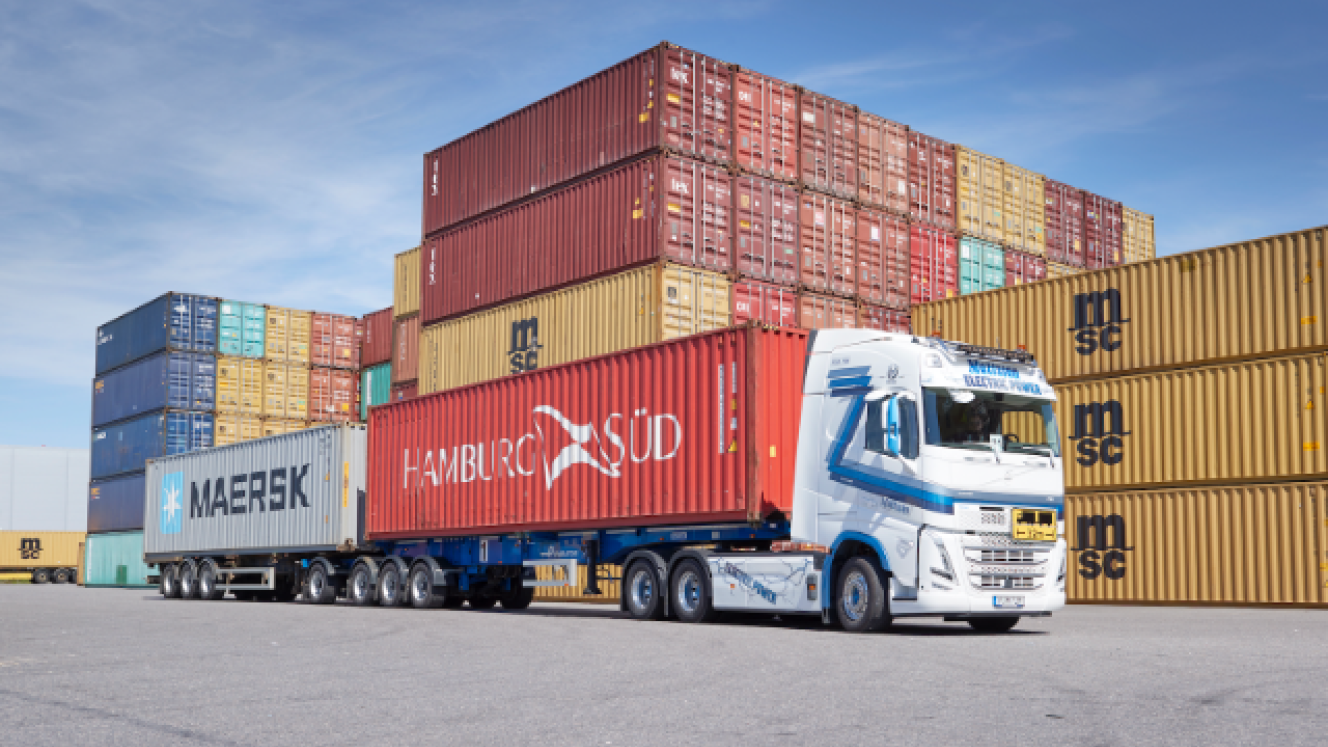
Transnet Port Terminals (TPT) has indicated that the country’s ports have firmed up readiness plans for the upcoming export season following a bumper crop that saw a 22% increase in volumes last year.
TPT said on Friday that it had been engaged in integrated planning with the industry to prepare for the season over the past few weeks.
Planning has focused on refrigerated container demand forecasting, stack management and capacity, provisions for late or early arrivals, berthing, stowage and storage.
“We have engaged strategically with all shipping lines to ensure that routes to major markets are well balanced across the terminals for adequate connectivity across citrus producers,” TPT general manager for commercial and planning, Michelle van Buren Schele, said.
All terminals will continue to operate around the clock, offering a 24-hour service across four employee shifts.
“In the event that the terminals encounter delays due to weather or operational challenges, there will be immediate communication, and stacks will be extended, where possible,” Van Buren Schele said.
TPT said engagement with the industry was ongoing, with planned weekly logistics engagements to monitor performance and respond to operational requirements. The finalisation of vessel loading plans within two hours of berthing will be key, as well as the reporting of any faulty refrigerated containers at least four hours before vessel departure.
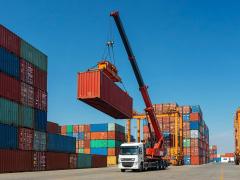
TPT has invested R9 billion across its terminals in the last three years, including in the acquisition of state-of-the-art rubber-tyred gantry cranes, rail-mounted gantry cranes, haulers, mobile harbour cranes, reach stackers and ship-to-shore cranes.
With citrus fruit exports growing year on year, South Africa maintains its position as the second-largest global supplier after Spain, with current industry plans exploring new markets for further growth.
“Our priority this season is to ensure that we deliver predictable operations, improved planning and an enhanced customer experience,” Van Buren Schele said.
TPT’s container terminals across KwaZulu-Natal, the Eastern Cape and Western Cape will handle exports of oranges, mandarins, lemons, clementines, limes and grapefruit, destined for more than 100 markets, from April to September.
The CGA has provided the following crop estimates ahead of exports getting under way:
- Lemons: 45.9m 15kg cartons (+10%), driven by new plantings and recovery from earlier hail damage.
- Navel oranges: 30m 15kg cartons (–5% vs 2025, but +10% on 2024), comprising 13.4m early/midseason and 16.6m late navels.
- Valencia oranges: 63m 15kg cartons (+1.6%), with regional variation and additional volumes from Zimbabwe, Botswana and Mozambique.
- Grapefruit: 15.7m 17kg cartons (+16%), supported by favourable growing conditions.
- Early mandarin types: Satsumas at 1.5m cartons; novas at 5.6m (–3%); clementines at 6.2m (–4%).
“Overall, the 2026 crop points to a balanced season with fruit of high quality,” Boitshoko says.
Of course, as with everything it seems lately, hovering over global trade is the spectre of ongoing conflict in the Middle East, specifically trade disruption caused by Iran’s blockade of the Strait of Hormuz.
“Given global instability, it is critical that, as an industry, we should focus on factors within our span of control,” Boitshoko adds.
“A stronger and engaged partnership with government should foster a focused effort towards improved market access, which should include deepening access to already existing markets, the resolution of the EU plant health constraints and increased private-sector participation in logistics, particularly in rail.
“Especially viewed from within the current pressures, these elements are essential to securing our sector's future growth,” he says in his latest newsletter to industry.