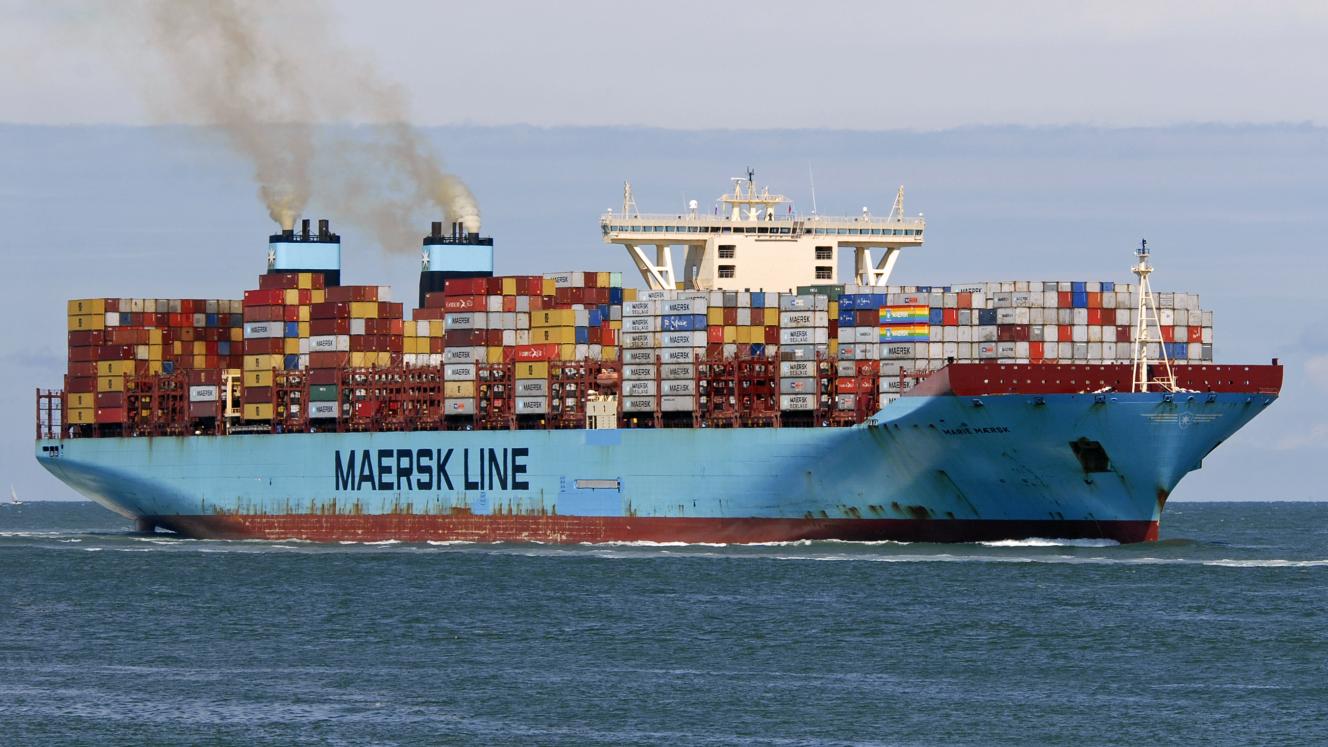
Blue chip firms, smaller private warehouse owners and transporters who are looking for solutions to labour challenges such as tight employment legislation, low productivity, escalating costs and the risk of delays and breakages are turning to innovative ways of managing the loading and offloading of goods. Tyron Hubbart, general manager of Outsourced Project Solutions (OPS), said companies were increasingly opting for efficient outsourced project labour teams that could guarantee a fixed cost of services, low risk, and a reduced need for their time-consuming, direct involvement managing labour on site. Hubbart said OPS had recently developed an innovative labour management system that had been designed to provide firms with a projectdriven service that ensured that specific loading, picking and bagging jobs could be done for a predetermined fixed cost per tonne, container or truckload, regardless of any potential productivity delays. This shifts risk away from the client to the service provider. He said due to tightening labour legislation there had been growing demand for this project work from Blue Chip companies in the mining, farming and FMCG sectors, including the loading and offloading of containers, decanting products and packing them into smaller containers for loading into containers and onto trucks. “There are a lot of challenges currently with labour legislation and temporary employment services companies, and the big challenge is the “three month rule” which says that after three months your temporary employee is deemed to be a permanent employee with all the same rights,” Hubbart said. “There has been momentum and major case law around this and it is going to affect businesses more and more,” Hubbart said. This was a concern for businesses, particularly those that did not have a constant flow of work to hire permanent labourers, he added. They also face the challenges of low productivity and the risk of escalating costs if projects are delayed. He said OPS’s system fixed all these problems as it ensured high labour productivity and provided the safety net of taking full responsibility for any risks or delays. “With our system we take a labour-intensive activity and do the job for a client as a contractor, not as a labour broker, which means we supervise and manage the project and charge a fixed rate for that project so the variable element of labour that businesses always battle with disappears,” he said. “We make sure the job is done and there is a transfer of risk. If anything is broken at the warehouse, if there are injuries or delays and the goods don’t get on the truck on time, the risk shifts to us. We have supervisors and managers on site to manage the labour, and if necessary we provide additional resources at our own cost to meet the agreed targets,” Hubbart said. The system had proved successful as it transferred all the stress of managing labour and meeting targets to OPS, he added, allowing businesses to focus on core activities.
INSERT with IMAGE
Work can be done for a predetermined fixed cost regardless of any potential productivity delays. – Tyron Hubbart