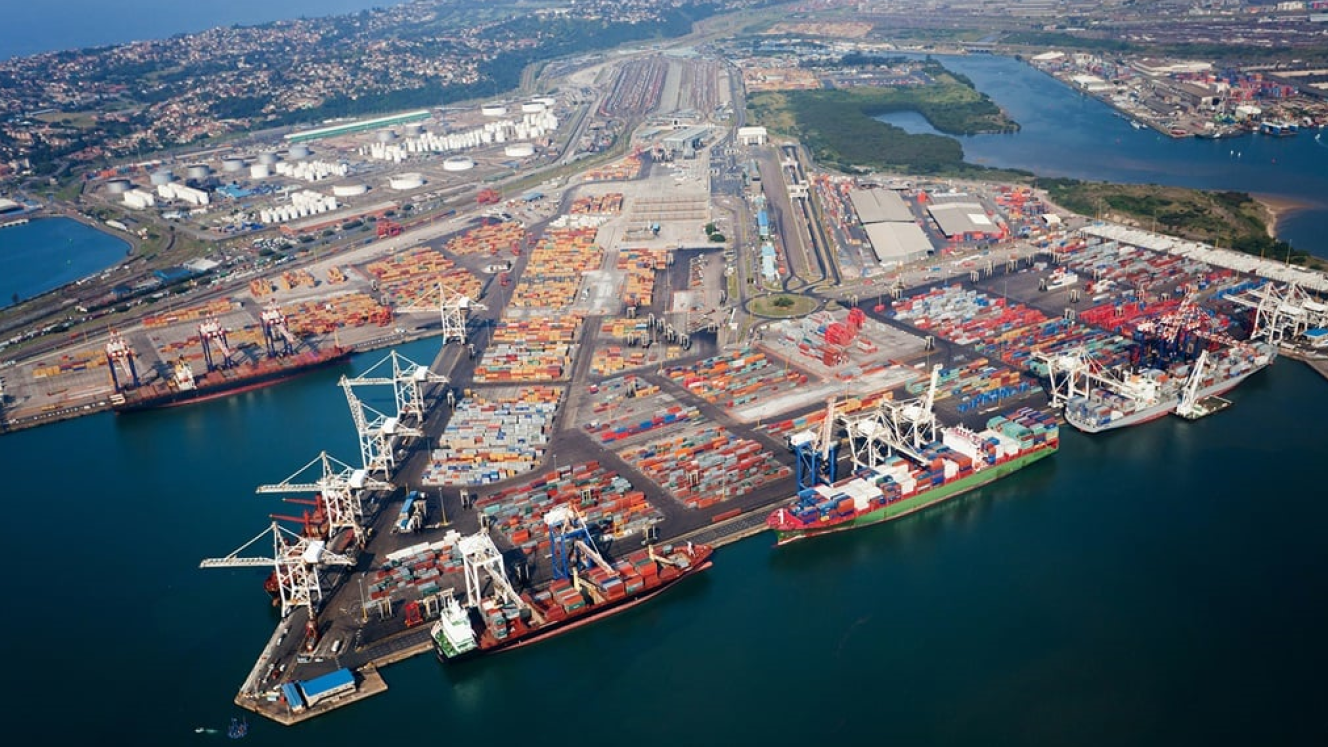
The true impact of the country’s new Customs bills on the groupage industry remains to be seen, according to industry experts currently scrutinising the rules and regulations that will guide the new legislation. Most are in agreement though that the bills and the proposed rules published so far appear to have missed opportunities to clarify some matters and address others that are not addressed at all. Examples of this include clarification of the meaning of the term “delivery” used in the new Act, in particular as it relates to what constitutes delivery, as this impacts the timing of the transfer of control of uncleared cargo, and the related responsibility for duties and VAT. “A matter that is of concern to me, that does not seem to be addressed, is the movement of groupage cargo within South Africa, where the final destination on the house bill of lading is within South Africa but is different from the final destination of the ocean bill of lading,” said one expert to whom FTW spoke. “As an example, inside an import container destined for Durban there's cargo to be delivered to Johannesburg. The container must be unpacked in a customslicensed container depot in Durban, and this would typically be road hauled to Johannesburg to a container depot there for ultimate release to the consignee upon presentation of the customs release notification.” The consignee would then process their bill of entry in Johannesburg. This movement is not specifically covered in the Act, however a suggestion has been made that a removal in transit (RIT) entry would be required. “This is not practically feasible and would add significant additional cost to an already expensive process, again making us less competitive internationally with higher input costs,” he explained. The need for this additional entry is further called into question when one considers that the container depots have all already posted large guarantees with customs to cover a scenario should the cargo be released in South Africa before it is approved for release by customs. “So if cargo is moving between licensed container depots, operated by the same licensee, and is properly manifested and controlled, I would propose that customs is adequately protected, without making the system overly burdensome. If the container depot operator could use his depot code to record the movement, this could then be treated as an “RIT” by customs, and the manifests could be lodged via EDI with customs similar to the other depot EDI messages,” he explained. Most are in agreement though that at present it is a wait and see game. “There are also some proposed regulations that are just not practically possible or consistent with international best practice. The effect this has on our ability to remain internationally competitive and act as a hub into Africa cannot be under-estimated, especially when one considers that our neighbours are becoming more competitive and attractive to our international customers,” said another source. Ultimately most say the process of scrutinising the rules and regulations should not be rushed and customs should give due consideration to the input of all role players. CAPTION What happens when an import container destined for Durban contains cargo to be delivered to Johannnesburg?
Jury still out on impact of Customs bills
Comments | 0
© Now Media. This content is protected by copyright and may not be adapted or republished. If you would like to discuss cooperation opportunities, please contact: editor@freightnews.co.za.