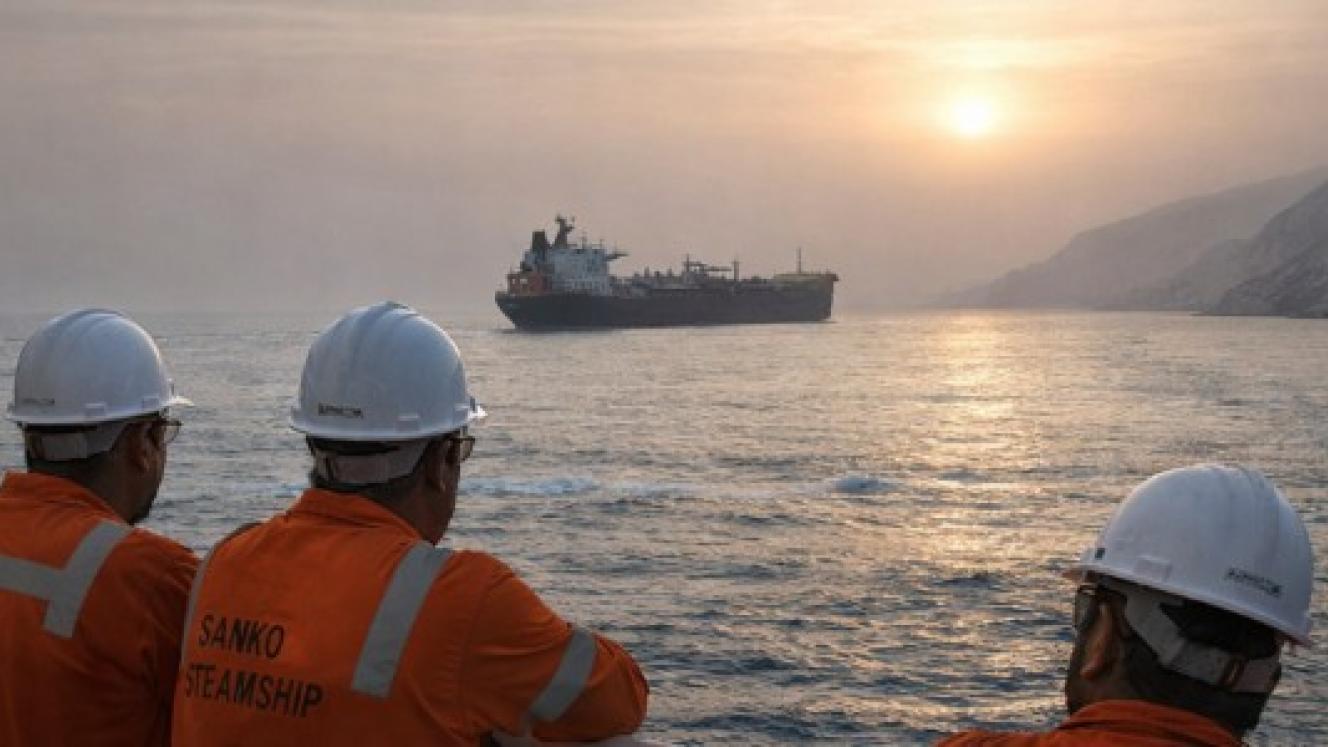
The International Transport Workers’ Federation (ITF) has called on governments to take immediate and concerted action to protect seafarers, following the 36th extraordinary session of the International Maritime Organization (IMO) Council held in London last week.
The session was convened to address the escalating crisis in the Persian Gulf, Gulf of Oman, the Arabian Sea and the Strait of Hormuz, where seafarers continue to face attacks on vessels, serious risks to safe navigation and worrying shortages of essential supplies.
The IMO called for a coordinated approach to be adopted and for the response to be internationally coordinated.
It reiterated that merchant and commercial vessels must respect the exercise of navigational rights and freedoms in accordance with international law.
Speaking after the meeting, ITF General Secretary Stephen Cotton said: “The world has recognised the grave danger facing seafarers trapped near the Strait of Hormuz – now governments must act.
“For the thousands of seafarers still trapped in this region facing daily threats to their lives, words are not enough. What matters now is urgent, practical action that safeguards their safety, health and dignity.”
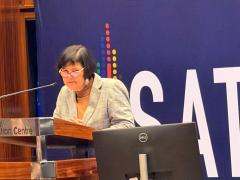
ITF representative at the IMO, Lydia Ferrad, warned that the situation remained perilous for crews in the area.
“This is not an abstract geopolitical crisis – it is a human crisis at sea. Seafarers have been killed. Others have been injured. Thousands remain stranded on board vessels in conditions of fear, fatigue and uncertainty. We are receiving daily distress calls from crews who do not know if they will make it home.”
The ITF highlighted the reality facing seafarers in the region, including direct threats to life from attacks on ships, disruption to navigation systems, limited access to food, water, fuel and medical care and severe restrictions on crew change and repatriation.
It stressed that the commitments, demands and calls made during the IMO session must now be translated into concrete action that safeguards seafarers’ lives, health and wellbeing.
The organisation also endorsed the IMO’s call for the establishment of a ‘maritime corridor’ to facilitate the safe evacuation of seafarers and vessels from the Gulf region as an urgent measure. The IMO secretary-general will now work with relevant parties to initiate this.