Friendly diplomatic relations with Iran could afford South Africa the same safe passage privileges through the Strait of Hormuz as has been extended to China and India, Tehran’s ambassador to Pretoria has said.
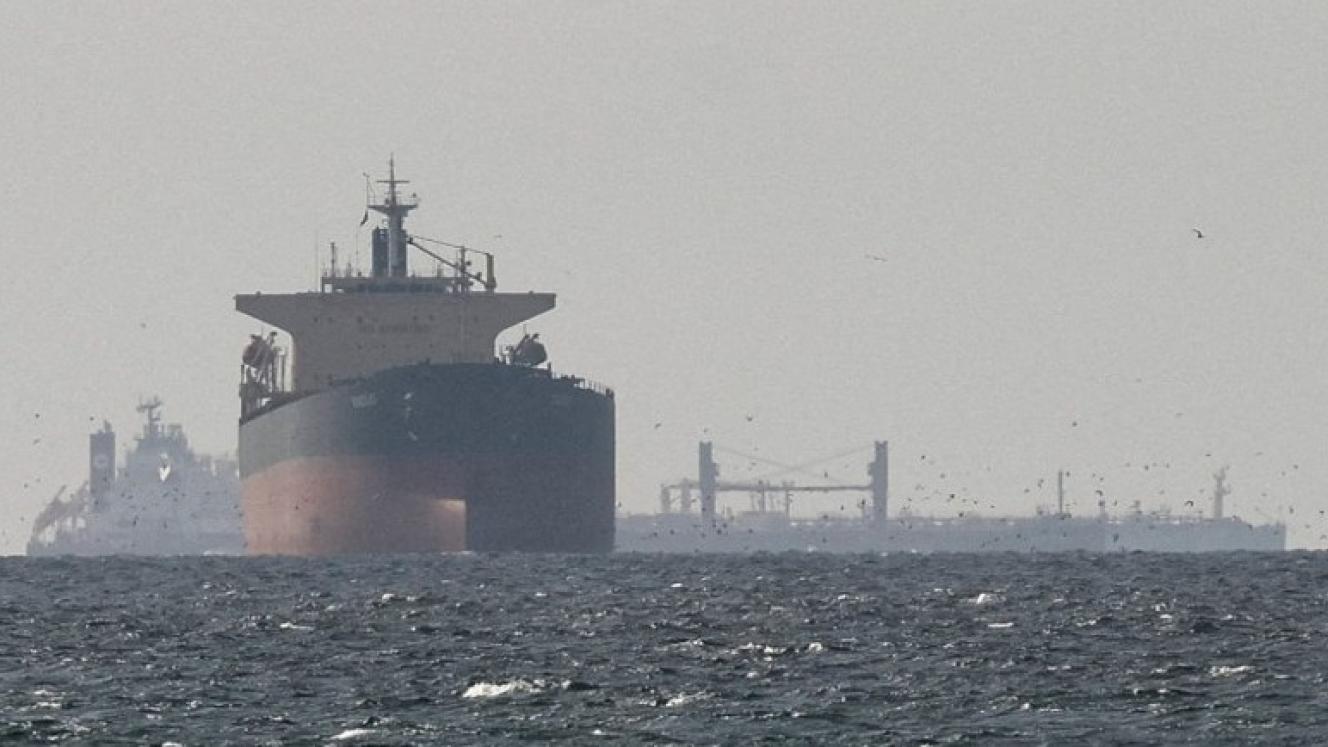
Addressing the United Ulama Council of South Africa in Cape Town on Wednesday, Mansour Shakib Mehr said it was not true what had been globally reported, that the important energy source supply chain had been closed off to maritime traffic since the start of the Middle East conflict on February 28.
Netwerk 24 reported that he said it was only vessels linked to the United States and Israel that were not allowed to sail through the Strait, responsible for carrying at least 20% of crude oil originating in the Persian Gulf.
Mehr said Iran allowed Chinese- and India-bound supply to continue through the Strait provided that specific conditions were met, and that the same “special arrangement” could be extended to South Africa.
According to global fin-services firm, Northern Trust, about 50% of China's oil imports come from Persian Gulf countries – Saudi Arabia, Iraq, UAE, Oman and Qatar. A further 13-15% comes from Iran, totaling 65% of China’s demand.
India, in turn, sources about 40% of its crude oil imports from the Gulf, mainly Iraq, Saudi Arabia, UAE and Kuwait, with 30% of total imports passing through the Strait of Hormuz, business magazine India Briefing has reported.
South Africa only receives about 24% of its crude oil from Saudi Arabia, with Nigeria and Angola providing some two thirds of the country’s oil demand.
Refined oil from the wider Gulf region is shipped to South Africa from Port Sultan Qaboos in Oman’s Muttrah region on the Arabian Sea, unaffected by current ramifications in the Strait of Hormuz.
However, oil prices are still projected to spike in April, affecting petrol prices by as much as R5 a litre and diesel by R8 while the conflict in the Middle East continues to escalate.
On Thursday morning, March 19, the price of Brent crude rose 3% after Israel attacked the South Pars gas field, the world's largest natural gas field which Iran shares with Qatar's North Field.
Iran retaliated by firing missiles at energy facilities in Gulf Cooperation Countries, a counter US-Israel strategy it has defended on the basis of attacking foreign-owned facilities in Saudi Arabia, UAE, Qatar and Bahrain.
But Wednesday’s bombardment of key refineries on the outskirts of Riyadh, SAMREF and Jubail, had an immediate impact on the price of Brent, especially after the Kingdom’s Foreign Affairs minister, Prince Faisal bin Farhan Al Saud, threatened that Saudi Arabia could strike back.
So far, oil prices have risen 55% since the current conflict started.
Johan Els, chief group economist at PSG Financial Services, has warned that energy markets are looking extremely precarious.
He said immediate policy formation to enable new oil capacity for South Africa is an urgent requirement at the moment, but also acknowledged during an interview with Eye Witness News that “it’s a long-term strategy” that “won’t solve the immediate problems”.
The gesture from Iran to allow tankers linked to South Africa safe passage through the Strait of Hormuz is not going to ease pressure of escalating oil prices for the local economy, it appears.
The best that could happen right now for local consumers amid concerns of serious price impacts going into Easter, was a quick resolution to the conflict in the Middle East, said Els.