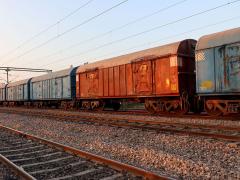
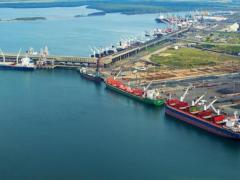
For Zambia - in the middle of this mess and still under British rule - the triumphal march came later when it was granted independence on October 24, 1964. Euphoria reigned, but the economy was grilled with a glut of copper internationally as nationalisation failed as a means of uplifting the people. Then there was the thorny issue of destabilisation by then Rhodesia and later South Africa. Through it all the transport routes remained, a lifeline to the sea through the ports of Lourenco Marques (today Maputo), Beira and Durban. The Chinese added another dimension with the Tanzam link to Dar-Es-Salaam which is today managed by the Tanzania-Zambia Railway Authority (Tazara) and is presently being considered for re-organisation by the World Bank to avoid it being rendered bankrupt. This is a far cry from the general performance of the Zambian economy and with it the industry that feeds it – freight. The World Bank and the International Monetary Fund (IMF) and other dominant players in the world have taken note of the Zambian transition. In April the World Bank and IMF approved Zambia’s bid to reach the Highly Indebted Poor Countries (HIPC) completion point, which is a precursor to foreign debt relief. Almost immediately, Canadian High Commissioner to Zambia John Deyell announced that his country had cancelled multi-million dollar debt to the North American country. So far Zambia – subject to continued performance in good governance and visible poverty alleviation – has won debt relief to the tune of $3,9bn from its creditors. This represents about 50% of its indebtedness as at December 2004.
Independence
Comments | 0
© Now Media. This content is protected by copyright and may not be adapted or republished. If you would like to discuss cooperation opportunities, please contact: editor@freightnews.co.za.