Red Sea transits are likely to resume gradually and unevenly, led by selective trial voyages by low-risk operators, while Israeli-owned vessels continue to steer clear of the region due to their high risk profile.
This is according to maritime security consultancy Ambrey’s latest assessment report released on Tuesday.
“It’s likely that Red Sea transits will continue to resume gradually and unevenly, led by selective trial voyages by operators assessed as low-risk, while Israeli-owned and Houthi-designated shipping remains absent,” Ambrey said.
This comes after commercial shipping lines were forced to reroute vessels to avoid the region following repeated Houthi attacks on ships since late 2023, before the Israel-Hamas ceasefire that has held since October 10, 2025.
No Houthi attacks on merchant shipping or Israel have been recorded since the ceasefire took effect.
The Houthi Chief of Staff, Yusef Al-Madani, issued a letter to Hamas on November 9 in which he said: “If the enemy resumes its aggression, we will escalate our operations deep within the Zionist entity and the ban on Israeli navigation will be continued/reinstated in the Red and Arabian Seas.”
The consultancy said it had since authenticated this statement and assessed it as credibly reflecting current Houthi military policy.
However, it said risk remained heightened for Israeli-owned shipping, but low for most others. Ambrey said it also assessed the probability that the Houthis would not target American shipping provided the US did not enforce sanctions.
Vessels with indirect Israeli-trade links, US ownership (such as Searchlight Capital Partners), or US-flagged ships have transited the Red Sea and Gulf of Aden without incident.
But Israeli-owned and Houthi-designated vessels, especially those that are sanctioned, have stayed absent, leaving the Houthi intent toward these interests untested.
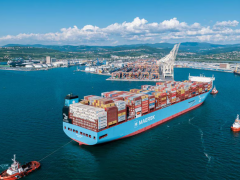
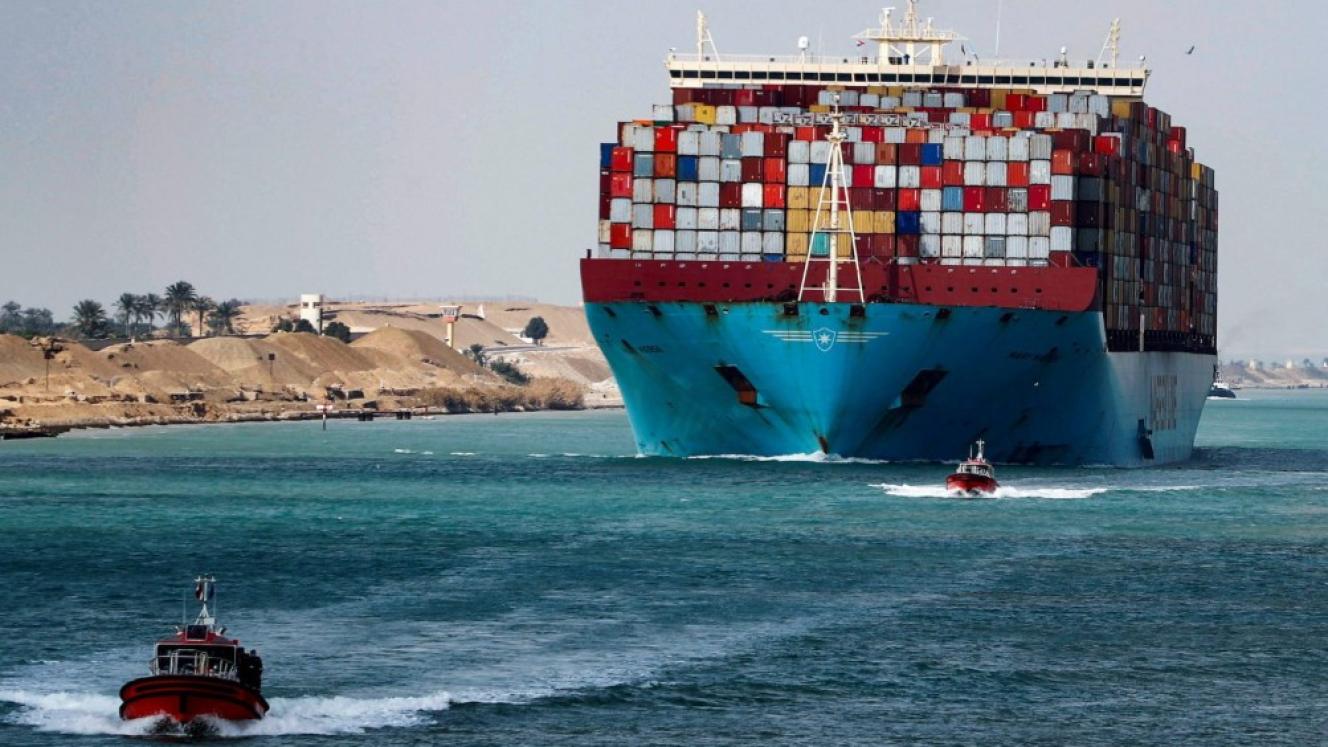
Ambrey says major container lines have conducted trial transits. Maersk Line Limited (USA) and CMA CGM have resumed selective services through the Bab el-Mandeb Strait, where Houthi attacks have predominated.
Yang Ming indicated that carriers forming part of the Premier Alliance vessel-sharing arrangement, including itself, might start by transporting smaller volumes or deploying selective services to test conditions.
Greek dry bulk operators, joined by other European players, have returned. Tanker transits remain dominated by Russian, Chinese, Turkish and Gulf-linked interests, with major US and European oil charterers yet to resume.
Cruise operators have limited activity to repositioning transits without passengers.
Operators resuming transits are covered by European war underwriters. Premiums have fallen for US- and UK-associated shipping but not significantly for Israeli-owned vessels.
Crew safety and hesitancy remain primary concerns, Ambrey points out.
Some trial transits occurred with naval support, and the consultancy has deployed analysts to brief crews. All transits followed risk assessments indicating reduced risk, with none targeted. Some operators have since sent additional vessels.
However, Ambrey cautioned that the ceasefire remained fragile, with limited progress on durable governance in Gaza and Hamas disarmament. Ambrey also stressed potential triggers for resumed targeting, including accusations of Israeli breaches or direct conflict.
It warns that Houthi capability persists, evidenced by weapons seizures in the Gulf of Aden and southern Red Sea to restock arsenals.
Ambrey has advised several non-Israeli companies not trading with Israel that risk levels are now tolerable, leading to policy re-evaluations, crew briefings and ship security assessments.
The consultancy’s recommendations include thorough affiliation checks against the Houthi target profile, tailored ship security assessments for heightened-risk vessels, and consideration of using private armed security teams with increased sizes and armament for certain threats.