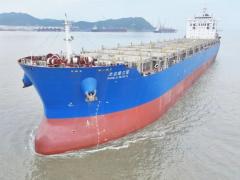
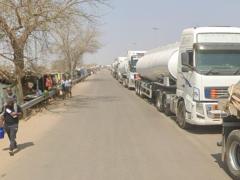
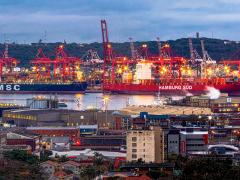
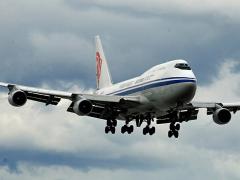
Japanese firm Hitachi Construction Machinery Group decided to open its first African remanufacturing centre in Lusaka because of the geographic centrality of the country. The project aim is to have components brought in from throughout the region – including South Africa – for remanufacturing to “as good as new” standard, according to Kennedy Chama, planning and logistics manager for Hitachi Construction Machinery Zambia. The company’s Remanufacturing Centre is being utilised by a number of mines in the region, including the Canadian-owned Lumwana mine in Zambia, which is Africa’s largest copper mine; First Quantum Minerals Limited also located in the North Western Zambia; the Konkola Copper Mines plc; and the giant Moatize coal mine in Mozambique which is operated by Vale of Brazil. With the mining boom in southern Africa and the positive trends in investment in this sector, there are strong demands for parts components to support the equipment already in the field, says Chama. Because of this huge demand in the region and the company’s policy in offering high levels of customer support, Hitachi invested US$15 million in the Lusaka plant to ensure the availability of replacement components. In addition to ensuring the availability of components for models in the field, “remanufacturing is more environmentally friendly than always using new components,” he says. Hitachi adopted the globally accepted principle of recycling cores and casings which are still within standard specifications and replacing the inner parts with new ones. For high reliability and equipment availability, Hitachi remanufactured components are of high quality and are backed by the same warranty as the “new parts” warranty policy but offered at a significantly lower price, Chama told FTW. “And the Lusaka facility has a record of zero premature failures since operations started in June 2012,” he said. The more than 30 technicians working in the plant are mostly Zambian, in line with Hitachi’s policy to promote local economic development. Machinery used in the plant was imported directly from Japan, and measuring and testing equipment from South Africa. The Zambian government facilitated this investment with start-up incentives including the waiving of import duty on manufacturing equipment, which was another factor that inf luenced Hitachi’s decision to become the first major Japanese private company to invest in Zambia. To carry out its remanufacturing business successfully, Hitachi Remanufacturing Centre imports and stocks a huge volume of parts of over 3 400 line items valued at over US$14 m in the company’s Lusaka warehouse. These stocks are replenished through a combination of direct shipments from Hitachi Construction Machinery HCM in Japan, and Hitachi Truck Manufacturing HTM in Canada, through Durban and Beira. There is also quite a significant amount of airfreighting for urgent parts, says Chama. There are deliveries from Hitachi Construction Machinery Africa in Jet Park, Gauteng three times a month on current average, he added. The Lusaka warehouse supplies the Hitachi warehouses with the remanufactured components in the Copperbelt, with weekly deliveries to Kitwe and Lumwana so that remanufactured components are stocked near the mine site operations. INSERT $14m The value of the more than 3 400 line items stored in the Hitachi Remanufacturing Centre. INSERT & CAPTION One of the biggest challenges in the region is not the transporting of the large components, which can weigh tons, but negotiating through the different tax regimes in the neighbouring countries. – Kennedy Chama CAPTION The new high-profile Hitachi Construction Machinery remanufacturing plant in Lusaka.
Hitachi chooses Zambia as its home
Comments | 0
© Now Media. This content is protected by copyright and may not be adapted or republished. If you would like to discuss cooperation opportunities, please contact: editor@freightnews.co.za.