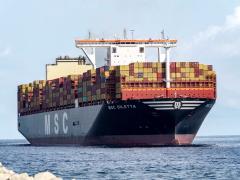
Research into the safety and economic implications of high cube container transport on the country’s public roads has yet to begin – with a service provider to undertake the research still to be appointed. The tender process for interested parties closed on March 29. Minister of Transport, Blade Nzimande, last
year called for a working group to be formed to formulate a plan to research the issue and make recommendations to him. After meetings between industry representatives and the Department of Transport (DoT), a tender was issued inviting offers for the production of a study to analyse the impact of high cube containers on the country’s transport system so that informed decisions
could be made on the way forward. Industry and the Department of Transport (DoT) have been at loggerheads for years over regulation 224 (b) of the National Road Traffic Regulations that restricts the height of cargo transporting vehicles to 4.3m. When the blanket moratorium allowing the movement of high cubes at 4.6m expired on
December 31, 2018, Nzimande suspended punitive measures on regulation 224 (b) until the end of the year – but he also wants a research report into high cubes on his desk by June this year. Several industry stakeholders last week said this deadline was highly unlikely as a service provider to undertake the research had not yet been appointed.
According to Mike Walwyn, one of the industry representatives on the working group driving the matter, the research is a crucial step in solving the overall high cube issue. “As industry, we maintain that high cubes have not caused any accidents on the road and are not a problem, but we have no research to back it,” he said. There’s no clarity on how many companies have put their hats in the ring or when the winning bidder will be announced. “The report is due on the minister’s desk by June,” said Gavin Kelly, acting CEO of the Road Freight Association (RFA). “It is highly unlikely that the research will be completed and a report drafted within two months.” Commenting on the impact that this would have on the moratorium and the possibility of it being extended, both Walwyn and
Kelly said industry was taking guidance from the government. “It really is wait and see at this moment in time,” said Kelly. Walwyn said industry continued to work with government on the matter and a series of meetings had taken place since a crisis meeting with Nzimande in October last year. “The next step would be to see if the DoT is willing to extend the time line, and if so, until when,” he said.
The research is a crucial step in solving the overall high cube issue. – Mike Walwyn