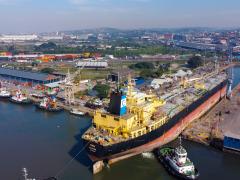
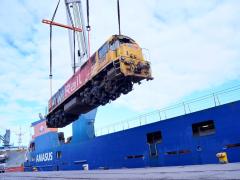
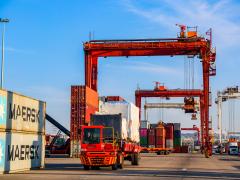
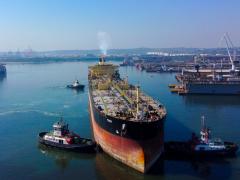
‘Relatively flat’ is how Safmarine describes shipping volumes out of the Port of Durban during the first quarter of this year – with a rather challenging trade environment for South African exporters, although inbound volumes have increased. “The strong rand and high crude oil prices have placed additional pressure on exporters,” says Roy Ramdiyal, Safmarine’s Kwazulu Natal regional manager. And adding to South African shippers’ woes were the teething problems experienced by the recent introduction of Transnet Port Terminals’ new IT system, Navis, at the Durban Container Terminal. “Teething problems are to be expected when introducing any new system. And the impact of these problems was felt throughout the industry as container moves dropped, vessels were delayed and landside productivity in the port was affected. The good news is that a lot of focus was placed on resolving these problems. “As Safmarine we tried to minimise inconvenience to our customers as a result of the system’s implementation by having staff on duty afterhours to assist our customers with any Navis and other associated issues they may have experienced outside of our standard business hours.” Ramdiyal says there’s been an overall improvement in productivity and performance levels in the Port of Durban, especially the interface between the port and the road and rail networks. But, although there’s light at the end of the port productivity and Navis tunnels, Ramdiyal remains concerned about the high crude oil price and its impact on exporters. “Unfortunately there’s little we as Safmarine can do about the oil price other than to be transparent in our charges to our customers. “We have done this by implementing a BAF calculator which is available to all our customers via our website.”
High crude oil prices force up shipping costs
Comments | 0
© Now Media. This content is protected by copyright and may not be adapted or republished. If you would like to discuss cooperation opportunities, please contact: editor@freightnews.co.za.