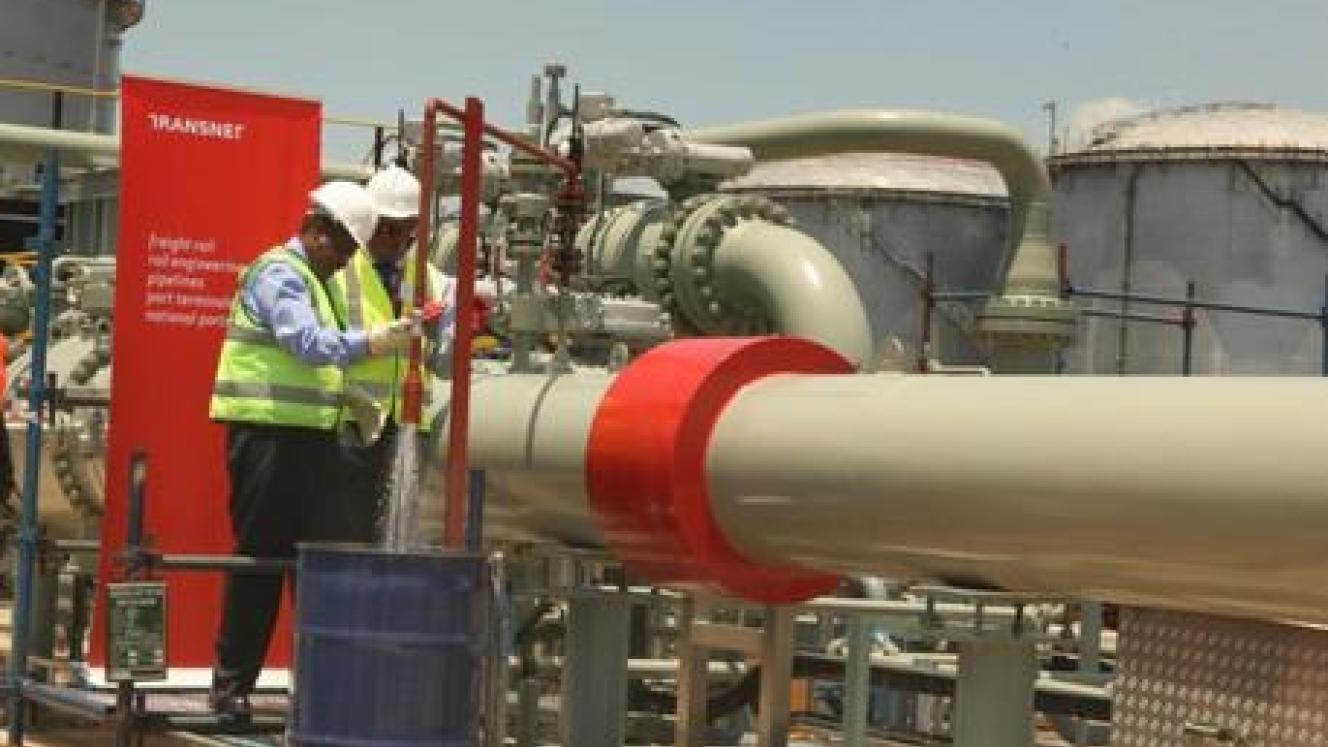
Against a background of growing trade prospects with southern Africa, South Africa has recognised that facilitating crossborder trade is key. “Zimbabwe is no exception,” says Core Freight Systems’ Jonathan Sims. “Given its common border with South Africa this presents opportunities for enhancing the efficiency of cross-border trade – both in terms of streamlining the physical movement of goods and the data required to process the movement.” Computer applications are expected to provide much more than the mechanism to frame an entry for submission of declarations to the revenue authorities, says Sims. “They rather provide a system for overall control and management of the business – and this is essential for success in an increasingly competitive logistics environment, not only for the individual operators but the overall economies, both nationally and as a region.” With several clients operating the CoreFreight application in African countries, the basic requirements do not vary from nation to nation, irrespective of the individual independent customs authorities, says Sims. “We have the ASYCUDA output available for SA-Zimbabwe trade clearances but believe that this is only one aspect of the potential to be realised through the use of modern computer technology. It delivers the ability not only to interface with other systems as required but also contributes to internal efficiency gains.” And he believes the primary challenge in Zimbabwe is no different from South Africa – “providing the appropriate expertise and support structure to optimise the operation of the application by the users.” INSERT & CAPTION Streamlining the physical movement of goods and the data required to process the movement. – Jonathan Sims
Helping enhance efficiency of cross-border trade
Comments | 0
© Now Media. This content is protected by copyright and may not be adapted or republished. If you would like to discuss cooperation opportunities, please contact: editor@freightnews.co.za.