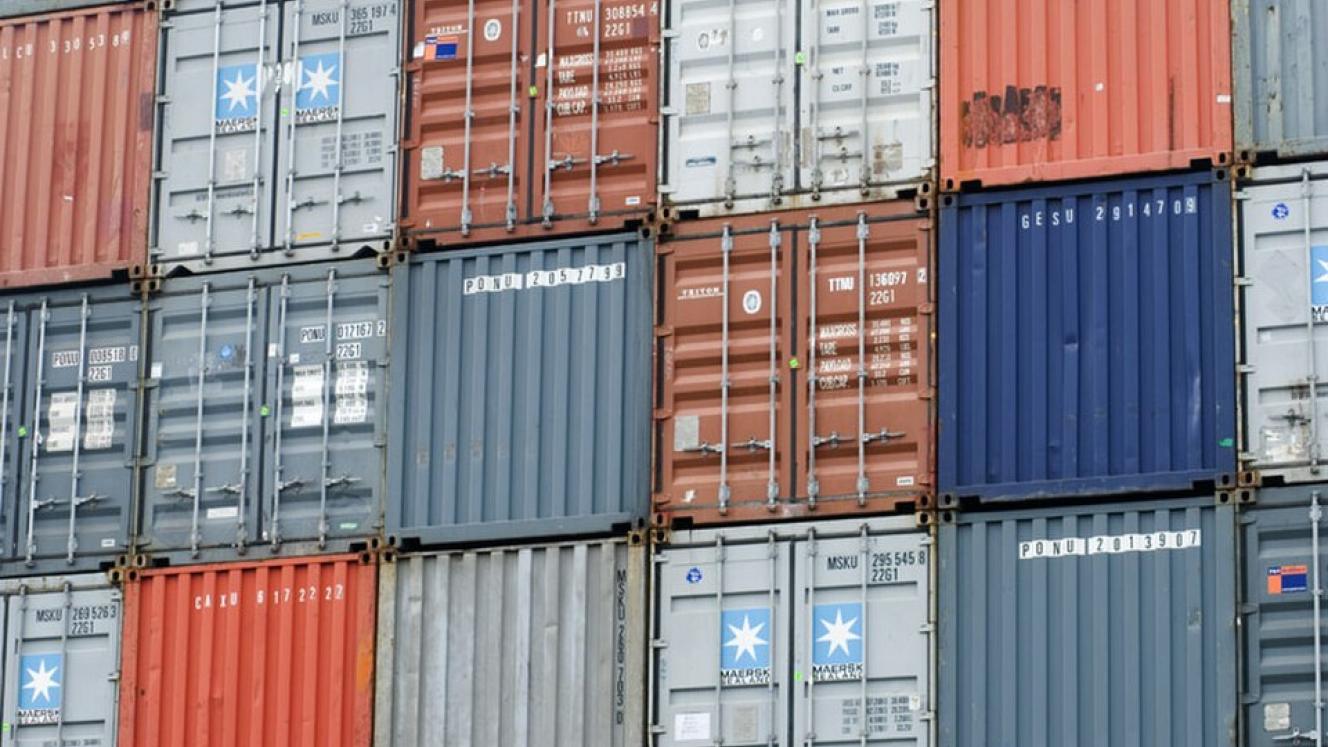
While imports and exports have registered double-digit growth for Safmarine this year, the growth comes with a word of caution from Africa region executive Jonathan Horn. “Clearly the financial crisis is tapering off but is still playing out to some extent, especially in the large consuming nations of Europe and the USA. Unemployment continues to be a problem, households are still shedding debt and banks are still faced with write-offs, Final recovery ultimately depends on consumption growing,” says Horn. The trend in South Africa has however mirrored that of Africa, says Horn. “While the rate of growth recovery has been somewhat surprising between late 2009 and mid 2010, the sustainability of this needs to be looked at with some caution. “Rates in Africa have increased over 2009, but on average remain some way below 2008 levels. Clearly there is variation across locations and trades but we believe that rate levels on average remain some way below where they need to be to ensure sustainable profitability for shipping lines.” Export volumes from East and West Africa grew in 2009, despite the recession. And this trend has continued through 2010, with the largely commodity-driven exports from this region delivering doubledigit growth. “South African exports, however, were well down last year, reflecting the difficult trading conditions experienced by most of our customers. In 2010 however, this has turned around in line with the economic recovery and we have seen a return to growth.” From an import perspective, Safmarine experienced volume growth in 2009 in both East and West Africa – and this trend has continued into 2010 In South Africa there was a contraction in volumes last year in line with the market, but this year imports have delivered strong growth, much of it fuelled by the 2010 World Cup.” Overall, Africa remains import dominant, with imports comprising roughly two thirds of the container flows. South Africa, typical of an economy which has higher levels of value add, reflects a more balanced situation between imports and exports, he said.
Growth sustainability depends on financial health of trading partners
Comments | 0
© Now Media. This content is protected by copyright and may not be adapted or republished. If you would like to discuss cooperation opportunities, please contact: editor@freightnews.co.za.