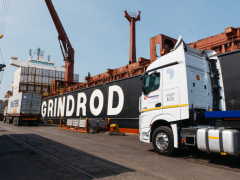
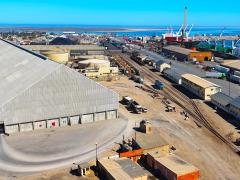
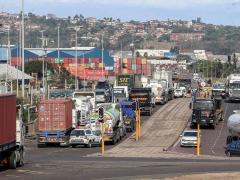
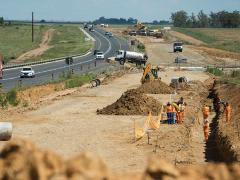
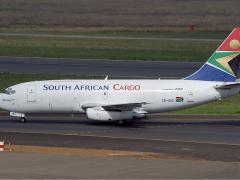
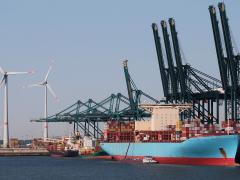
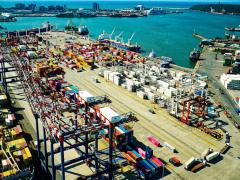
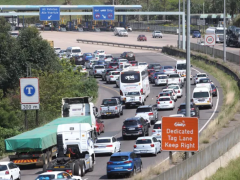
Freight volumes into Zambia are rising significantly, with stronger demand evident in both cross- border loads and secondary distribution within the country. According to Paul Cunliffe, managing director of 4PL, the company has recorded continued growth in its consolidated freight service to Zambia, while full-load container volumes have also increased substantially. “The growth highlights the need for reliable and efficient services into Zambia, supported by domestic distribution capable of moving cargo beyond the primary delivery points,” he told Freight News. The company has extended its regional reach with the launch of a consolidated freight service into the Democratic Republic of the Congo (DRC), delivering as far as Kolwezi. The expansion supports its strategy of using Zambia’s central geographical position as a hub from which to grow its services within the country and across the wider region. Driving the growth is an upswing in cargo volumes in both directions, accompanied by a shift in the corridors used to serve the Zambian market. “The southern corridor is no longer the default option, with Walvis Bay becoming increasingly popular,” said Cunliffe. Mining and agricultural commodities are leading the increase. Agricultural volumes have benefited from good rainfall and improved electricity availability, while mining cargo has been supported by strong global demand for minerals required in the sustainable energy transition. He said at the same time more and more companies were realising the importance of having their products delivered on time. “There is real value in a consignment delivered in four days rather than stock sitting on the road for a week because of delays and inefficiencies.” This growing emphasis on speed and predictability is also contributing to the increased demand for consolidated freight services as more customers adopt just-in-time delivery models. “As long-term planning becomes more difficult, reliable just-in-time deliveries are becoming increasingly critical,” said Cunliffe. “We believe this is one of the main factors driving growth in our consolidated service.” He said 4PL’s focus on actively managing and safeguarding customers’ cargo throughout the journey was particularly important on routes where delays could disrupt production or leave businesses without essential stock. However, Cunliffe said operating the service was not without challenges. Poor road conditions remained problematic, while unpredictable border-crossing times affected transit times and ultimately increased costs. “This remains the biggest challenge facing operators on the route,” he said. “South African border posts are also not adequately equipped to handle the volume of traffic crossing them. Without meaningful government intervention and investment in infrastructure, border congestion will remain a significant obstacle.” Cunliffe said infrastructure upgrades and longer operating hours at critical border posts would significantly improve traffic flows and facilitate regional trade. However, he believes the economic potential of more efficien border crossings is being overlooked by governments. The consequences extended beyond delayed cargo and higher logistics costs, he said, as drivers were frequently forced to spend several days in queues without adequate facilities. “Those in authority should spend time living in a truck cab without ablution facilities or reliable access to clean water and food. Drivers are not on a camping trip. These are people who must endure these conditions for days at a time, and it is bordering on a humanitarian crisis.” Despite the challenges, Cunliffe said he remained cautiously optimistic about Zambia and the DRC. LV
Growing emphasis on speed and predictability
Comments | 0
© Now Media. This content is protected by copyright and may not be adapted or republished. If you would like to discuss cooperation opportunities, please contact: editor@freightnews.co.za.