South African vehicle exports declined in the second quarter of 2026 as geopolitical tensions, protectionist trade barriers and shipping bottlenecks disrupted international trade flows.
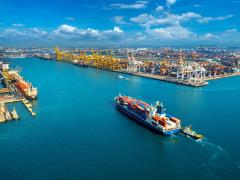
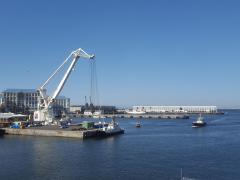
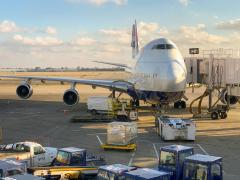
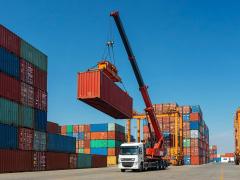
Vehicle manufacturers also reported continued congestion and slow freight movement through South Africa’s ports while some suppliers resorted to airfreighting critical components to prevent production interruptions.
Total vehicle exports fell by 5% year on year to 94 499 units during the quarter, from 99 465 units in the second quarter of 2025, according to the latest data released by The Automotive Business Council (NAAMSA).
Exports for the first half of 2026 were 7.6% lower compared to the corresponding period last year.
“Port congestion remained an ongoing challenge during the quarter while it was noted that some suppliers airfreighted critical parts to mitigate supply risks and to ensure the uninterrupted availability of materials and components in view of global disruptions,” NAAMSA said.
Export markets weaken
Passenger vehicle exports increased by 4.4% during the first six months of the year but light commercial vehicle exports declined by 30.4% amid a major model changeover and intensifying global competition.
Exports to the European Union, South Africa’s primary automotive export market, declined to 74 767 units during the second quarter from 79 588 units in the corresponding period of 2025.
Shipments to Asia and Australasia also weakened while exports to the Middle East were affected by ongoing conflict. US-bound shipments faced additional pressure from Section 232 tariffs.
However, exports to African markets increased to 10 857 units during the quarter, from 7 890 units a year earlier, supported by demand from Zimbabwe, Zambia and Togo.
Exports to the Americas also increased, driven by higher shipments to Canada and Mexico.
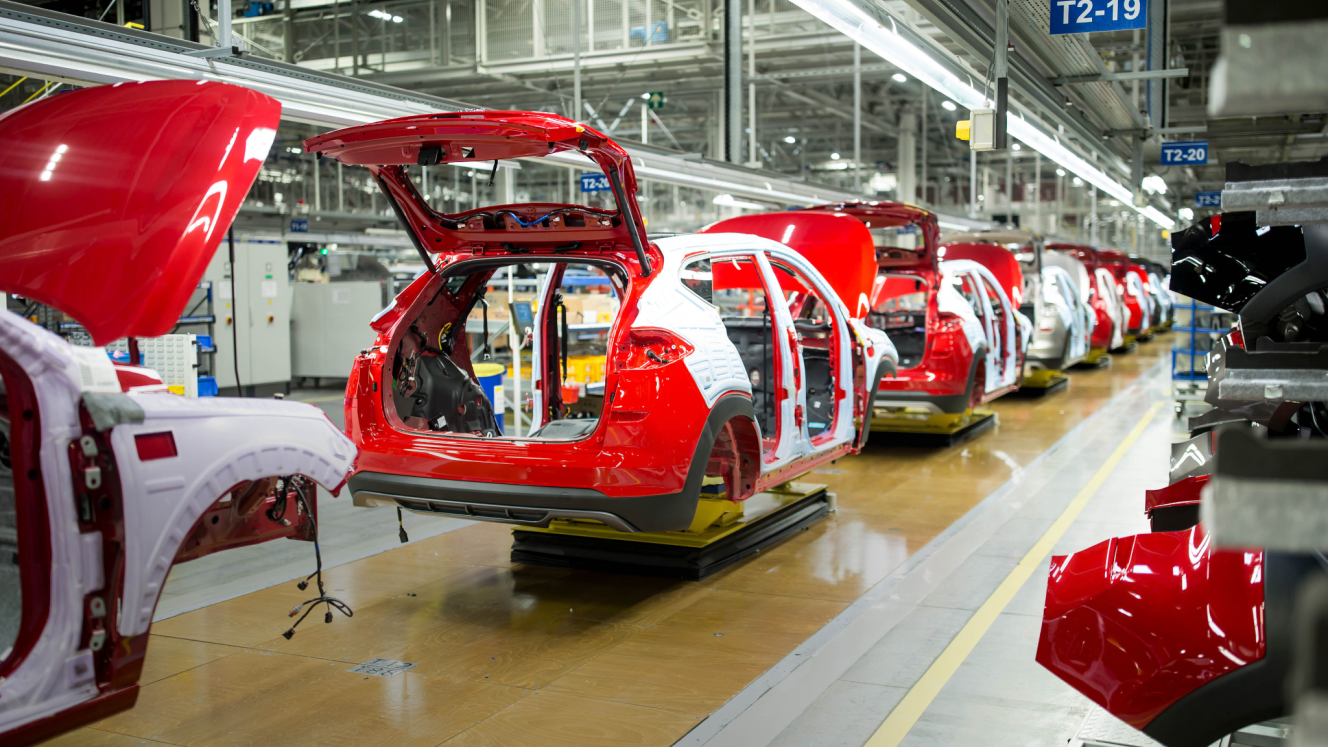
The decline in export demand weighed on domestic assembly operations with total vehicle production falling by 3% to 141 514 units during the second quarter.
The weaker operating environment included job losses. Manufacturers shed 230 jobs during the quarter, reducing total employment in the industry to 31 675 at the end of June.
Domestic sales rise
Domestic new vehicle sales increased by 13.4% year on year to 153 119 units during the second quarter, supported by strong demand for imported passenger vehicles and growing interest in new energy vehicles (NEVs).
NEV sales surged by 134.3% to 8 611 units during the quarter.
NAAMSA said uncertainty surrounding the global energy environment and its effect on economic growth, inflation, interest rates and business confidence is expected to continue affecting domestic and international economic activity over the next six months.