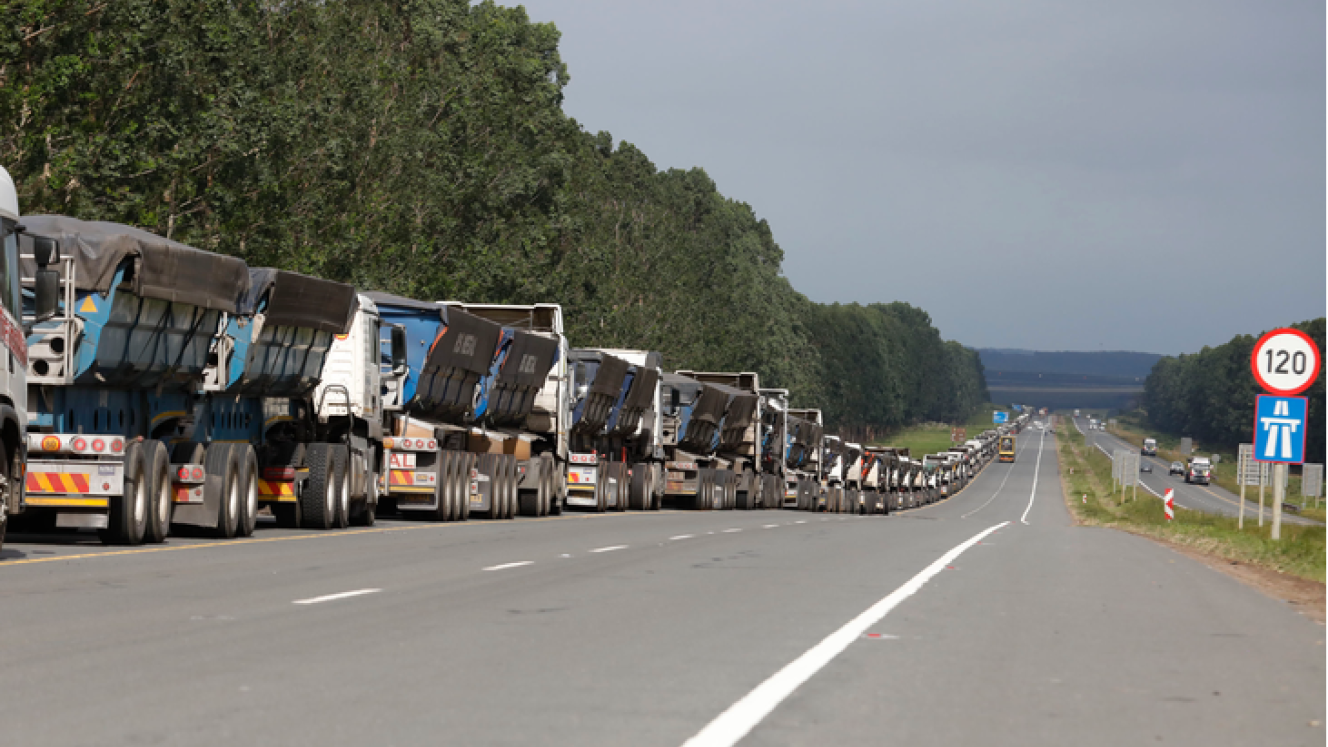
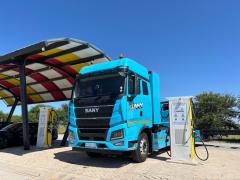
A commitment by motor manufacturers to greening their entire process, from the sourcing of materials through manufacturing to on-road use and final disposal, will impact on the logistics chain in the Eastern Cape and elsewhere. The commitment was highlighted by speakers at the 2011 South African Automotive Week (SAAW) conference held in East London in August. It was a precursor to SAAW 2012, which will be hosted in Port Elizabeth from October 10-13, 2012. David Powels, managing director of Volkswagen South Africa, said the industry was under intense pressure from its customers to go green. A Trends 2003-2010 tracking survey in 14 countries found that environment/ climate change was one of the biggest concerns of consumers and businesses alike. “Not harming the environment” was second only to “ensuring products are safe/ healthy” in the list of concerns. In South Africa, VW is the first auto company to employ an independent body – the Green Leaf Environmental Standard (GLES) – to audit its operations and those of its suppliers. VW is not alone, however. Johan van Zyl, president and CEO Toyota SA, said his company was as committed to being the global green leader in the auto industry. For the supply chain, this meant focusing on finding ways of improving logistics efficiency and reducing packaging. Efficiencies had already been achieved in the company’s Pinetown assembly plant. By stretching and modifying a 12-metre trailer used to carry components to 15 meters, delivery frequency was reduced from six to five, and load efficiency improved from 70% to 90%. Switching to direct deliveries between the port and the Toyota plant had also reduced carbon emissions by saving on the distances travelled.
‘Green’ issues put pressure on the supply chain
Comments | 0
© Now Media. This content is protected by copyright and may not be adapted or republished. If you would like to discuss cooperation opportunities, please contact: editor@freightnews.co.za.