South Africa is considering expanding private-sector participation in its Special Economic Zones (SEZs) as part of a broader overhaul of the country's industrial development programme aimed at attracting investment, strengthening exports and improving the performance of existing zones.
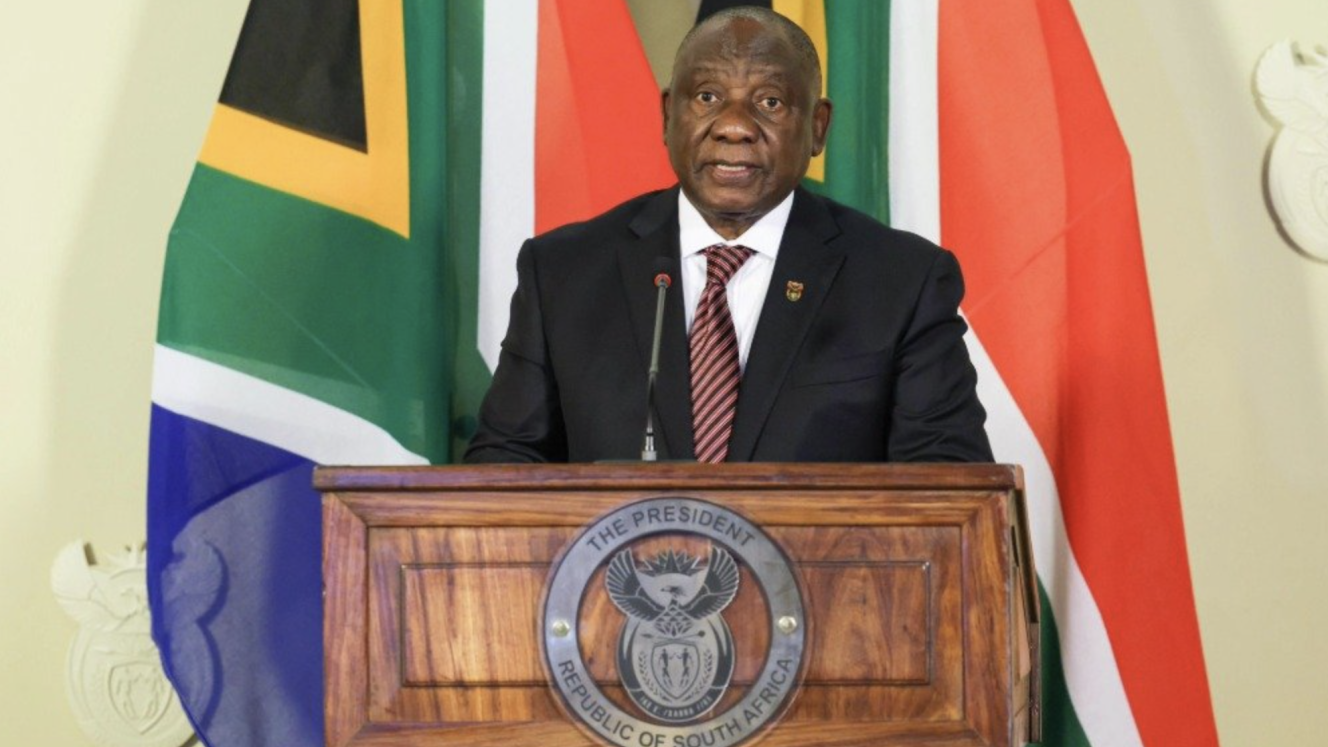
The policy direction emerged at the Second International Special Economic Zones Conference in Durban on Thursday, where President Cyril Ramaphosa said a World Bank review of the SEZ programme would inform reforms, including greater private-sector involvement in developing industrial parks.
"Special Economic Zones are not simply designated industrial sites. They are engines of economic transformation," Ramaphosa said.
The revised implementation model will introduce more private-sector-developed industrial parks, stronger non-financial incentives and a formal turnaround process for underperforming zones, Trade, Industry and Competition Minister Parks Tau said.
"We are tabling an independent World Bank review of our SEZ Programme, and we will use it to finalise a revised SEZ Implementation Model, one that brings in more private-sector-developed industrial parks, stronger non-financial incentives, and a formal process for turning around zones that are underperforming," Tau said.
Government will also introduce a 20-year SEZ development framework that includes five-year performance evaluations measuring investment, exports, job creation and SME participation, Deputy President Paul Mashatile said. Zones that consistently fail to meet performance targets could be restructured, repurposed or ultimately de-designated.
Future SEZ development will place greater emphasis on strategic freight infrastructure, with new zones assessed against factors including access to ports, rail and energy networks, existing industrial capacity and regional economic needs, Mashatile said.
Much of the record R890 billion in investment commitments secured during the Sixth South Africa Investment Conference would be channelled into the SEZ programme, including about R12 billion earmarked for the automotive sector, Ramaphosa said.
He said South Africa's SEZ programme had attracted more than R34 billion in investment, created more than 30 000 direct jobs and generated more than R14 billion in revenue.
South Africa's 13 designated SEZs across eight provinces currently host 224 companies that have invested a combined R31.7 billion. The programme has received R12 billion in government funding for bulk and top-structure infrastructure, while flagship developments such as the Tshwane Automotive Special Economic Zone have helped unlock significant private-sector investment.
The reforms form part of government's broader effort to strengthen the competitiveness of SEZs, improve accountability and position the zones as drivers of industrialisation, export growth and regional trade integration.