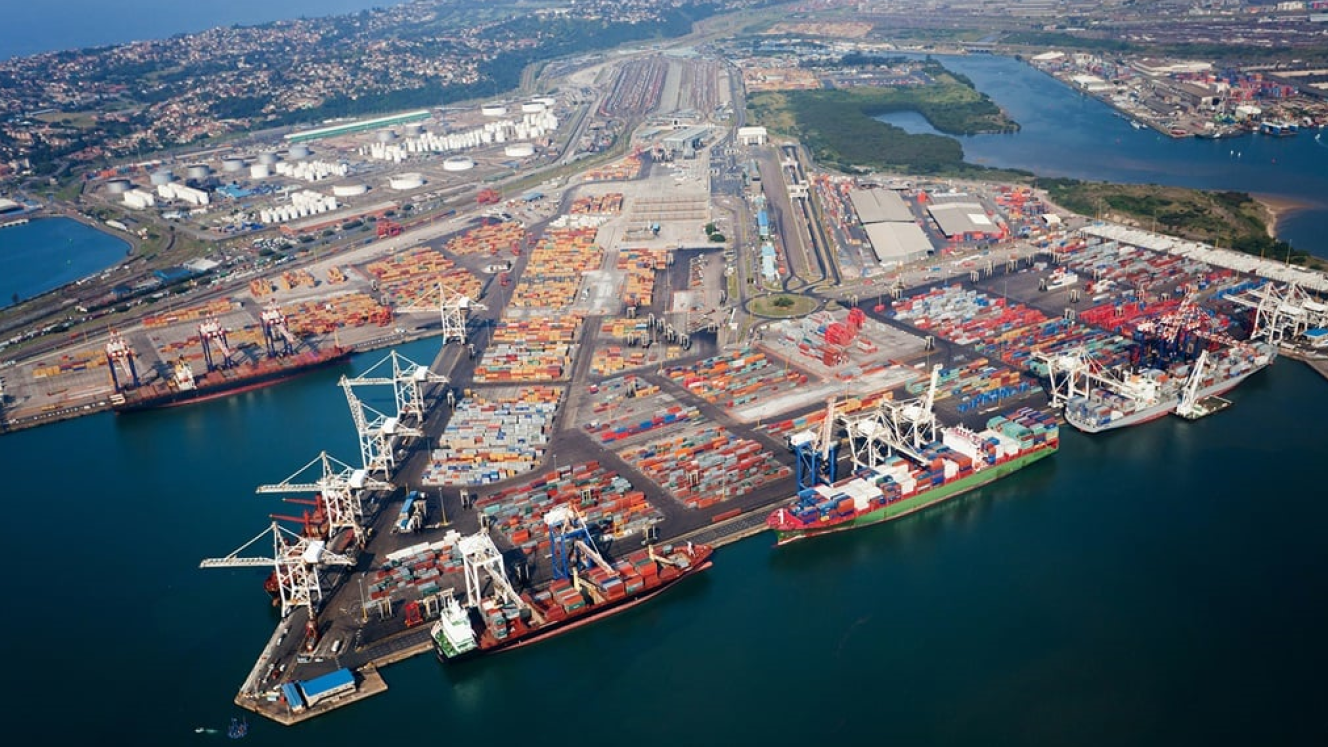
IF YOU think Gautrain is just a train, you are very much mistaken. It is one of the largest socioeconomic development projects in the history of South Africa. Since construction started in September 2006, the project has created or sustained more than 4 700 local direct jobs and it is estimated that a total of more than 25 400 direct, indirect and induced jobs will be created in the 2007/08 financial year which will increase to approximately 33 000 in 2008/9. Contribution to black empowerment amounted to a total of R590 million in 2007 and small, medium and micro enterprises (SMMEs) received a total of R70 million for services provided to the project. This contribution to the socio-economic development of the province in particular and the country in general is perceived to be of even greater importance than the relief to daily traffic congestion the 80 km, 10 station and bus link system is set to achieve. Supported by a dedicated fleet of 125 buses, Gautrain will be able to carry more than 100 000 passengers per day in each direction between Johannesburg and Tshwane. The delivery on its development mandate does, however, remain the key driver of this Public Private Partnership (PPP) project and earned it the Best Global Project to Sign award at the tenth annual Public Private Finance Awards held earlier this year. Canadian company Bombardier is a 17% shareholder in the Bombela Concession Company which holds a 20-year concession agreement with the Gauteng Provincial Government to design, build, operate and maintain the Gautrain. The first fourcar train set was handed over to Gauteng Premier Mbhazima Shilowa at its Derby assembly plant in the United Kingdom on July 8 this year. The Gautrain rolling stock of 96 rail cars is based on the Bombardier Electrostar series, which has been customised to meet SA requirements. The first 15 rail cars, plus the body shells for the complete fleet, will be manufactured at the facility in Derby. The body shells and some of the major components for the remaining 81 rail cars will be shipped to Union Carriage and Wagon (UCW) in Nigel for final assembly. Teams from UCW, who are presently at Derby being trained in the assembly of the rail cars, will constitute the core of the assembly teams when local production commences. The Electrostar rail cars are made suitable for local assembly through the use of bolted aluminium construction methodology. At maximum production rate, UCW will produce nine vehicles per month. Some R8.5 million is being invested in the UCW plant to accommodate the transfer of technology from Bombardier. The technology transfer takes the form of familiarisation, documentation, processes, tooling and training. It is anticipated that that over 85 additional jobs will be created at UCW to fulfil the Gautrain project. The successful production of Gautrain could lead to further opportunities for UCW to compete for future Gautrain derivative vehicles elsewhere in the world. The upgrade of their facility will also allow UCW to carry out repairs and heavy overhauls on the Gautrain fleet, should this be required. In order to meet the requirements for safety at higher speeds and easily obtain state-of-the-art rail cars, Gautrain will operate on the standard gauge track. Measuring 1 435 millimetres between rails, this is the predominant track gauge internationally. Premium quality rails have been imported from Corus Steel, one of the world’s leading rail suppliers based in France. The rails were shipped to Durban harbour from where they were transported by abnormal load trucks to Gauteng. Here they will be welded into continuous lengths, producing a jointless track and thus ensuring a smooth and quiet ride. Track laying operations have already started at the Gautrain Midrand Train Depot, where the train sets will also be housed and undergo regular preventive and corrective maintenance. As train maintenance requirements and equipment are highly specialised, dedicated technicians will be recruited locally and specially trained to maintain Gautrain according to the original equipment manufacturer’s specifications. Bombardier’s commitment to skills transfer also includes the local recruitment and training of drivers, as Gautrain’s driver compartments and control systems will have more advanced features than other trains presently running in South Africa.
Gautrain is one of largest socio-economic projects in SA’s history
Comments | 0
© Now Media. This content is protected by copyright and may not be adapted or republished. If you would like to discuss cooperation opportunities, please contact: editor@freightnews.co.za.