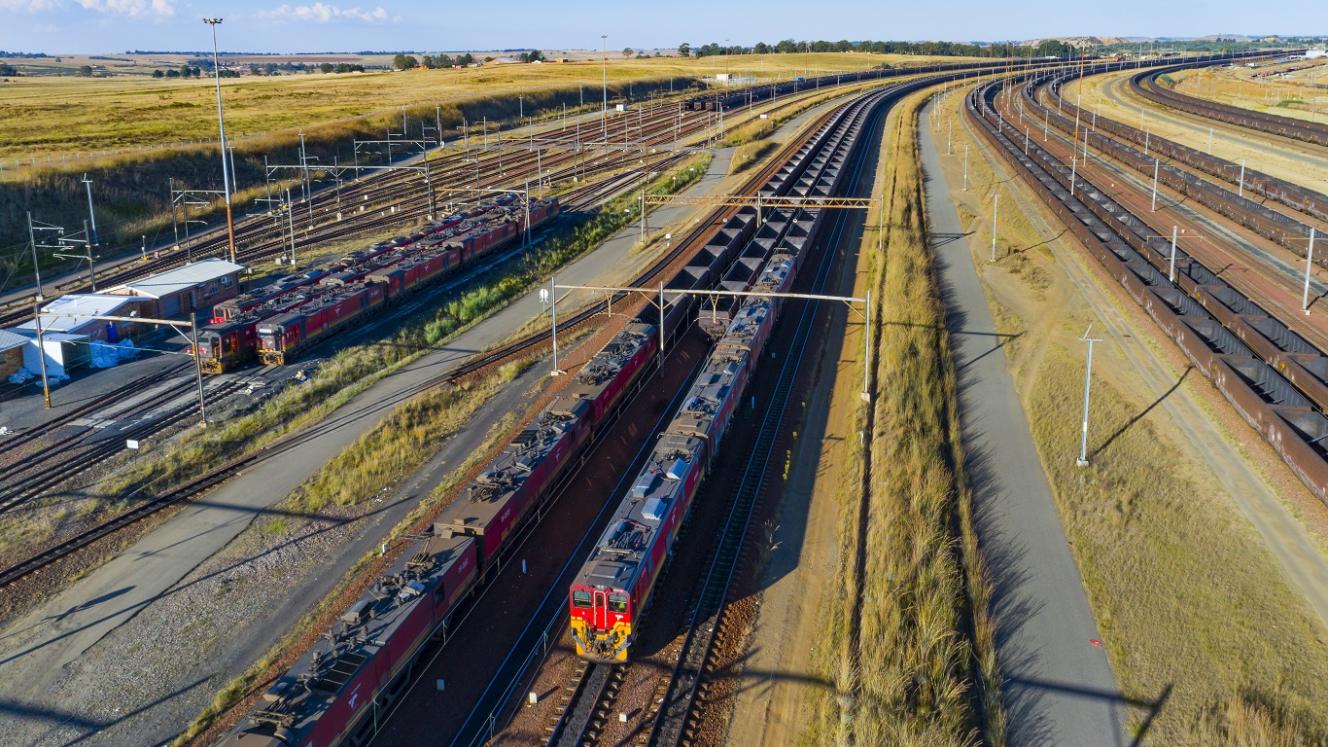
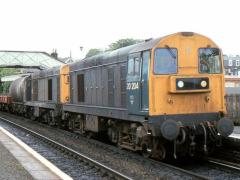
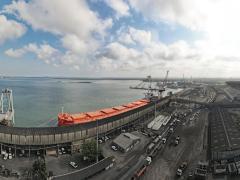
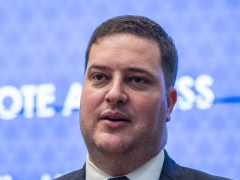
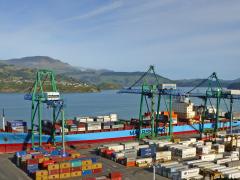
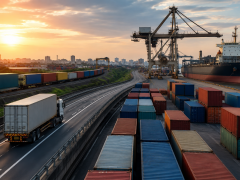
Gaining a bigger share of container traffic is a key theme of Transnet Freight Rail’s five year capital plan and involves imports, exports and transhipment containers. “Our projects cut across rail and ports and focus on Ngqura and Cape Town – and while the timing of the capital spend will be impacted by the global economic crisis, the amount of capital is significant by any measure,” TFR CEO Siyabonga Gama told FTW. Over the past five years the container market in South Africa has grown at around 10% per annum, twice the rate of GDP. “And it will continue to grow with a global recovery,” says Gama, who sees further opportunity for growth through the creation of a transhipment hub to create exposure to African and global container flows. “TFR has a very low share of the longhaul container market in South Africa,” Gama said. “We estimate this is between 20-25% of the longhaul container market beyond a 300km radius from the main ports. “Typically this is a market that is railfriendly and given our low share, this is a growth opportunity for us even if there is limited overall market growth.” Recognising the significant impact of improved logistics flows on GDP growth, Gama points to a recent study undertaken in Malaysia. The study estimates that a 15%-20% reduction in logistics costs (direct and indirect) will increase GDP by 1.5-2%. And there are two levers to drive any improvement in logistics – building critical infrastructure and improving the flow of goods through existing infrastructure. While TFR’s capital expenditure programme has been well documented, when it comes to improving the flow of goods through existing infrastructure, Gama believes its corridor approach is making a difference. “We are essentially taking an end to end view of the container supply chain and have created forums for our operating divisions to work together to provide seamless solutions for our customers. “This extends not only to the commercial front but also operations that are necessary to underpin our customer offerings. This approach enabled us to run 375 trains per month towards the end of 2008, a 25% increase compared to April 2008. “It’s the basis for our partnership with Maersk, which admittedly has had normal teething problems, but on the whole has worked well and is a model we are looking to expand.” Building on the insights of the Malaysia survey, TFR set out to understand what share of rail versus road would minimise the total supply chain costs for container customers. And this includes the direct logistics costs like rail tariffs, and indirect costs like inventory and lost sales, which tend to be at least as large as direct costs. “The answer is around 60% share of the important Durban-Gauteng route and 75%+ of the Cape Town-Gauteng route,” said Gama. “Our market share is nowhere near these numbers and we are determined to capture this opportunity to create a win-win for our customers, ourselves and South Africa,” he said.
Gama pushes transhipment hub concept
Comments | 0
© Now Media. This content is protected by copyright and may not be adapted or republished. If you would like to discuss cooperation opportunities, please contact: editor@freightnews.co.za.