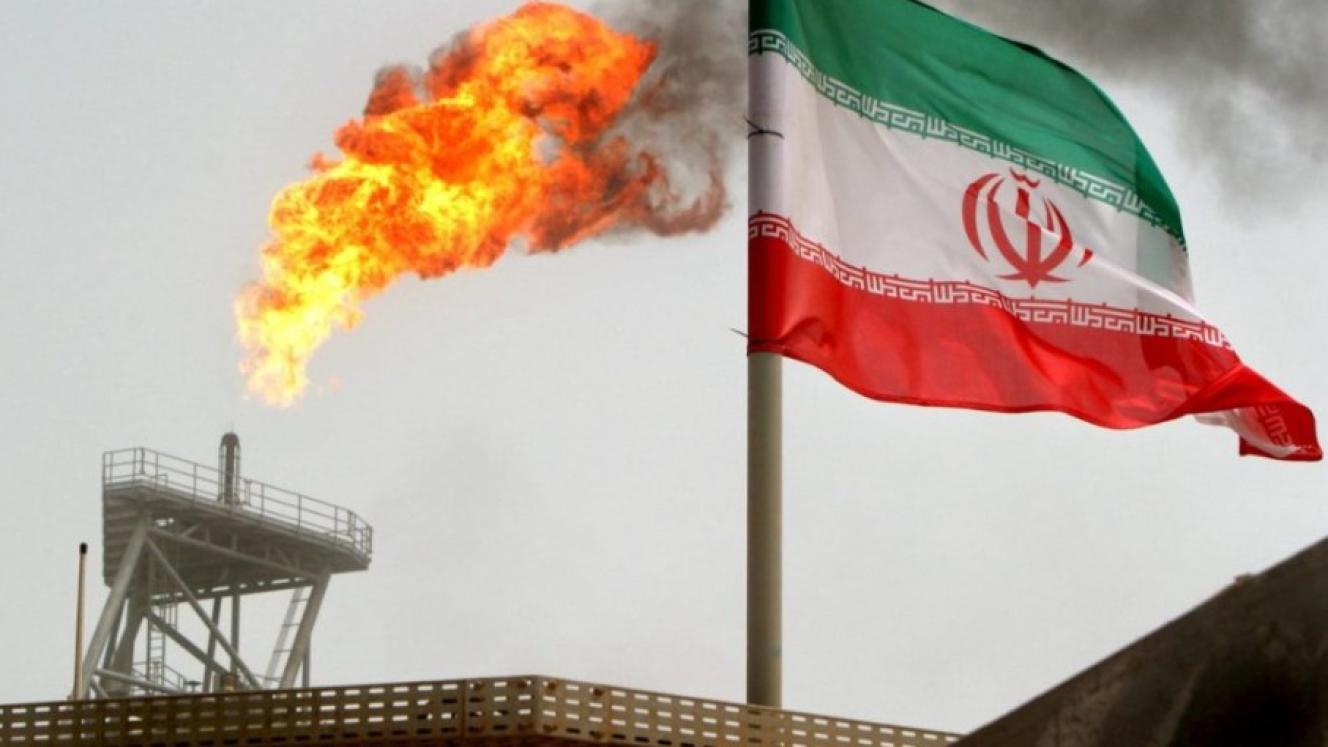
Volatility in the oil price because of the Middle East conflict is fomenting fears that the fuel price could spike by as much as R4 for petrol and R7 for diesel – the latter’s exposure to the conflict especially being a serious concern for the local transport industry.
Since the US-Israeli strikes on Iran began on February 28, when Brent hovered at about US$60-65 per barrel (/bbl), both benchmarks, including West Texas Intermediate (WTI) skyrocketed amid supply chain disruptions through the Strait of Hormuz, QatarEnergy stopping production of liquefied natural gas, and tanker attacks in the Gulf.
Whereas Brent and WTI had pre-war baselines of $62-65/bbl and $58-60/bbl, prices surged by 25% to peak at $119 for both grades as the war entered its second week.
On Tuesday, after US President Donald Trump had said that the war was “ahead of schedule” and could end “very soon”, both benchmark prices had pulled back to less than a hundred dollars per barrel.
However, fears remain that, as long as the US and Israel pound Iran and the Islamic Revolutionary Guard Corps continue to threaten any maritime movement in the Strait of Hormuz, the oil price will remain volatile.
But whether fears of a fuel price shock are going to materialise any time soon, is “all speculation at the moment”, says Gavin Kelly, chief executive of the Road Freight Association.
He says South Africa is “caught in a triple vice”.
“We have a very weak currency against the dollar, which is the primary currency wanted by those who sell oil; the risks coupled with supply and demand drives the price of oil northwards; and we have no viable energy or transport alternatives to motorised freight, passenger and private transport.”
Should oil prices continue to seesaw and price reverberations affect the rand, which has had a good rate against the dollar, consumers should brace themselves for possible price shocks because of rising transport costs.