It’s all systems go for 2017
as an uptick in commodity
prices signals a more
positive outlook for crossborder
trade, according to
French line CMA CGM.
“We expect higher volumes
due to an increase in mining
commodity exports and
more imports of agricultural
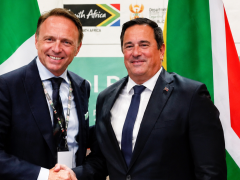
commodities,” said Anton
Potgieter, director of the line’s
Inter Africa department.
“Exports will generate foreign
currency and that will in turn
finance more imports,” he said.
“The drought in the region
is pushing up agricultural
imports and aid, while mining
commodity prices have
recovered from 2015-2016 lows,
which bodes well for volume
growth in the coming months.”
He said at the same time the
organisation was seeing a slight
increase in intra-regional trade
which was set to increase even
more as commodity-reliant
economies recovered from the
mining slump.
“Intra-regional trade is the
future for Africa but it does
hinge on the recovery of local
currencies which would boost
imports.”
Potgieter said CMA CGM was
aggressively targeting the crossborder
market with the goal of
building strong supplier bases in
certain African regions.
“We will offer complete
supply chain solutions to end
customers and shippers,” he
said.
Regional intermodal manager
for Southern and Eastern
African countries,
Benjamin Coston,
added: “This year we
plan to explore new routes
on a through bill basis linking
some South African and
Swaziland cities to the Maputo
corridor. We are also planning
to propose an alternative to rail
by exploring a roadhaul solution
between Malawi and Nacala in
Mozambique.”
Addressing some of the real
challenges in the overborder
market, however, must remain
a key target for both the public
and private sectors.
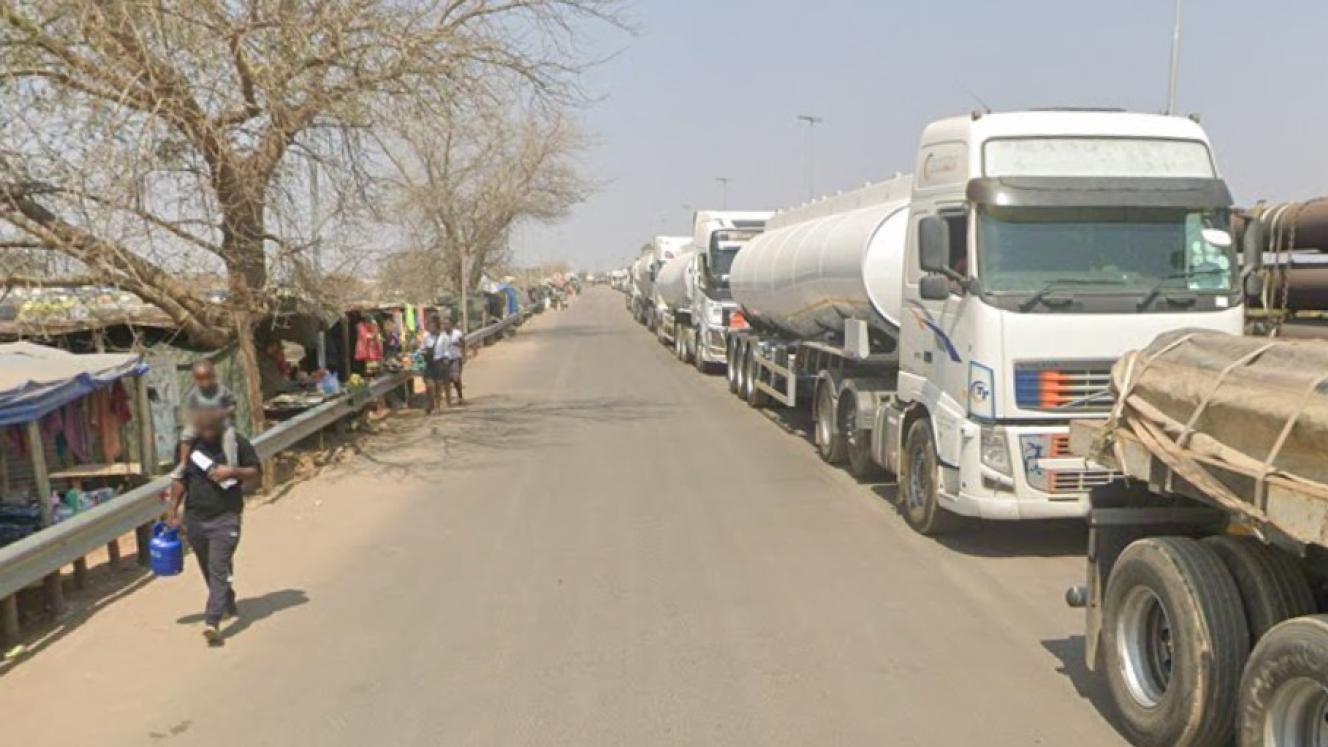
“Delays at border posts are
still an issue and it inf lates the
market price to customers,” said
Potgieter, who believes that
the increased use of rail when
moving cargo across borders is
a viable solution.
“Trains
don’t stop at
borders but go
directly to terminals
and sidings. Rail needs to
become more competitive.”
Coston believes it’s just as
important to address the complex
customs procedures at border
posts which vary significantly
from country to country – even
when in the same region.
“The digitalisation of customs
procedures between various
customs authorities can only
help make the overall process
smoother.”