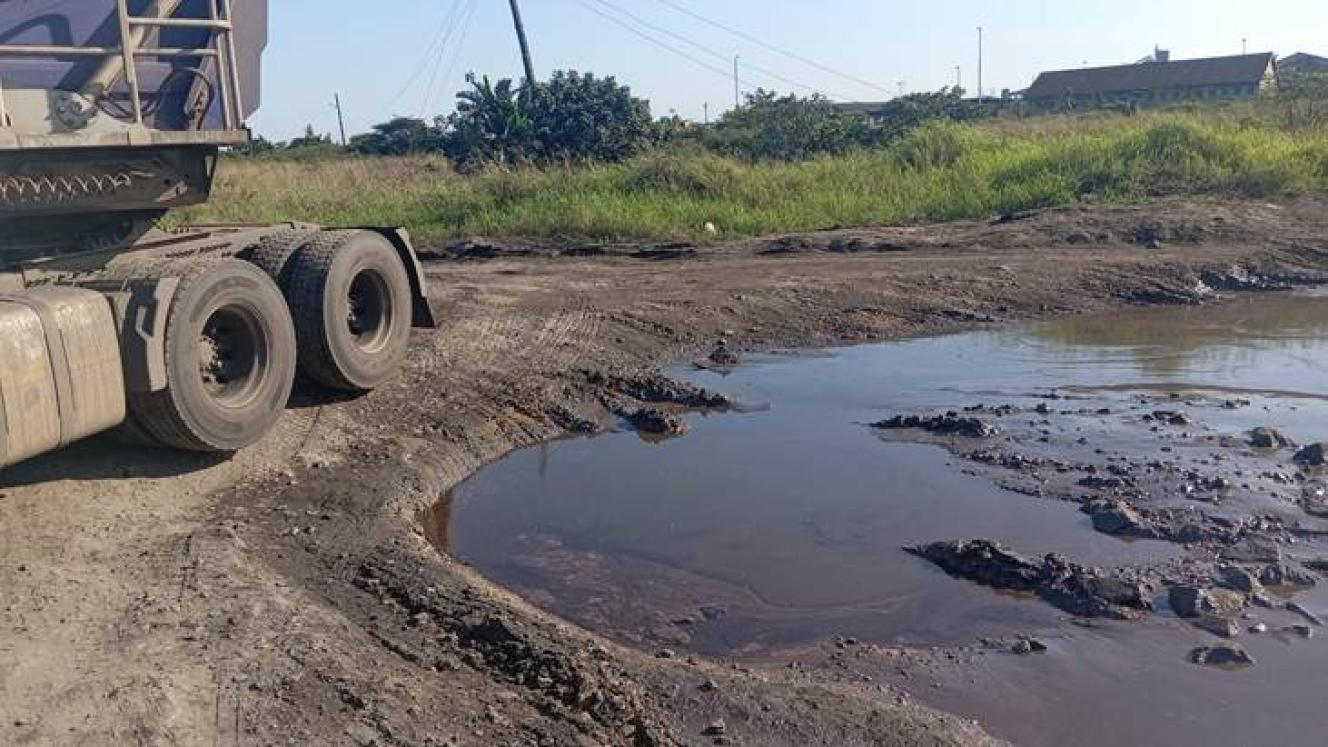
Instability of the kwacha, which has been fluctuating widely over the past 18 months, has had a major impact on business confidence. It was one of the main points of conversation during FTW’s visit in June, at which time it was once again on a downward spiral. The kwacha is the continent’s worst performer this year after Ghana’s cedi. The impact is such that Bureaux de Change across Lusaka did not have any physical kwacha to exchange – they did not want to take the risk of holding a currency whose value could drop significantly over the course of a single day. Hauliers, clearing agents and shipping companies were affected as government regulations introduced in 2012 forced them to quote in kwacha for domestic transactions, although many of their costs were in dollars. The kwacha depreciated by 13% against the dollar in the first half of 2014 – a trend which analysts ascribe to a falling copper price. In March the government lifted the ban on the use of dollars for domestic transactions in order to ease pressure on the kwacha. Further support came in June when the Bank of Zambia increased the maximum amount lenders could charge for credit from 21% to 28%. The kwacha started holding steady in July. Some major investors have shelved plans until the kwacha stabilises. Steel roofing company Safintra Zambia has postponed a plan to open a new branch in Solwezi due, it said, to continued volatility in the foreign exchange market coupled with hikes in electricity and fuel. A bigger impact on the regional economy – and the freight industry – comes from a decision by First Quantum Minerals (FQM) to delay investment projects worth more than US$1 billion in Zambia due to uncertainty over the fiscal regime. Businesses are also unhappy about delays in the repayment of VAT. In June the mines minister, Christopher Yaluma, told a conference that the government was holding around US$600m in VAT repayments because the mines had not presented certificates from the countries that had imported the copper, cobalt and other commodities. Mining companies have countered by saying it is difficult to comply because their copper is often sold to trading companies and cannot be traced. Government said the measure was introduced in order to curb tax avoidance. CAPTION Tanzanian cup copper: The economy in motion – copper exports continue to drive the Zambian economy.
Fluctuating Kwacha slows growth
Comments | 0
© Now Media. This content is protected by copyright and may not be adapted or republished. If you would like to discuss cooperation opportunities, please contact: editor@freightnews.co.za.