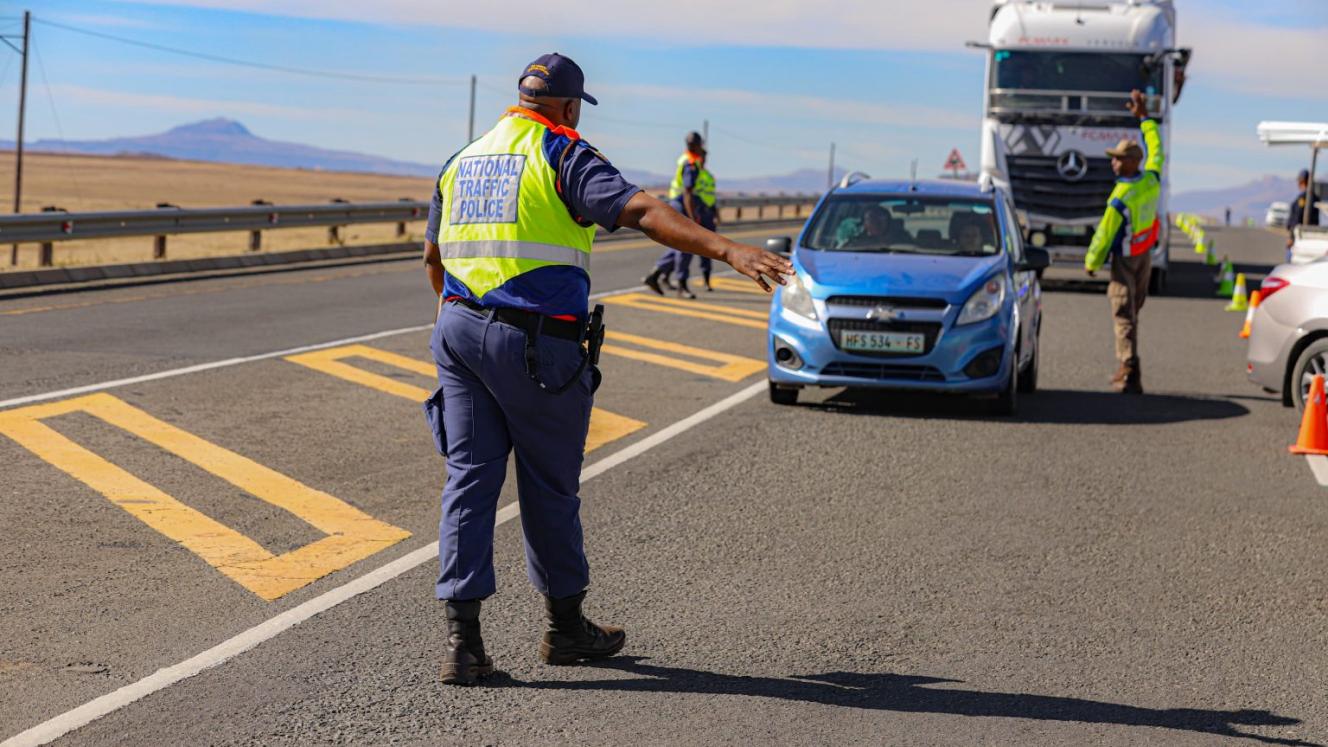
Unresolved traffic infringements can prevent freight operators and drivers from renewing vehicle licences and professional driving permits although the Administrative Adjudication of Road Traffic Offences (AARTO) points demerit system has not yet taken effect, the Road Traffic Infringement Agency (RTIA) has warned.
The administrative infringement system is being expanded under Phase 2 of the AARTO rollout, which began on July 1. Demerit points and associated licence suspensions are not part of this phase, RTIA spokesperson Monde Mkalipi told Freight News.
“Phase 2 involves the wider implementation of AARTO’s administrative infringement system,” Mkalipi said. “Municipalities will also be moving from Section 56 notices under the Criminal Procedure Act to AARTO infringement notices.”
Road users have specified periods within which to respond to infringement notices. Options include paying the penalty, submitting a representation to contest the infringement or requesting an instalment arrangement. Where applicable, companies can nominate the driver responsible for an infringement involving a company vehicle.
Failure to respond can ultimately lead to an enforcement order, which blocks the issuing of documents through the National Traffic Information System, including driving licence cards, vehicle licence discs and professional driving permits, according to the RTIA.
These administrative blocks are separate from the licence suspensions that would result from accumulating demerit points under a later phase.
The points demerit system and driver rehabilitation programme will be introduced in later phases, Mkalipi said. The timing has not yet been announced by the Minister of Transport.
The expansion faced legal opposition. As previously reported by Freight News, the July rollout proceeded after the High Court found that the South African Local Government Association’s urgent application to halt implementation lacked urgency. The court did not rule on the merits of its challenge.
The Organisation Undoing Tax Abuse (OUTA) also launched a challenge in July, raising concerns about legal safeguards, including the Appeals Tribunal. It subsequently decided not to proceed with urgent relief on the tribunal ground after RTIA disclosed details of its members and appointments. OUTA said it will continue its broader challenge to AARTO.
Fleet owners should establish workplace systems to educate drivers and managers about their responsibilities, Mkalipi said. The RTIA is also conducting legislative training workshops for companies.
Driver workshops and reviews of driving and safety policies will help operators prepare, South African Freight and Logistics Association Founding Executive Officer Dave Logan told Freight News.
Employment documentation should also be reviewed ahead of the introduction of demerit points, he said.
“Companies should revise their drivers’ letters of appointment to ensure they include the consequences if they accumulate demerit points that result in their licences being suspended or if they lose their licences altogether,” Logan said.
Licence suspensions also have potential insurance implications.
Santam’s Executive Head: Agriculture Crop and Heavy Haulage, Daniel Stevens, told Freight News that a driver’s licence suspension does not automatically invalidate the insurer’s heavy haulage commercial vehicle cover as individual driver details are not required when the policy is initially underwritten.
However, insured businesses are required to have procedures ensuring only legally licensed drivers operate insured vehicles, he said.
Allowing a driver with a suspended or disqualified licence to drive could affect the outcome of a claim, particularly if the business cannot demonstrate that appropriate procedures are in place to vet drivers before employment, Stevens said.