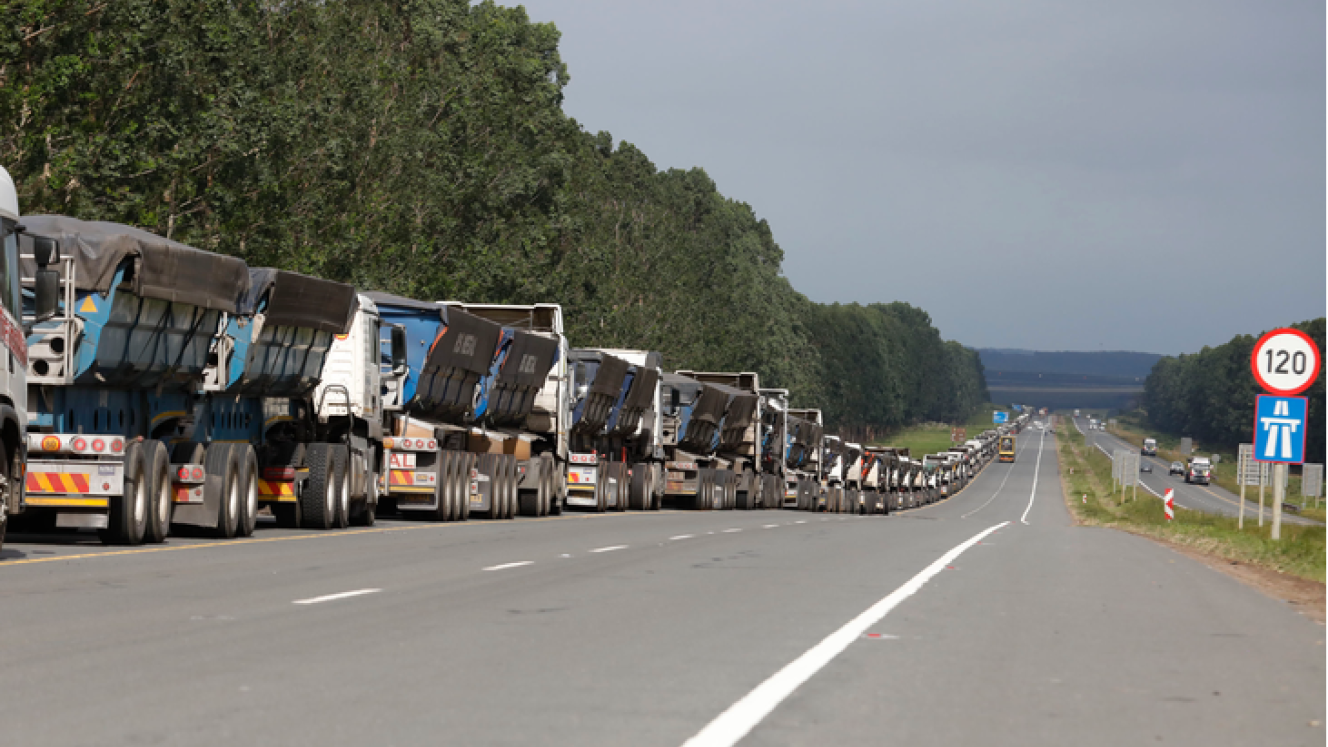
MBABANE – Blame it on global warming but extreme temperatures buckling metal rails, rather than human error, are believed to have caused the derailment of an SA train that shut down a main rail transit line in Swaziland from January 17-20. Hot weather is usual during the high summer months at Swaziland’s lowveld Lubhuku area where the derailment occurred, and the effect on rail infrastructure proved destructive. “High temperatures which were experienced in the Lowveld might have caused the accident. There is a proven theory which states that when it is very hot railway lines tend to expand, and they move from their original positions. This can cause the trains to overturn,” Stephenson Ngubane, CEO of Swaziland Railway, told a media briefing. Sixteen wagons bearing magnetite ore from Phalaborwa overturned on an eastbound SA train headed for Richard’s Bay, spilling their contents shortly after departing the Swaziland Railway terminal in Mpaka. A two-man Swazi crew had assumed control of the train, and neither was hurt in the accident. Swaziland Railway earns about three-quarters of its revenue from transit traffic en route to KwaZulu Natal that passes through Swaziland from SA, Zambia and other interior subcontinental points of origin. A communications system in place to notify regional rail companies of disruptions proved effective following the magnetite train incident. “We have informed our partners in neighbouring countries about the accident and the damaged railway line. We did this so that they can stop their trains from coming to this side,” Ngubane said. About 20 trains would have used the rail route from Mpaka to LaVumisa at the SA border during the time the line was closed for spillage cleanup and rail line rehabilitation.
Extreme heat derails RB-bound train
Comments | 0
© Now Media. This content is protected by copyright and may not be adapted or republished. If you would like to discuss cooperation opportunities, please contact: editor@freightnews.co.za.