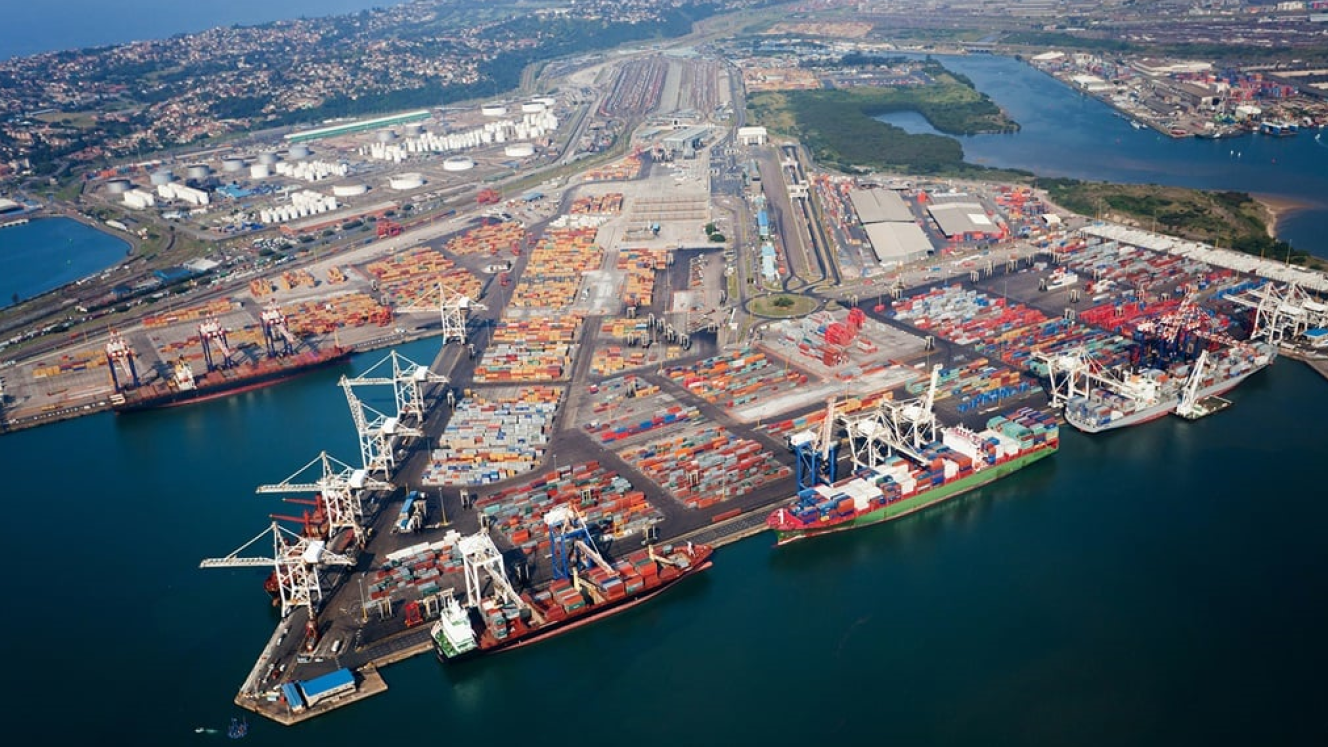
Developing countries like South Africa cannot rely on exports for sustained economic growth, Unctad’s Trade and Development Report 2010 (TDR) warns. Export-led growth ambitions will meet with increasing constraints now that the “debt-financed consumption boom” in the United States has ended. This has far-reaching implications for countries like South Africa, where billions have been invested in industrial development zones and the growth of export-focused manufacturing. It will also impact on the freight industry, with world trade unlikely to reach the boom levels again soon. The US economy will no longer serve as an engine of growth for the global economy, the report says. China, the Euro area and Japan are not likely to assume this role in the foreseeable future. Policies for sustainable economic growth, job creation, and reductions in poverty should be based on establishing a balanced mix of domestic and overseas demand, the study advises. The TDR 2010 points out that not all countries can succeed with export-led strategies at the same time – there have to be buyers, as well as sellers of goods. Global export markets are also likely to grow much more slowly than during the years preceding the global recession, making the pursuit of such strategies increasingly difficult. Finally, competing for export success by keeping labour costs low leads to a “race to the bottom” in wages that is counterproductive for reducing poverty and creating jobs. Instead, countries should try harder than in the past to create a virtuous circle of high investment in fixed capital that leads to faster productivity growth and corresponding wage increases.
Exports no longer a ticket to growth
Comments | 0
© Now Media. This content is protected by copyright and may not be adapted or republished. If you would like to discuss cooperation opportunities, please contact: editor@freightnews.co.za.