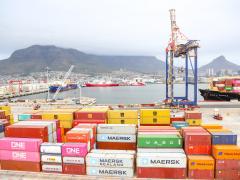
Escalating diesel and electricity costs are driving environmental awareness as shippers and suppliers increasingly recognise the cost benefits of a reduced carbon footprint. It’s a concept that the export industry is increasingly taking on board as South Africa’s carbon calculator initiative – a project initiated by the fruit and wine industries – shifts its focus beyond growers and producers to the export market. The Confronting Climate Change (CCC) carbon footprint tool is designed for all segments of the industry – from growers and producers to exporters – and according to Cape Town-based project co-ordinator Shelly Fuller, it’s gained considerable momentum over the past two years, particularly in the fruit industry. “We’ve released reports internally that provide comparative information on the number of kilowatt hours consumed per ton of fruit in different regions based on the data that the CCC is starting to gather. Exporters can see how many kilowatt hours they are using and where they fit in. And in terms of a big hitter like fuel, this is a big motivation to reduce carbon footprint and therefore cost,” says Fuller. The export market has been a far easier sell than producers and farmers, she says, because of the continuing demands for a carbon footprint trail from international markets. While these markets are not looking at the numbers, exporters must be seen to be calculating their footprint – and have therefore bought into the idea of the carbon calculator tool which is available at no charge. “Exporters are the interface between the retailer and the grower, and the retailer will only accept fruit if it meets certain criteria – carbon footprint calculation being one of them.” Some of the key fruit exporters have taken it on board, putting pressure on growers – so it’s still a stick rather than a carrot approach – but what’s important is that the numbers are growing. The organisation is building success stories about companies implementing renewable projects that allow them to reduce energy. “It may initially be expensive, but it is doable – and the bottom line is cost savings.” Fuller believes that international legislation governing carbon miles is a long way off. “Five years ago some major retailers tried to label the carbon footprint of all products – particularly fresh produce – but they had to take a big step back because there are so many complexities in putting a number on a particular product,” she said. There’s also evidence that with the enormous amount of nutritional data provided, consumers are overwhelmed by the information overload. Retailers do however insist on sustainable sourcing and the carbon calculator is a user-friendly means of ensuring that suppliers meet these criteria. INSERT & CAPTION Internal reports provide comparative information on the number of kilowatt hours consumed per ton of fruit in different regions. – Shelly Fuller
Exporters tune into cost benefits of environmental awareness
Comments | 0
© Now Media. This content is protected by copyright and may not be adapted or republished. If you would like to discuss cooperation opportunities, please contact: editor@freightnews.co.za.