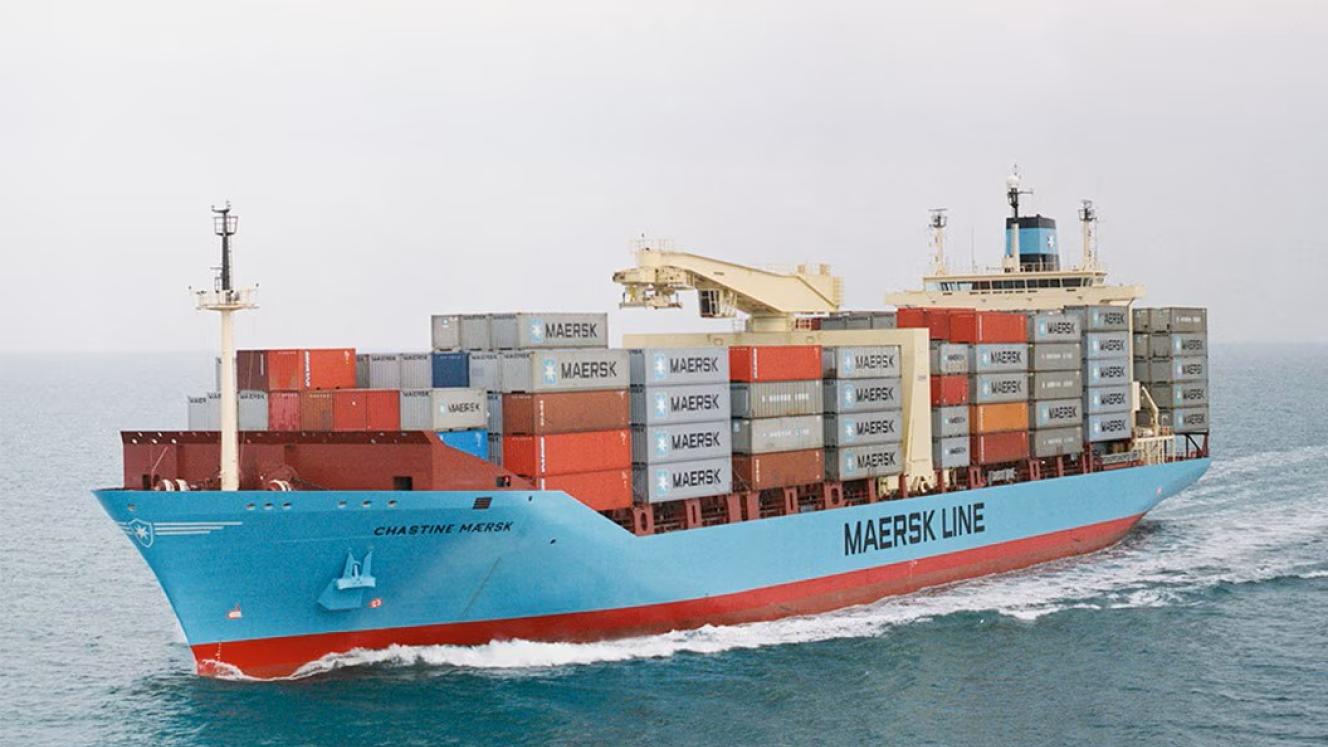
As exporters tune into the benefits of the weaker rand, analysts warn that currency weakness is only one part of a bigger equation. As Bradley Gaussen, export manager for Defy, said: “It (the rate) is a lot better than it’s been for a long time, but we’re still facing severe competition from China.” And to compete with them, he added, the exchange rate would have to be in the R10-to-R11 to the dollar range – a figure that has been tossed up by exporters for a few years now. But it would have a deleterious effect on the cost of capital plant imports as export manufacturers tooled up their assembly lines to meet the potential surge in exports. That would immediately have a big impact on our global price competitiveness and that is a problem. But taking this into account, said Gaussen: “In the longerterm a weaker rate would be beneficial.” Mervin Webb of the SA Shippers’ Council (SASC) commented: “It doesn’t matter what level it is, it must remain reasonably stable. You can’t make long-term plans if it’s volatile, and could change by as much as 40% in a year.” And that, whether you agree with them or not, might be partly what the Manufacturing Circle was aiming at when it called for a managed currency band in its recent submission to parliament. It said in its submission that the most suitable forex policy paradigm was a managed float with a range such as R8.20 to R8.60 to the US dollar. “The instability of the exchange rate means that planning around imports and exports without having to get involved in risky derivatives to hedge any major exchange rate changes becomes very difficult,” it added. “This range is indicative and over time needs revision, depending however on global and domestic structural developments.” However, analysts warned that trading in the rand to target a currency band would be costly and would not deliver the desired results over the long term. It was also suggested that the markets were bigger than the SA Reserve Bank (SARB) could take on. Highlighted was the previous dispensation when the SARB tried to stabilise the rand. It depleted the country’s reserves in trying to maintain the rand against the market. The Manufacturing Circle has in the past called for a weaker rand to make SA’s exports more competitive, and it was reported that Manufacturing Circle member Carel Wolhuter told SARB governor Gill Marcus at the recent monetary policy forum that some manufacturers were now picking up orders that they could not pick up five or six months ago – when the rand traded at around R7.50 to the dollar. It has since depreciated to more than R8.60. Marcus said she hoped that exports would pick up with the weaker rand, but added that it still depended on whether there was a market for exports. The Absa Quarterly Review said that the weaker rand exchange rate in 2012 compared with last year would support the country’s export earnings. But, it added, the weaker rand contributed to further price pressures in the economy, alongside rising food, energy and transport costs, driving inflation to higher levels. And the general economic forecast is that the weakening rand is likely to continue, if not even accelerate. “Looking forward, the sluggish nature of the world economy suggests that SA is going to struggle to significantly improve export performance. Additionally, SA import intensity is also likely to continue to rise, putting the rand exchange rate under strain and at risk of weakening.” So, whether or not a weak rand helps to boost exports, there are a number of other areas where the currency weakness has an extremely worrying impact.
Exporters mull impact of weaker rand
Comments | 0
© Now Media. This content is protected by copyright and may not be adapted or republished. If you would like to discuss cooperation opportunities, please contact: editor@freightnews.co.za.