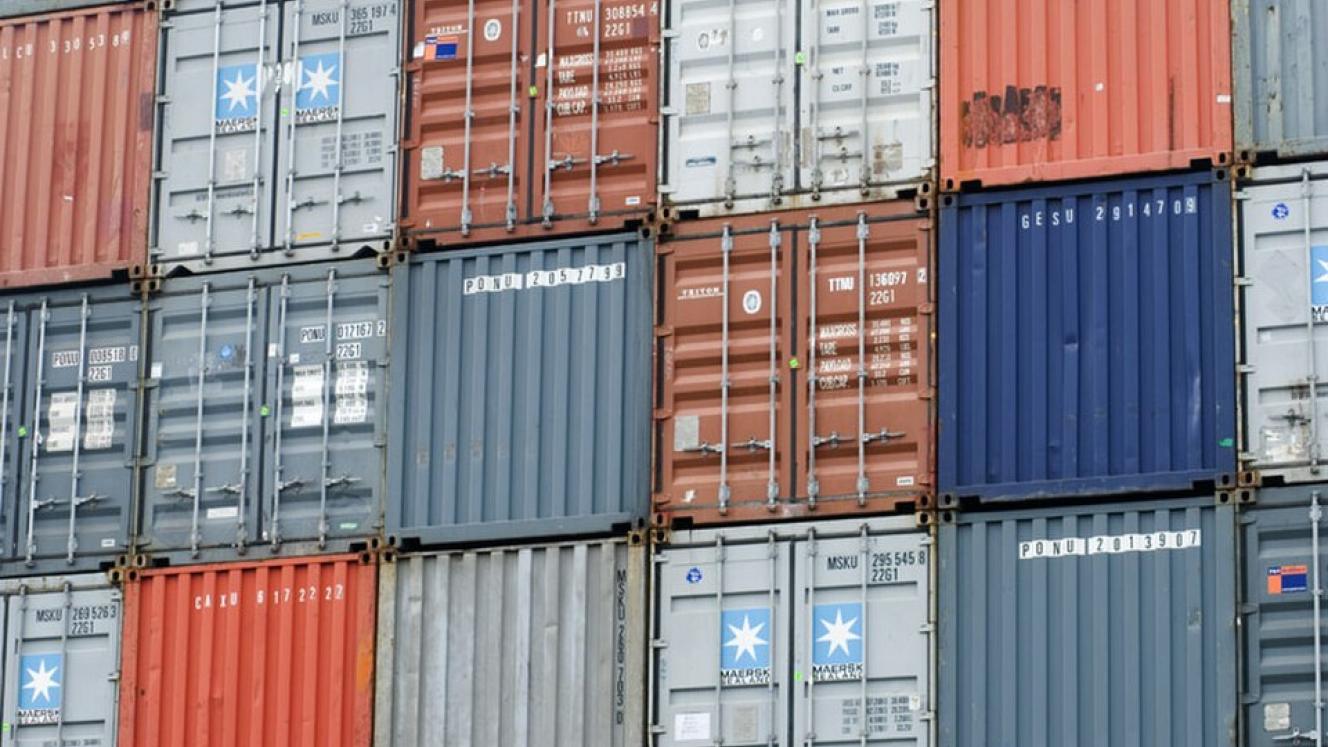
he high value and often complex nature of project cargoes vastly increases the need for risk management, according to Dave Oram of survey and claims investigation specialist, DS Oram & Associates. “A full-scale examination of cargoes as they land in South Africa or any of the other countries on the continent is a vital part of this risk management procedure,” he told FTW. With much of the cargo vital to a project, the importance of delivering it on time and in sound condition is crucial. Any damage or delay can see a project halted for months. “Employing specialists who can manage the risk can go a long way in transporting project cargo safely, on budget and on time,” says Oram who, with his father and business partner, has over 50 years’ experience in the marine survey and insurance industries. Offering the full spectrum of marine survey services, the company has been involved in several high-profile projects – not the least of which the Medupi and Kusile Power Station builds. In 2011 they were awarded the contract to undertake all marine surveys for the Moma Mineral Sands Expansion project in Northern Mozambique. “This was a particularly challenging project in terms of heavy lift cargo transfers. After manufacture, the components were loaded in Durban onto vessels for transfer to barges at anchor offshore. In turn the barges were taken in tow 26 miles south to be beached at the site,” said Oram. “The operations were often hindered by prevailing weather conditions and transferring items weighing some 95-110 tonnes and 60m in length onto a “moving target” (the barge) required steel nerves at times. We are very proud of the fact that there were no insurance claims despite these very challenging operating conditions.” In general terms – with project cargoes in particular – Oram points out that one of the challenges often faced relates to the packaging of items which, while heavy, are under 50 tonnes. “We have been faced on several occasions with items that are packed in cases constructed with wooden bases and side/ top cladding ie, the “traditional packing case”. However, the reliance on timber to provide sufficient support and strength for focused loading has on numerous occasions resulted in difficulties for stevedores at discharge ports where stows are tight on board vessels. It is very difficult to position lifting wires under the cases in tight stows which in turn leads to (sometimes structural) damage to cases as attempts are made to remove items from the stow. In our view, these types of items almost certainly have top lifting points which are utilised to lift the item onto the base of the case and later to lift off and into position on site,” he said. “From a risk management perspective, top-lifting represents a significantly reduced risk as the item is lifted with the case in effect following the item and merely doing its intended task of providing protection against the usual rigours of breakbulk handling. It is very difficult however to change mindsets on this point.” INSERT Employing specialists who can manage the risk can go along way in transporting project cargo safely, on budget and on time. – Dave Oram CAPTION A full-scale examination of cargoes as they land in South Africa or any of the other countries on the continent is a vital part of risk management procedure
‘Examine cargoes as they land!’
Comments | 0
© Now Media. This content is protected by copyright and may not be adapted or republished. If you would like to discuss cooperation opportunities, please contact: editor@freightnews.co.za.