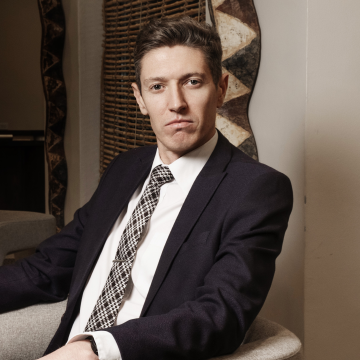
Long-serving Swaziland Railway CEO Gideon Mahlalela was arrested last Wednesday for defrauding government of R3 million and engaging in other illegal activities while helming the railway company prior to his retirement in 2012. Mahlalela, who also held the office of president of the Southern African Railway Association (Sara) for multiple terms, faces four charges of contravening Swaziland’s Anti-Corruption Act Police and Anti-Corruption Unit officials apprehended Mahlalela at his Mbabane home. The first and most serious of the charges against him states that “as chief executive officer of the Swaziland Railway he did unlawfully through his fraudulent conduct divert money from the public revenue in the form of discounts to himself and others thus depriving the Swaziland government of money to which it is entitled in the amount of R2 976 800.” According to the Swazi media, Mahlalela approved the sale of houses, built at government expense for railway staff, at greatly reduced prices to the company senior staff. He reportedly purchased one house himself. Relating to another count against him, the Swazi media quoted an unnamed source who said Mahlalela purchased property along the right of way of the new rail line to be built by Swaziland Railway in partnership with Transnet Freight Rail. Mahlalela was a key player in the years-long negotiations for the rail line that will allow non-stop rail traffic from Gauteng to Maputo via Swaziland when the line is opened in 2017. Counts three and four of his indictment relate to the first charge and accuse Mahlalela of betraying his position to “give himself and others advantage for the benefit of themselves that amounted to an illegal, dishonest and unauthorised and biased act that amounted to the abuse of a position of authority, breach of trust and violation of legal duty.” Mahlalela served on the boards of private corporations like African Alliance, and count two of his indictment accuses him of using insider’s knowledge to influence decisions made by those boards, while withholding information of conflict of interests and the personal benefits he stood to gain.
Ex-Swazi Rail CEO faces R3m fraud charges
Comments | 0
© Now Media. This content is protected by copyright and may not be adapted or republished. If you would like to discuss cooperation opportunities, please contact: editor@freightnews.co.za.