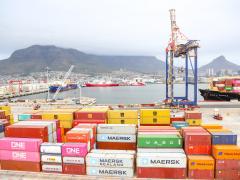
BRITISH CUSTOMS recently seized 4 270 cases of South African ready-to-drink Smirnoff Ice which had been exported to the UK illegally without the permission of the manufacturers and which had contravened international regulations. "It was done without our knowledge or consent," says Tshidi Seane, external affairs director of Guinness UDV in Cape Town. "We manufacture the product under licence here with a strict regulation that it is sold domestically. We are not allowed to export outside the South African Common Customs Union, and this was done in this instance by outsiders." The packaging of the cases sent to the UK also did not comply with European Union labelling regulations, a factor which drew the attention of the British authorities in the first place and which led to the nature of the contents. The outcome is a warning to would-be exporters of goods from this country hoping to cash in on the rand-pound exchange rate, but who either fail to comply with EU regulations or attempt to export items which are on the banned list, says Seane. He said a landmark ruling was handed down by the European Court of Justice in Luxembourg last week in favour of Levi Strauss. The international company was given the right to lock out imports of cut-price jeans which were placed on the market by manufacturers outside the EEA. The court decision was a huge setback to British supermarket group Tesco which had been importing them and selling them at cut-rate prices. "The ruling shows how seriously this type of piracy is being dealt with, and supports the stance that Guiness UDV has adopted in objecting to and taking action to prevent exports of South African manufactured Smirnoff Ice to the EEA," he says.
EU sends out strong message to illegal exporters
Comments | 0
© Now Media. This content is protected by copyright and may not be adapted or republished. If you would like to discuss cooperation opportunities, please contact: editor@freightnews.co.za.