Transport operators with unpaid Gauteng e-toll debt are set to have their historical liabilities cleared, but fleets that paid their accounts will not be refunded.
Cabinet has approved the write-off of almost R29 billion in outstanding Gauteng Freeway Improvement Project (GFIP) debt, clearing the way for the South African National Roads Agency (SANRAL) to close out historical e-toll debt and resolve outstanding litigation matters.
The decision, confirmed by the National Department of Transport, also means road users who paid toll fees will not receive refunds because, it says, the system was lawful at the time.
“Cabinet noted the recommendations by SANRAL to write off debt owed by road users who did not pay, and that National Treasury would service this debt, and that the road users who paid toll fees would not be refunded because this was the law at the time,” Minister in the Presidency, Khumbudzo Ntshavheni, said on Friday.
The decision removes the threat of legal action over historical e-toll debt but has created a fairness problem for operators that complied with the law. “Road users who lawfully paid e-tolls while the system was legally in force will not be refunded. That means those who refused to pay performed illegal acts. No punishment for them – but punishment for those who comply,” says Road Freight Association (RFA) CEO Gavin Kelly.
The outcome raises questions about future user-pay models for road funding. “Recently, the Minister of Transport noted that ‘widespread tolling may become necessary to maintain South Africa’s road network’ as SANRAL was given responsibility for more than 13 000 km of roads due to the inability of provincial and local authorities to maintain, develop or repair the existing network of roads,” Kelly says.
Kelly said compliant road users could still end up paying twice – first through e-tolls and again through other levies or taxes used to settle the remaining debt. “Those who abided by the law and paid e-tolls will inevitably ‘pay a second time’ through other levies and taxes,” he says.
Transport Minister Barbara Creecy and Deputy Minister Mkhuleko Hlengwa said in a statement that the move would bring much-needed relief and “lessen the financial burden on road users who are currently hard-pressed by high fuel costs due to geopolitical matters that are currently unfolding”.
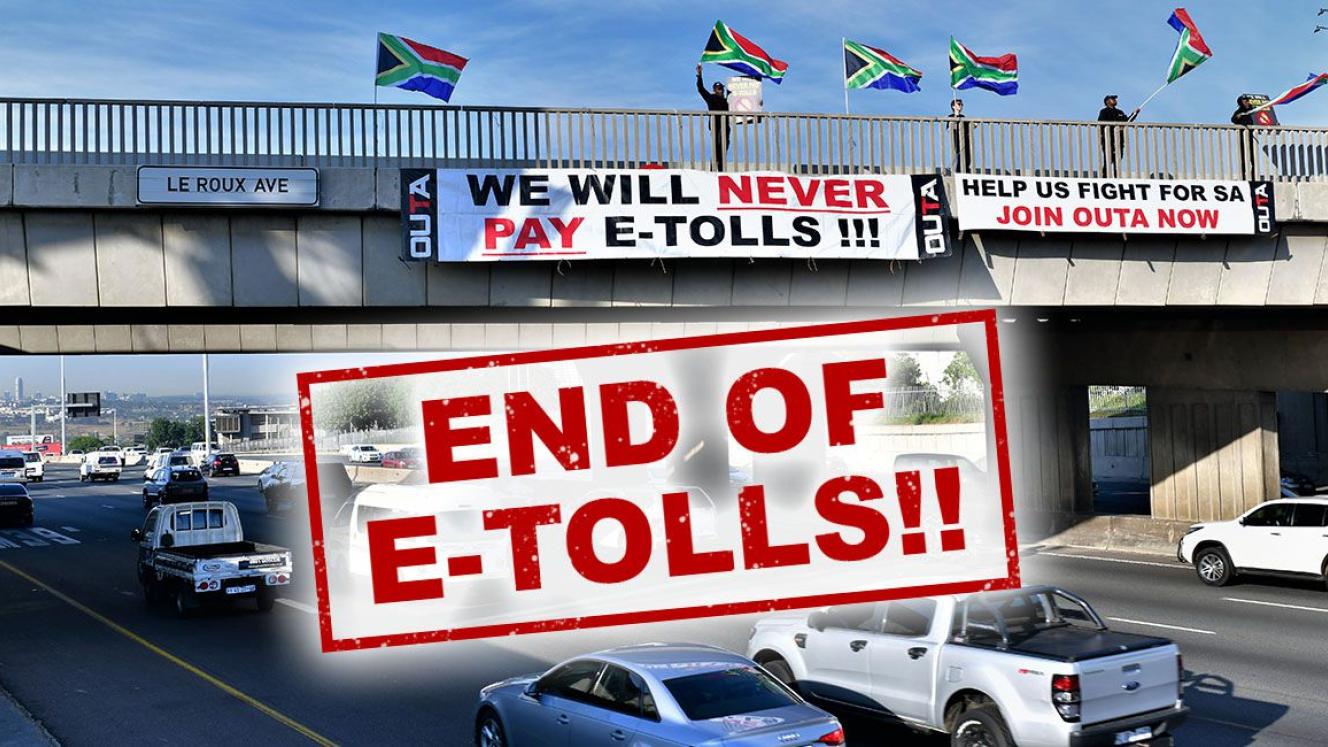
Meanwhile, The Organisation Undoing Tax Abuse (OUTA) has welcomed Cabinet’s decision to write off the e-toll debt. “Government switched off the gantries in 2024 but left the debt question hanging over motorists for another two years,” said OUTA CEO Wayne Duvenage. “This latest decision finally acknowledges what had become obvious long ago. The debt was not recoverable, and prolonging the uncertainty served no useful purpose.”
The decision paves the way for outstanding litigation to be settled and brought to finality, he said. “For many motorists who received summonses and have been waiting years for certainty, this announcement will come as a welcome relief.”