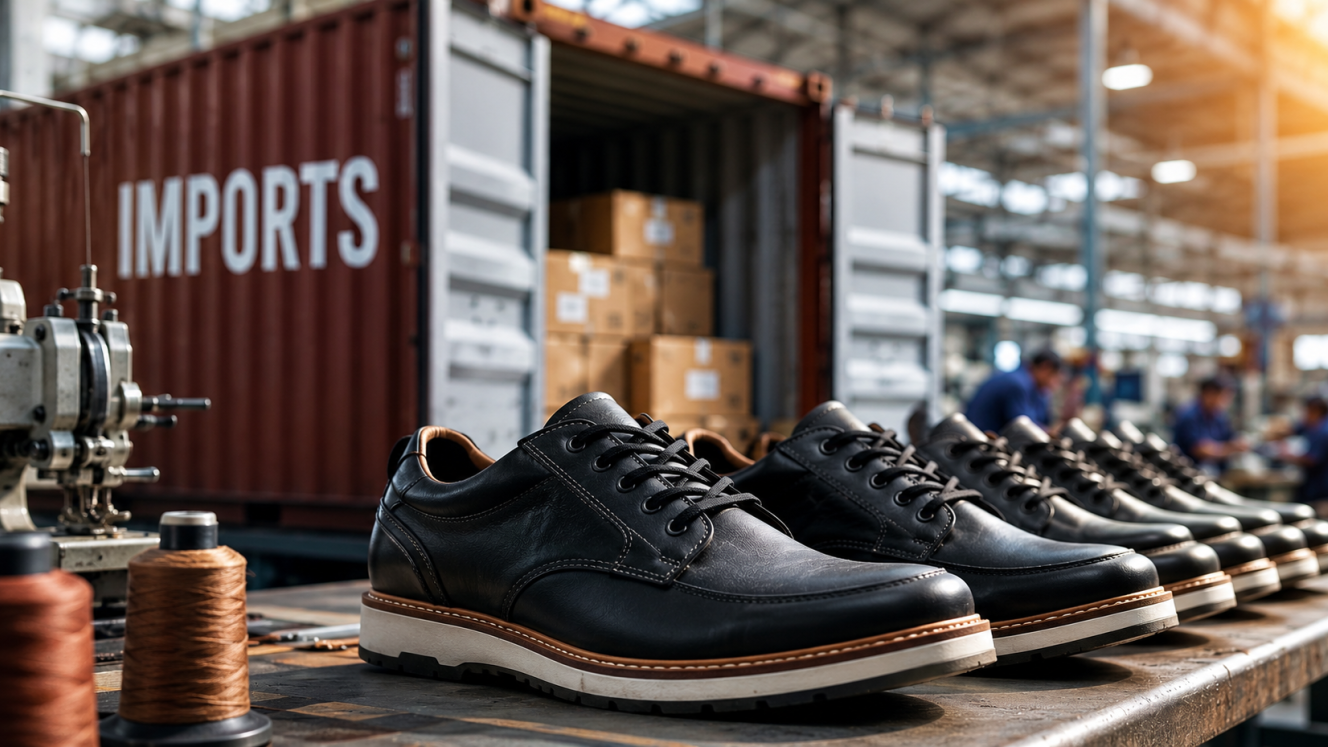
South Africa's footwear manufacturers say under-invoiced and counterfeit imports are undermining local production, as the country imports about 75% of the shoes it consumes.
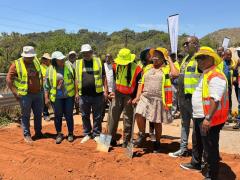
The industry raised the concerns at the Footwear Retail Buyer Showcase in Durban on Wednesday, hosted by the Department of Trade, Industry and Competition in partnership with the South African Footwear and Leather Industries Association (Saflia) and the South African Footwear and Leather Export Council. Funded by the International Labour Organization, the showcase forms part of the South African Retail-Clothing, Textile, Footwear and Leather Master Plan 2030.
The decline in production had been accompanied by a sharp drop in employment, with the sector's workforce shrinking to about 7 400 people – down by an estimated 4 000 to 5 000 jobs since 2015, said Saflia chairperson, Noel Whitehead.
Whitehead attributed the decline to changing consumer trends, retailers sourcing more products from overseas and the growing impact of illegal imports.
Import fraud under scrutiny
"It is a combination of things. It is retailers importing more to the detriment of local manufacturing. They will tell the manufacturers, 'we are not price competitive' sometimes," he said.
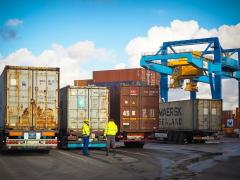
Counterfeit goods and customs evasion through under-invoicing had compounded the problem, he said. Although footwear attracts a 30% import duty, customs officials often lacked the technical product knowledge to accurately assess the value of imported products.
Importers "quite regularly" declared shoes worth about R500 a pair at only R100, paying duty on the lower declared value because customs officials were not always able to distinguish between products of differing quality and value, Whitehead said. Saflia currently employs an expert to train customs officials to help detect under-invoicing and improve product valuation.
Manufacturers seek stronger retail support
Increasing reliance on imports had cost local factories significant business, manufacturers at the showcase said.
Voden of Durban-based Hopewell Footwear said retailers needed to work more closely with domestic manufacturers instead of defaulting to imported products.
"I think retail needs to work a bit closer (with local manufacturers), there's always excuses why they can't work local. We are a bit more expensive, but we pay our correct wages and our labour compared to other countries. It's a bit of a catch-22 situation," said Voden.
Jackie Hay of Gqeberha-based Fast Fox said her company had lost about half of its shoe orders as retailers shifted sourcing to China.
"We used to employ over 400 workers, we now employ 172."
The company had previously exported to Marks & Spencer in the United Kingdom, but orders had dried up after the Covid-19 pandemic, she said. However, it planned to begin exporting to Germany in the coming months.
South Africa consumes about 250 million pairs of shoes annually, with imports accounting for roughly 75% of demand. Local production has fallen from about 50 million pairs before the Covid-19 pandemic to about 42 million pairs a year, according to Saflia.
Greater support from retailers was needed to rebuild local manufacturing capacity, said Tavonga Gonyora, executive director of sales and marketing at Dick Whittington Shoes in Pietermaritzburg.
"We are signatories of the master plan, and we have been trying to get audience with the local retailers as part of the Support Local initiative in the hope that we can bring South African jobs back home.
"Over the years, through imports of products, we've exported so many jobs, and at this event we hope we can get the buy-in and the support from retail."