Clearing and forwarding agents have been urged to thoroughly familiarise themselves with the road transport specifications in respect of new regulations for the Reporting of Conveyances and Goods (RCG) that came into play on January 25. According to Beyers Theron, acting chief officer for Customs & Excise at the SA Revenue Service (Sars), the recent rollout of RCG’s 2nd phase is specifically aimed at ruling out any ambiguities related to the part-shipment of over-border goods. “When a consignment of goods is carried across a land border post on more than one truck as a result of considerations relating to size, weight and volume, transporters will have to clearly note such shipments through RCG’s electronic Road Freight Manifest (e-RFM) system,” he said. Through the use of its web-based “Customs Status Indicator”, transporters will have to specify, for example, how part shipments are split up by stating which sections of a consignment will be followed by a final shipment. That way one manifest can be issued for a shipment that is freighted piecemeal. However, Theron urged transporters to make sure that they complied with the
proverbial letter of the law of RCG. “It is very important that road carriers report correctly in order to distinguish normal or full cargo movements from part shipments due to the manner in which part shipments will be administered.” Where a broken up consignment has been released from a temporary storage facility, the general expectation is for glitch-free transit. “Individual trucks carrying the goods in part shipment will be processed at the border as and when they arrive where electronic arrival and exit messages will be generated for the exporter or clearing agent and the road carriers.” In as much as clearing up any ambiguity about part- and complete shipments is concerned, Theron warned that “where
a consignment of goods to be imported or exported is carried to the border under a ‘proceed to border’ status, the trucks carrying the goods in part shipment are required to be presented together at the same border post for arrival processing”. This is because the release status of a consignment is only communicated upon arrival of the full load of goods. “Each truck will then be individually and electronically processed and in cases where all the trucks are not presented together for arrival processing, the trucks will not be permitted to enter the customs area. “The implementation of the RCG automated part shipment management functionality went smoothly with more than 97% of cargo reporters submitting e-RFMs,” he said. Eschewing earlier tough talk that RCG defaulters would face penalties of R5000 per shipment, Theron added: “Sars has embarked on a process of direct engagement with individual noncompliant reporters in its bid to push multimodal compliance to at least 90%.”
CAPTION:
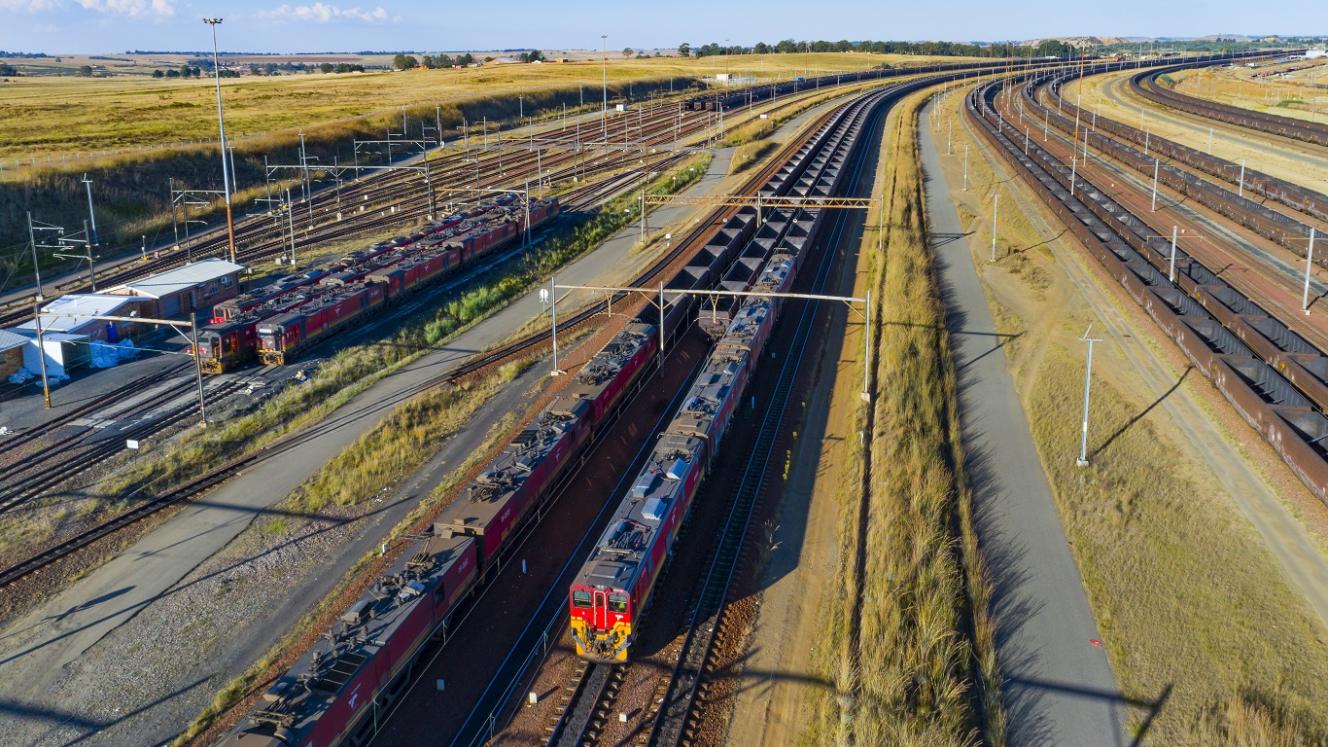
Sars has embarked on a process of direct engagement with individual noncompliant reporters. – Beyers Theron